
Lighting does much more than make a room bright. The right fixtures can highlight architectural details, make everyday tasks easier, create a welcoming atmosphere, and bring a room’s furniture and decor together. A poorly chosen fixture, on the other hand, can leave a space feeling gloomy, overly bright, or visually unbalanced.
There are many types of lighting fixtures available for modern homes. Some provide general illumination, others direct light toward a specific task, and some add decorative emphasis. Understanding these differences makes it easier to choose fixtures that look good and work well in your space.
This guide explores 20 popular types of lighting fixtures, where each one works best, and what to consider before choosing it. Whether you are updating a bedroom, improving kitchen lighting, or refreshing your entryway, you can use these ideas to build a more comfortable and functional lighting plan.
Understanding the Three Main Layers of Home Lighting
Before choosing individual fixtures, it helps to understand the three main jobs lighting performs. A well-planned room often combines more than one layer instead of relying on a single bright ceiling light.
Ambient lighting provides the room’s general illumination. Ceiling fixtures, chandeliers, recessed lights, and some wall lights can all contribute to this layer. It helps people move around comfortably and establishes the overall brightness of the space.
Task lighting illuminates a particular activity. Examples include a desk lamp for reading, under-cabinet lights for food preparation, and vanity lights for grooming. The goal is to put useful light where it is needed without creating unnecessary glare or shadows.
Accent lighting draws attention to a feature. Picture lights, spotlights, and some wall sconces can highlight artwork, shelving, architectural details, or decorative objects.
A room does not necessarily need three separate fixtures for these layers. One fixture may serve more than one purpose, but combining different sources usually gives you more control over the atmosphere and function of a space.
Pendant Lights for Focused and Stylish Illumination
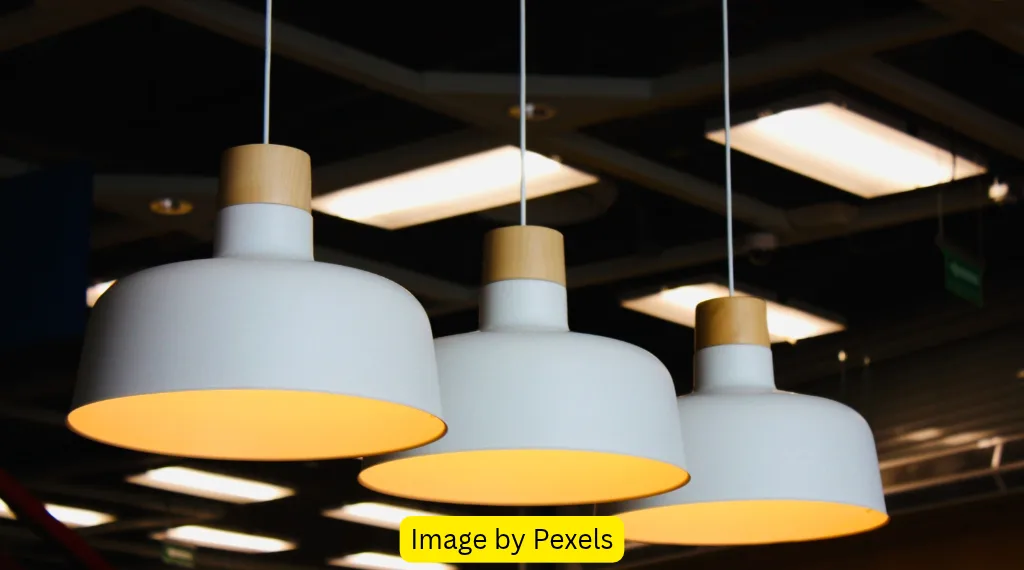
Pendant lights hang from the ceiling using a cord, chain, or rod. Their suspended design makes them useful for directing light toward a particular area while adding a decorative feature overhead.
They are especially popular above kitchen islands, dining tables, breakfast bars, and bedside tables. A single pendant can create a focal point in a small area, while a coordinated group can provide more balanced coverage across a longer surface.
Pendant lights are available in glass, metal, ceramic, fabric, and other materials. Clear glass can create a light, open appearance, while opaque shades can help direct light downward. When selecting a pendant, consider the size of the surface below it, the ceiling height, the shade’s light distribution, and whether the fixture will obstruct sightlines.
For a kitchen island, measure the available length before deciding how many pendants to install. Keep the arrangement visually balanced and make sure the fixtures do not interfere with normal movement or views across the kitchen.
Chandeliers That Create a Decorative Focal Point
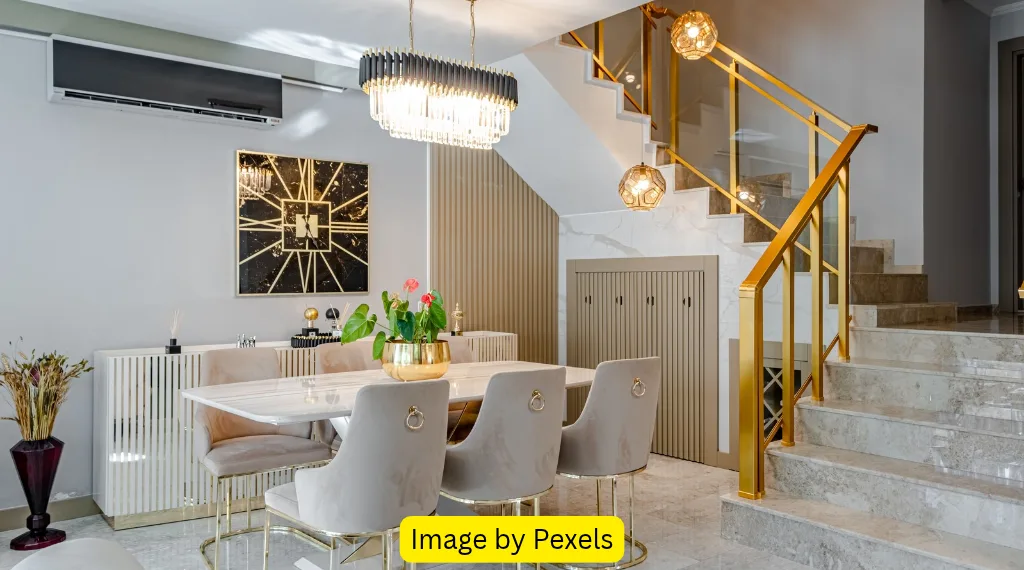
Chandeliers are suspended ceiling fixtures with multiple light sources or decorative arms. They are often used to create a focal point in dining rooms, entryways, living rooms, and bedrooms.
Traditional crystal chandeliers can bring a formal look to a room, while modern versions may use simple geometric shapes, wood, metal, or sculptural designs. The best choice depends on the room’s proportions and existing decor rather than the fixture’s appearance alone.
A chandelier should suit the scale of the room and the height of the ceiling. An oversized fixture can overwhelm a small dining area, while a very small chandelier may look lost in a large room. Check the manufacturer’s installation and clearance guidance, particularly above dining tables and in walkways.
Chandeliers are not limited to formal interiors. A simple contemporary design can work in a relaxed living room or bedroom when its finish and proportions complement the surrounding furniture.
Flush-Mount Ceiling Lights for Low Ceilings
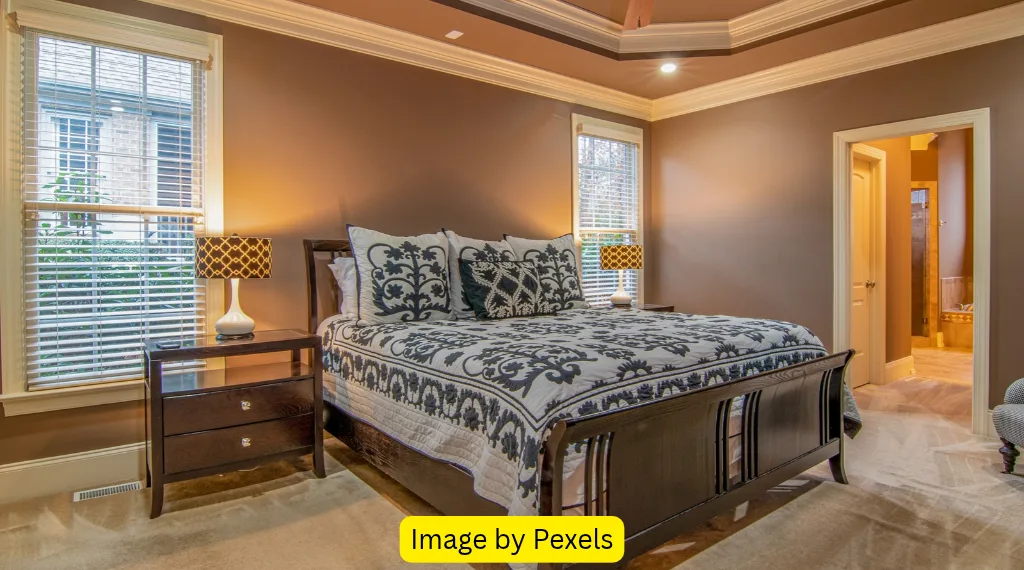
Flush-mount lights sit close to the ceiling, making them a practical choice for rooms where a hanging fixture would take up too much visual or physical space.
They are commonly used in hallways, bedrooms, closets, laundry rooms, kitchens, and other areas with standard or lower ceilings. Their compact profile can help maintain an uncluttered appearance while providing general illumination.
Design options range from simple frosted-glass domes to decorative metal fixtures and integrated LED designs. A diffuser can soften the light and reduce the appearance of exposed bulbs.
When choosing a flush-mount fixture, look at its light output, coverage, dimensions, and ease of maintenance. A decorative fixture is only useful if it provides enough illumination for the room. For larger spaces, more than one ceiling fixture or a combination of lighting layers may be necessary.
Semi-Flush-Mount Lights for a Little More Detail
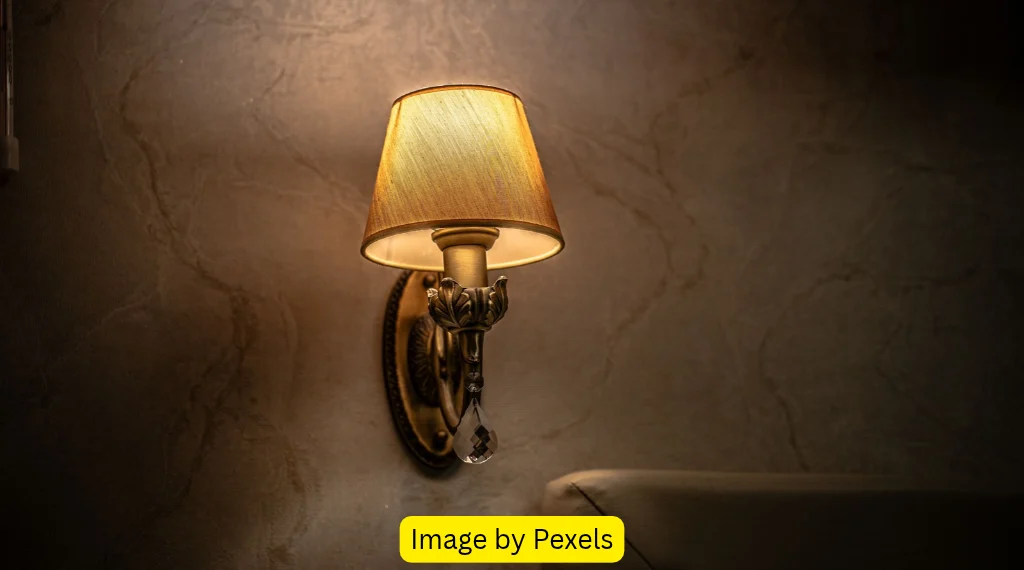
Semi-flush-mount lights are attached to the ceiling but hang slightly below it. This creates more visible space between the fixture and the ceiling than a traditional flush mount, giving the design a more decorative appearance.
They can work well in bedrooms, dining areas, hallways, and living rooms where a full chandelier might feel too large or hang too low. Some designs use a central glass shade, while others feature decorative arms or multiple bulbs.
The small gap between the ceiling and fixture can affect how light spreads around the room. Some models direct most of their light downward, while others allow light to reflect upward as well.
Before buying one, compare its overall height with your ceiling height and the room’s furniture layout. A semi-flush fixture should add visual interest without making the ceiling feel crowded.
Recessed Lights for a Clean, Minimalist Ceiling
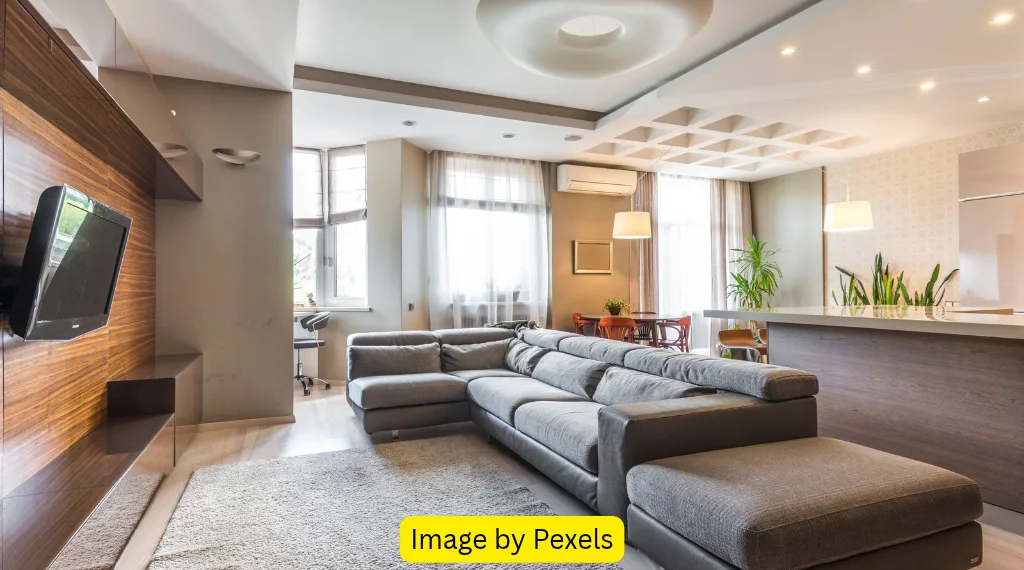
Recessed lights are installed into a ceiling so that much of the fixture sits above the visible surface. They are often chosen for contemporary interiors because they provide illumination without a prominent hanging or surface-mounted design.
They can be used in kitchens, bathrooms, living rooms, hallways, and home offices. Depending on the product and layout, recessed lights may provide general illumination, highlight a particular area, or support task lighting.
Spacing and beam direction matter. A row of recessed lights placed without considering the room’s layout can create uneven brightness or unwanted shadows. The correct arrangement depends on ceiling height, beam angle, fixture output, and the areas that need illumination.
Recessed lighting also requires attention to the ceiling construction and the fixture’s compatibility with insulation and other building conditions. Check the product’s installation requirements and use a qualified electrician when the work involves new wiring or changes to electrical circuits.
Track Lighting for Adjustable Illumination
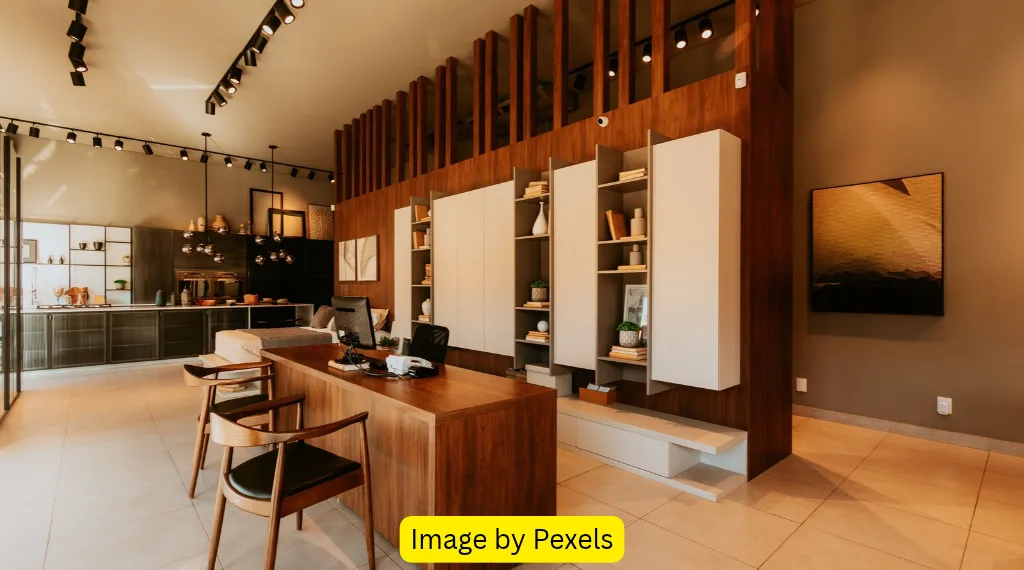
Track lighting uses multiple light heads attached to a shared track. Each head can often be repositioned or angled, making the system useful when you want to direct light toward different parts of a room.
It is a popular option for kitchens, home offices, galleries, and living spaces with artwork or display shelves. Instead of relying on one fixed beam, you can aim individual heads toward a countertop, reading area, or decorative feature.
Track systems come in different shapes and finishes, from simple straight tracks to more flexible arrangements. Some use traditional-style heads, while others have compact contemporary designs.
Think about what you want to illuminate before choosing the track layout. Adjustable heads are useful, but they should not be aimed directly into people’s eyes or positioned in a way that creates distracting glare. Check whether the selected track and heads are compatible with one another.
Wall Sconces for Comfortable Side Lighting
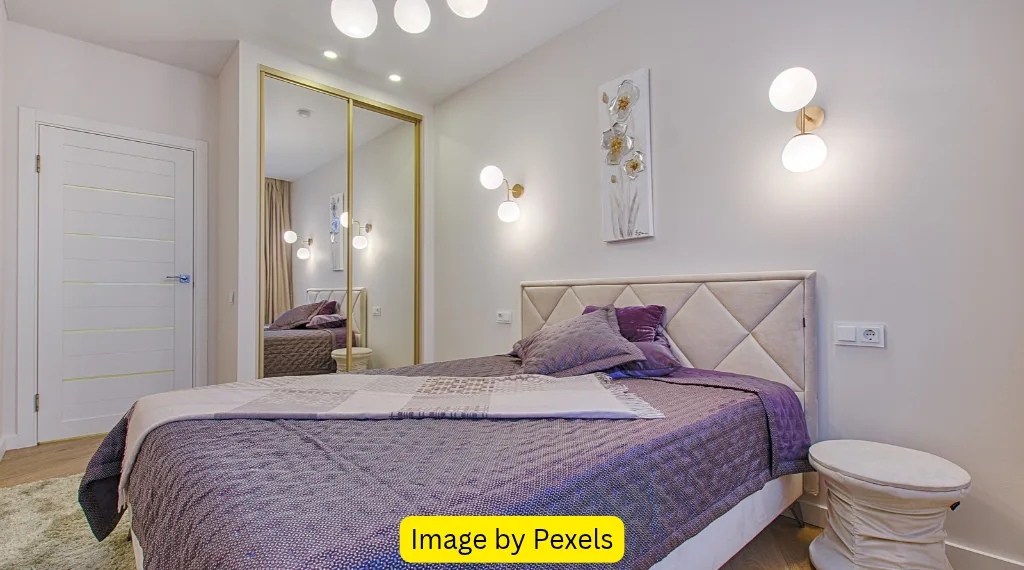
Wall sconces are fixtures mounted directly to a wall. They can provide ambient, task, or accent lighting depending on their design and placement.
They are useful beside beds, around bathroom mirrors, along hallways, and near living room seating. Because they do not occupy floor or table space, they can be particularly helpful in smaller rooms.
Some sconces direct light upward, creating a soft glow on the wall. Others shine downward or use shades that spread light in several directions. Adjustable-arm sconces can also provide practical reading light beside a bed or chair.
Consider the height and position of the fixture before installation. A sconce placed too high or too low may not provide useful illumination, and exposed bulbs can create glare when viewed from a nearby seat. If you are installing hardwired sconces, have the electrical work completed safely and in accordance with local requirements.
Floor Lamps for Flexible Room Lighting
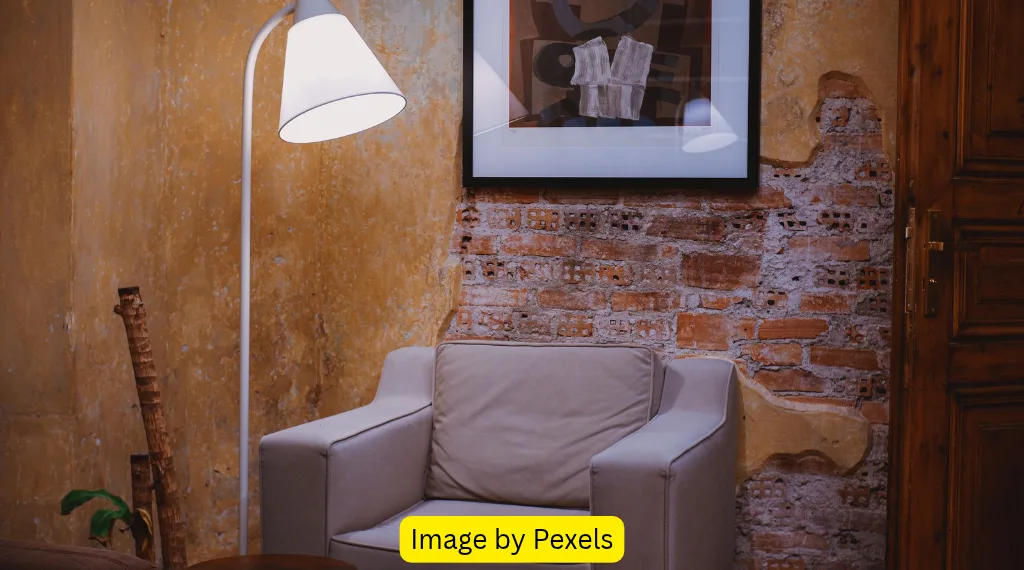
Floor lamps are freestanding fixtures that can be moved around without being permanently attached to the ceiling or wall. They are useful when a room needs additional light but you do not want to make electrical changes.
A floor lamp beside a sofa can provide reading light, while a model with an upward-facing shade can add a softer glow to a darker corner. Arc floor lamps extend over seating or tables, and tripod designs add a noticeable decorative element.
The shade and bulb determine how the light is distributed. A downward-facing shade is generally more useful for focused illumination, while an upward-facing design can brighten the ceiling and contribute to ambient lighting.
Check the lamp’s height, base stability, cord placement, and available floor space. Avoid placing cords across busy walkways, and choose a fixture that will not easily tip over in a frequently used area.
Table Lamps for Bedrooms, Living Rooms, and Offices
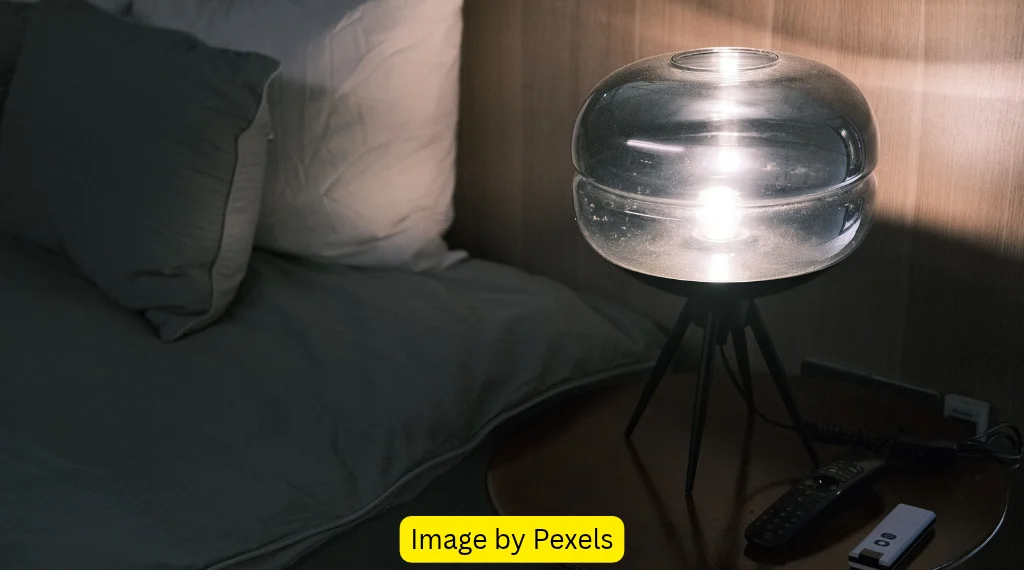
Table lamps provide convenient lighting on desks, bedside tables, consoles, and side tables. They are easy to reposition and can add a decorative accent without requiring permanent installation.
A bedside table lamp can support reading and create a softer atmosphere than a bright overhead light. On a desk, a suitable task lamp can direct light toward paperwork or a work surface. In a living room, a lamp on a side table can help balance the light coming from ceiling fixtures.
The lamp’s size should suit the furniture it sits on. A shade that is too wide may crowd a small bedside table, while a very short lamp may not provide useful light from a desk or reading chair.
Look for a stable base, a shade that controls glare, and a bulb compatible with the fixture’s maximum wattage or specified LED requirements. Dimmable models can offer additional flexibility when used with compatible bulbs and controls.
Desk Lamps for Focused Task Lighting
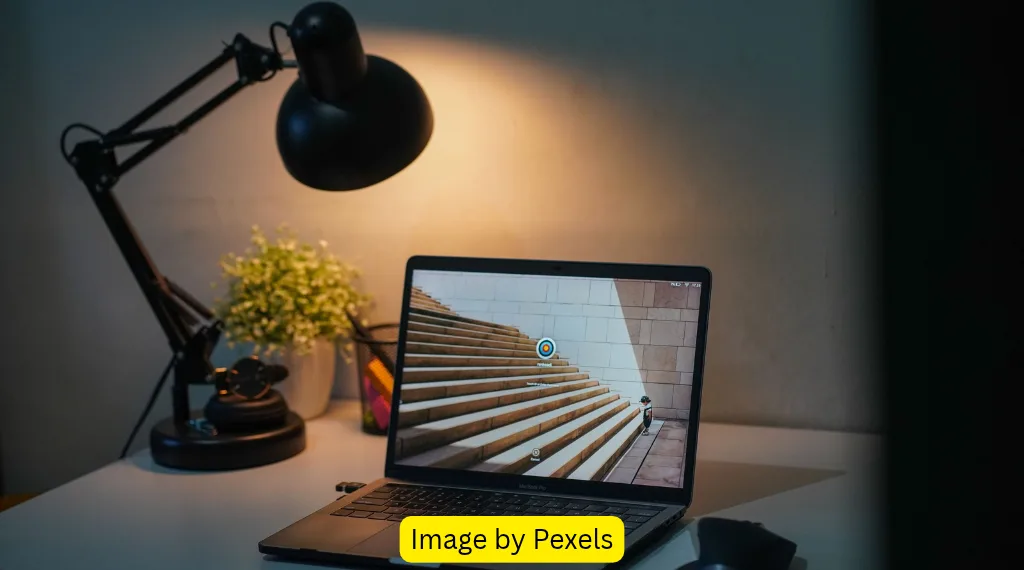
Desk lamps are designed to illuminate a work surface. They are useful in home offices, study areas, bedrooms, and craft spaces where general room lighting may not be enough.
Many desk lamps have adjustable arms or heads, allowing you to direct the beam toward a keyboard, notebook, or project. Some compact models use a fixed shade, while others include dimming or adjustable color settings.
Position the lamp so that your hand or body does not cast a distracting shadow over the work area. If you are right-handed, placing the light on the left side may help reduce shadows from your writing hand; left-handed users may prefer the opposite arrangement.
A desk lamp should complement rather than replace the room’s general lighting. A very bright isolated beam in an otherwise dark room can create an uncomfortable contrast, so consider the surrounding light as well.
Under-Cabinet Lights for Kitchen Workspaces
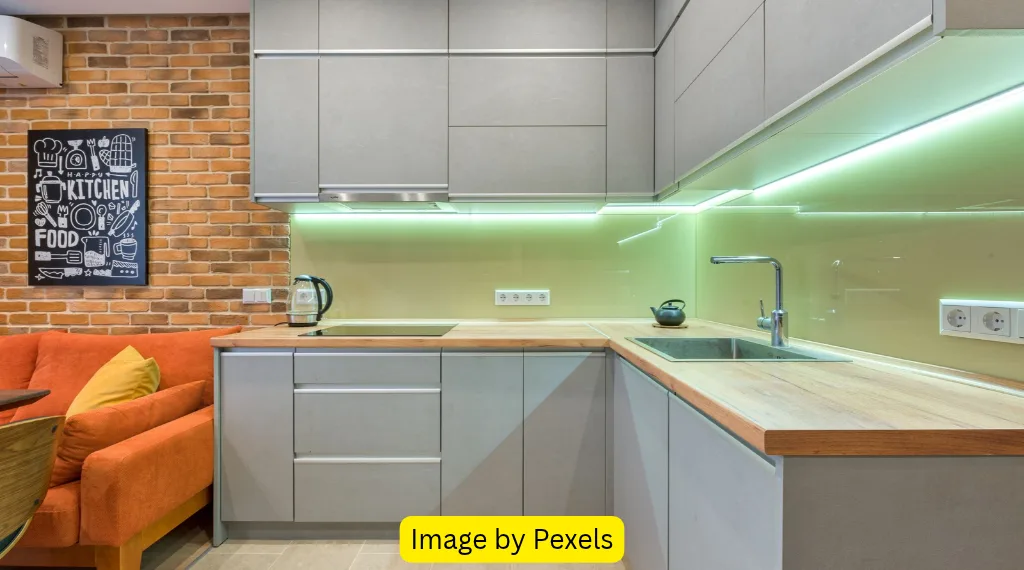
Under-cabinet lights are installed beneath kitchen cabinets to illuminate countertops. They are particularly useful because overhead ceiling lights can leave shadows where the cabinets block the light.
Common options include LED strips, slim linear fixtures, and puck lights. LED strips can create a continuous line of illumination, while puck lights produce separate pools of light. The best option depends on the cabinet design, countertop length, and preferred appearance.
For a practical kitchen setup, choose a fixture that provides even illumination across the areas where you prepare food. Consider the color appearance of the light, the visibility of the fixture itself, and how the wiring or power connection will be managed.
Under-cabinet lighting can also be used in display cabinets, bookshelves, and other built-in storage. Make sure the selected product is suitable for its installation environment and follow the manufacturer’s instructions.
Image placement: LED under-cabinet lighting illuminating a kitchen countertop.
Suggested filename: under-cabinet-lights-kitchen-workspaces.webp
Alt text: Under-cabinet LED lights illuminating a kitchen countertop.
Picture Lights for Artwork and Wall Decor
Picture lights are designed to illuminate artwork, framed photographs, and other wall displays. They are commonly installed above a picture or integrated into a display arrangement.
A picture light can make a piece of art more noticeable and help create a gallery-inspired look at home. Some fixtures are mounted directly to the wall, while others attach to the frame or use a plug-in power source.
The main consideration is how the light interacts with the artwork. A fixture that is too bright or poorly positioned may create glare, especially on glass-covered frames. Adjustable designs make it easier to direct the beam, but the light should still be selected with the artwork’s materials and finish in mind.
Picture lights work well in living rooms, hallways, dining rooms, and home offices. They can also be used to highlight a collection of framed prints or a carefully arranged gallery wall.
Spotlight Fixtures for Highlighting Specific Features
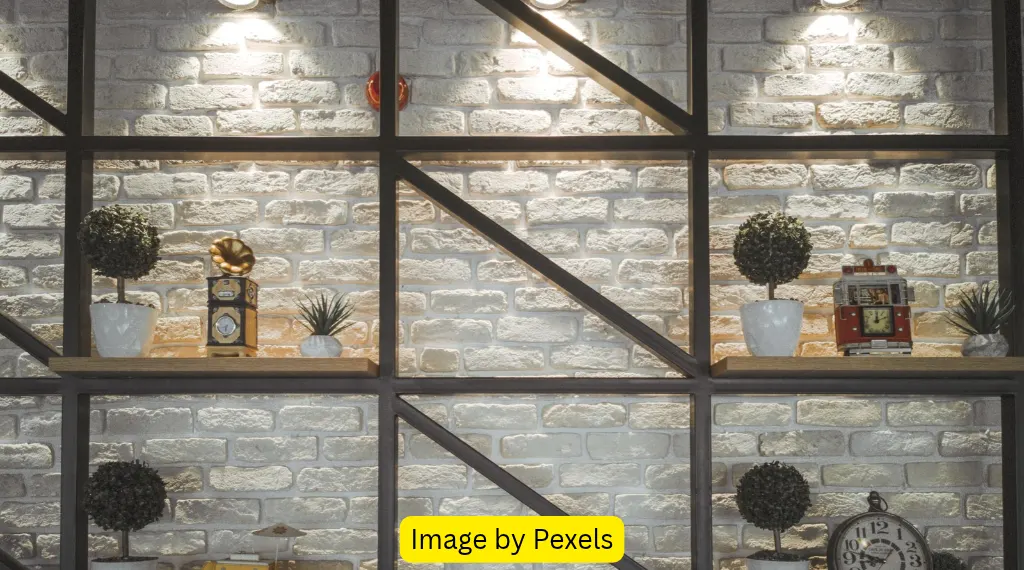
Spotlights produce a focused beam that can be directed toward a particular object or area. They are useful for highlighting sculptures, decorative shelving, architectural details, and artwork.
Unlike broad general lighting, spotlights are intended to draw attention to selected features. They may be installed in ceilings, on tracks, or as adjustable surface-mounted fixtures.
The beam angle affects how concentrated or spread out the light appears. A narrow beam creates a more defined highlight, while a wider beam covers a larger area. Consider the distance between the fixture and the object, as well as the brightness and direction of the beam.
Spotlights can be effective in modern interiors, but too many can make a room feel visually busy. Use them selectively and combine them with softer ambient lighting for a more balanced result.
Image placement: Adjustable spotlights highlighting a decorative wall or display shelf.
Suggested filename: spotlight-fixtures-highlight-features.webp
Alt text: Adjustable spotlight fixtures highlighting decorative objects on shelves.
Wall-Wash Lighting for Evenly Illuminated Walls
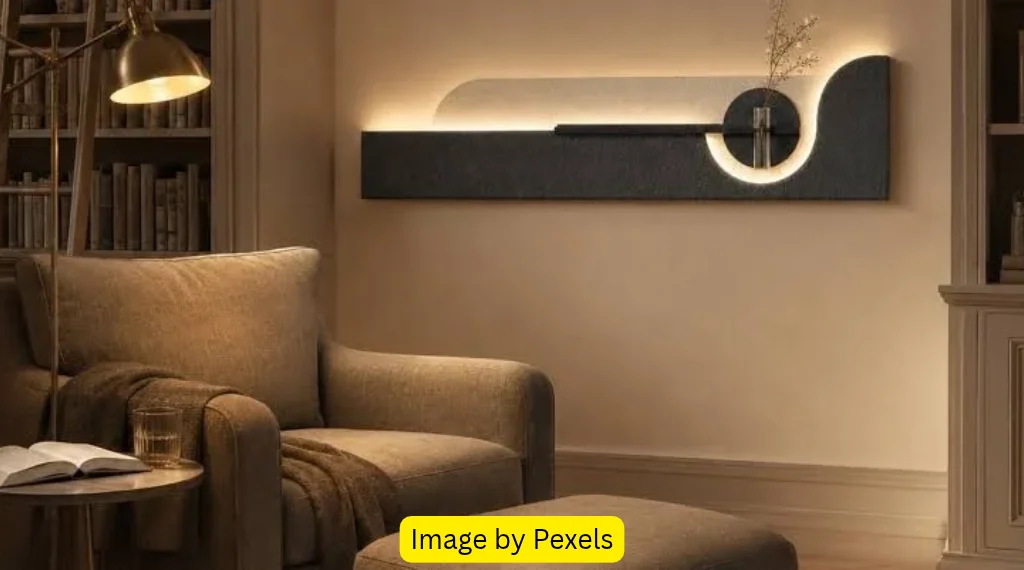
Wall-wash lighting is designed to spread light across a wall rather than create a small, concentrated pool of brightness. It can make a feature wall, textured surface, or large artwork stand out.
Depending on the design, wall-wash lighting may use recessed ceiling fixtures, track-mounted lights, or specialized linear systems. The fixture’s position and optics determine how evenly the light reaches the surface.
This approach can be useful in living rooms, hallways, galleries, and rooms with decorative wall finishes. It can also make a space feel more visually open by reducing the appearance of dark wall areas.
The distance from the wall is important. If the light is positioned incorrectly, the wall may show uneven bright patches or unwanted shadows. Follow the fixture manufacturer’s spacing recommendations, particularly for specialized wall-wash products.
Cove Lighting for Soft Indirect Illumination
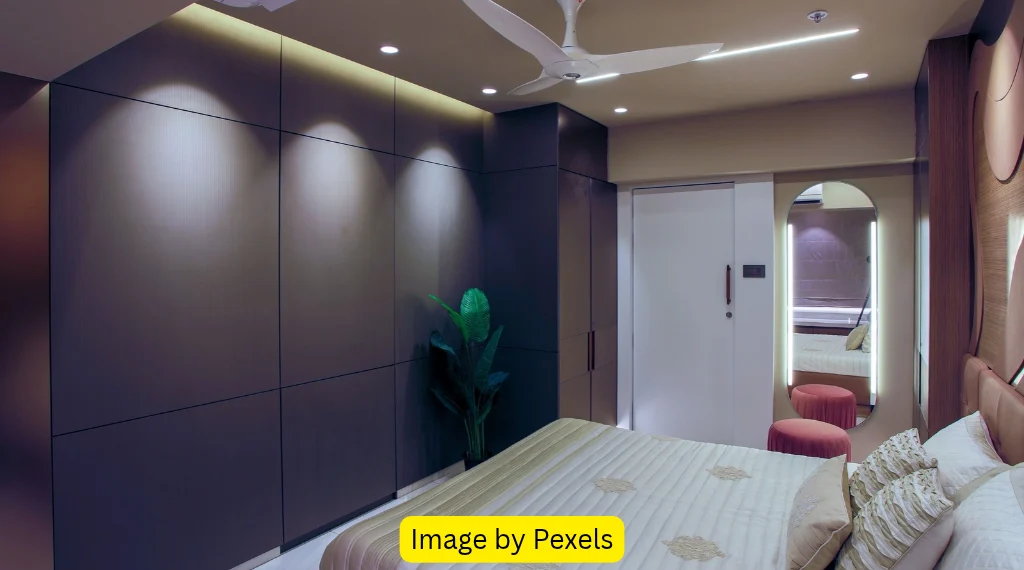
Cove lighting hides the light source within a recessed ceiling detail, ledge, or architectural feature. The light is directed toward a surface, often the ceiling, and reflected back into the room.
This indirect approach can create a softer atmosphere than a directly exposed bulb. It is often used in living rooms, bedrooms, dining rooms, and spaces with decorative ceiling details.
LED strips are frequently used for cove installations because they can fit into narrow spaces and provide continuous illumination. However, the final effect depends on the strip’s brightness, color appearance, diffuser, placement, and the surface reflecting the light.
Cove lighting is usually best as part of a layered lighting plan rather than the only source in a room. It can create a gentle background glow, while task lights and other fixtures provide stronger illumination where needed.
Lantern Lights for Indoor and Outdoor Character
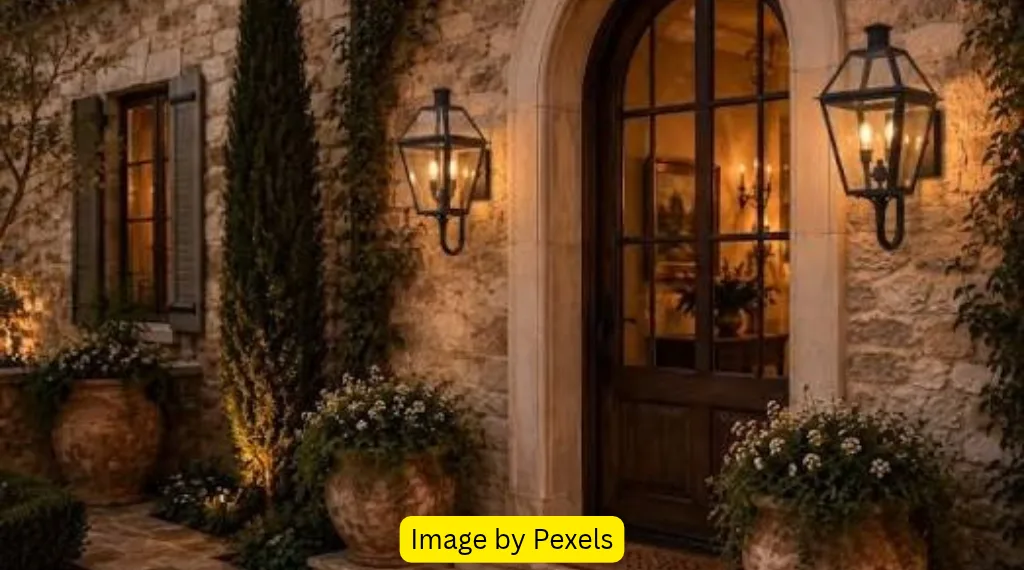
Lantern lights take inspiration from traditional lantern designs and are available in both indoor and outdoor versions. Their frames and glass panels can add a classic, farmhouse, industrial, or contemporary detail to a space.
Indoor lantern fixtures can work in entryways, dining rooms, and hallways. Outdoor lantern-style fixtures are commonly used near front doors, garages, patios, and exterior walls.
The most important distinction is whether the fixture is designed for the environment where it will be installed. An indoor lantern should not automatically be assumed suitable for outdoor use. For exterior installations, check the product’s weather and location rating, as well as the manufacturer’s guidance for exposure to rain and moisture.
Lantern fixtures are available in different sizes and finishes. Choose a design that complements the architecture and provides enough light for the intended area.
String Lights for Decorative Ambient Lighting
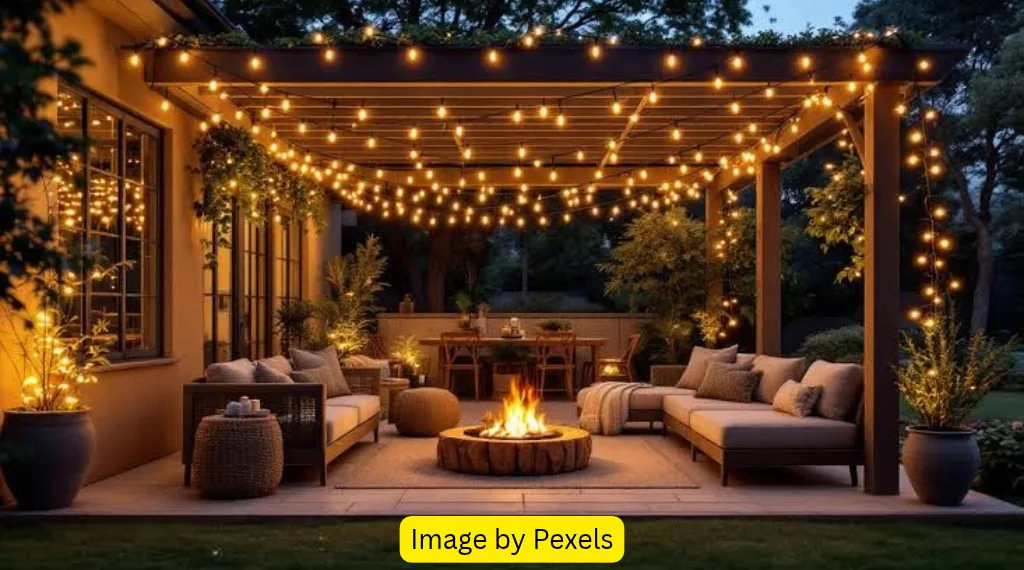
String lights consist of multiple small light sources connected along a flexible cable. They are often used to create a relaxed decorative atmosphere in bedrooms, patios, balconies, pergolas, and outdoor seating areas.
Indoors, string lights can be arranged around a headboard, along a shelf, or within a decorative display. Outdoors, they can help define a seating area or add gentle illumination to a covered entertaining space.
They are not usually a replacement for functional task or security lighting. Instead, think of them as an additional decorative layer.
For outdoor use, select products specifically labeled for the intended conditions and install them according to the manufacturer’s instructions. Keep connections protected as directed, avoid overloading electrical outlets, and make sure the installation does not create a tripping or entanglement hazard.
LED Panel Lights for Broad, Even Illumination
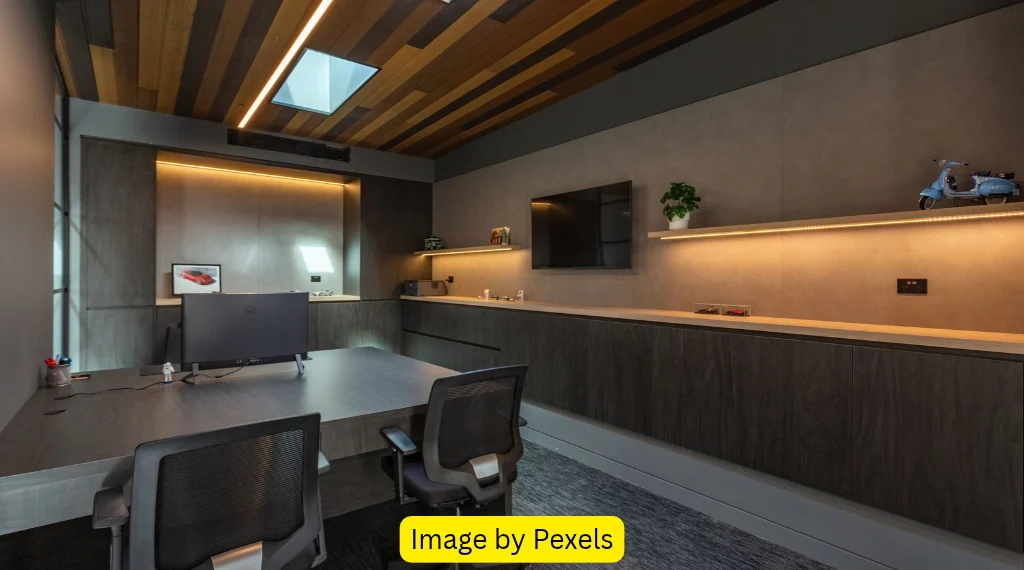
LED panel lights are flat fixtures designed to distribute light across a broad surface. Their simple profile makes them suitable for contemporary interiors, home offices, utility rooms, and some kitchens.
Some panels are recessed into a ceiling, while others are surface-mounted or suspended. Their appearance is generally understated, which can work well in spaces where a clean ceiling design is preferred.
When comparing LED panels, look beyond the fixture’s shape. Check the light output in lumens, color appearance, color quality, dimensions, dimming compatibility, and whether the product is designed for the intended ceiling installation.
A panel that provides even illumination can be useful in a work area, but it should still be selected according to the room’s size and activities. A single panel may not provide sufficient coverage in a large room, and additional task lighting may still be needed.
Smart Lighting Fixtures for Convenient Control
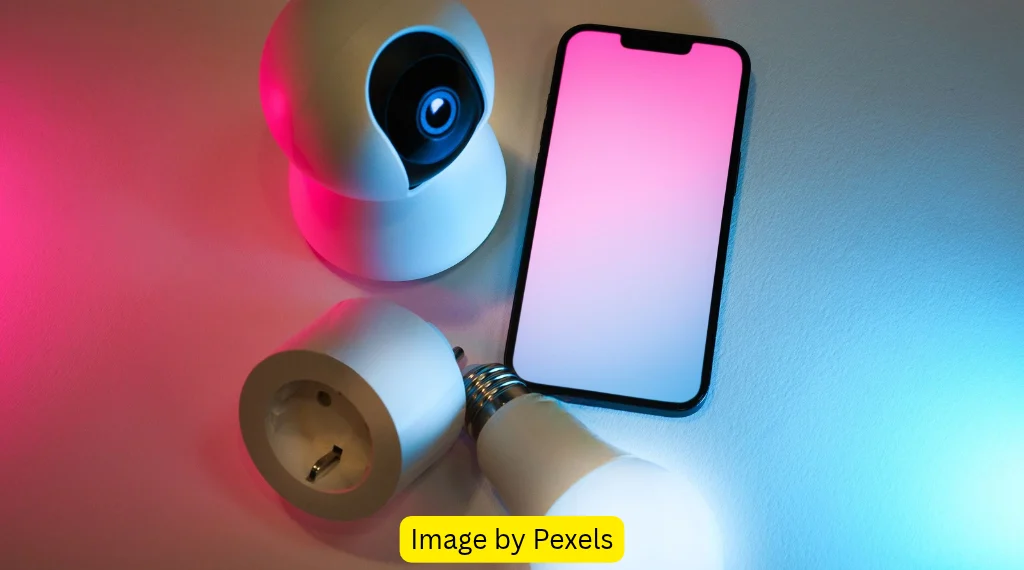
Smart lighting products allow users to adjust lights through an app, remote control, or compatible voice assistant. Depending on the system, features may include dimming, scheduling, color adjustment, and remote operation.
Smart functionality can be built into a fixture, provided by a smart bulb, or managed through a compatible lighting control system. This means that not every smart lighting setup requires replacing every fixture in the home.
Before choosing a product, check its compatibility with your existing switches, dimmers, wireless network, and preferred smart-home platform. Some products need a hub or a specific type of controller, while others connect directly.
Smart lighting is most useful when its features solve a real need. Scheduling can help automate routine lighting, while dimming can make a living room or bedroom more adaptable. Keep basic wall controls practical for household members and guests who may not want to use an app.
Outdoor Wall Lights for Entrances and Exterior Areas
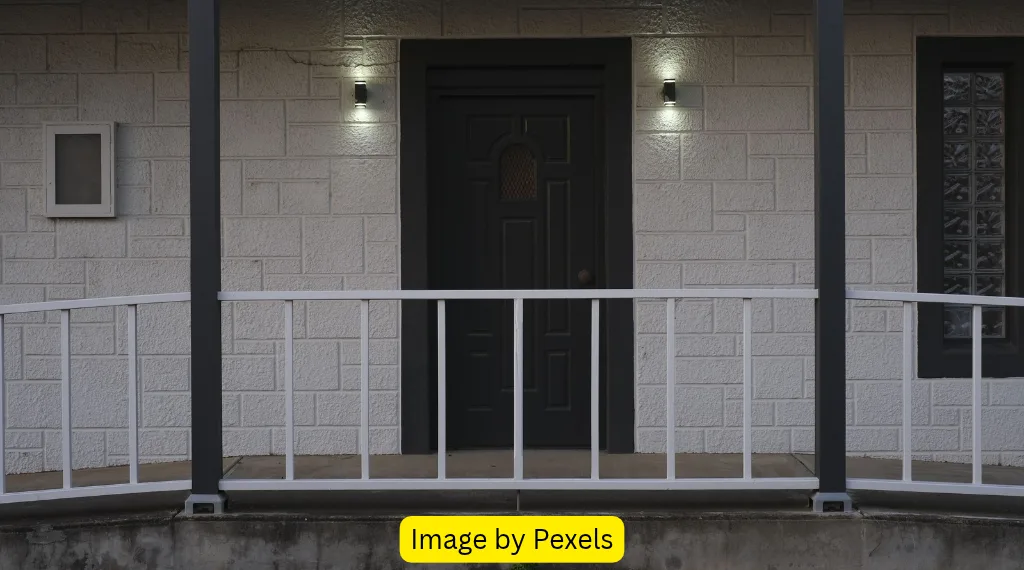
Outdoor wall lights are installed on exterior walls to illuminate entrances, patios, garages, and other areas around the home. They can improve visibility and make it easier to use outdoor spaces after dark.
Common designs include traditional lanterns, simple up-and-down lights, motion-sensor fixtures, and contemporary geometric styles. Some models provide light in one direction, while others distribute it both upward and downward.
Choose a fixture specifically rated for its intended outdoor location. Consider exposure to rain, humidity, dust, and other environmental conditions. The appropriate rating depends on where the light will be installed, so check the manufacturer’s specifications rather than relying on appearance alone.
Placement also matters. A light beside a front door should illuminate the entrance without shining directly into visitors’ eyes. For larger exterior areas, combine wall lights with suitable path or landscape lighting instead of expecting one fixture to illuminate everything.
Bathroom Vanity Lights for Clear, Useful Illumination
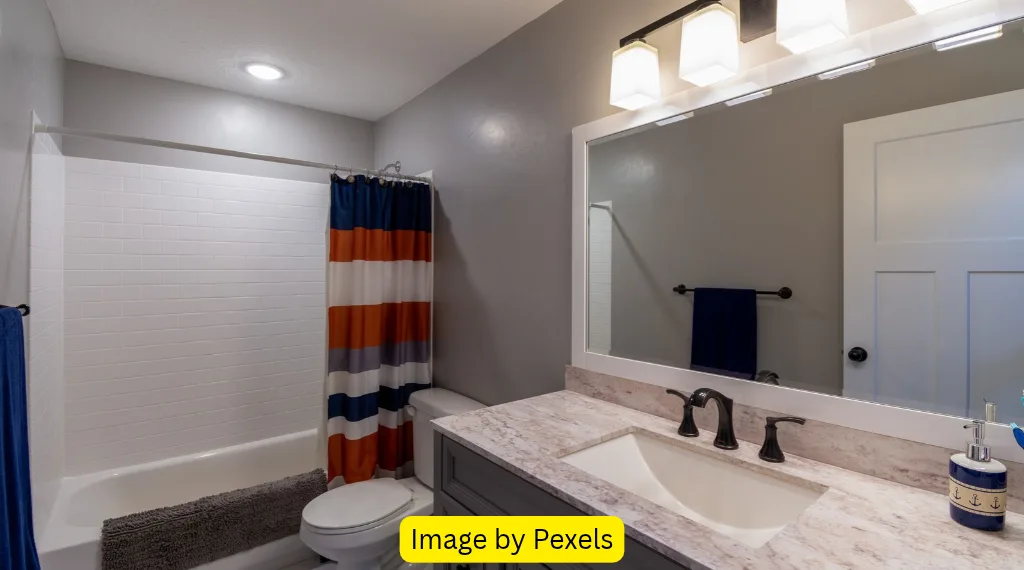
Bathroom vanity lights are designed to illuminate the area around a bathroom mirror. They may be installed above the mirror or on either side, depending on the layout and fixture design.
Good vanity lighting helps with everyday tasks such as shaving, grooming, and applying makeup. A fixture that creates strong shadows across the face may be less useful than one that distributes light more evenly.
When planning vanity lighting, consider the mirror’s width, the height of the installation, and the position of the sink. Side-mounted fixtures can provide useful facial illumination when positioned appropriately, while an overhead fixture may work better in some layouts.
Bathrooms have special electrical and moisture considerations. Choose fixtures rated for the specific location and follow applicable local electrical requirements. If you are unsure about the installation zone or wiring, consult a qualified electrician.
How to Choose the Right Lighting Fixtures for Each Room
The best fixture depends on the room’s size, ceiling height, layout, furniture, and daily activities. Instead of selecting lights only because they look attractive, begin with the job each area needs the light to perform.
| Room | Useful fixture choices | Main purpose |
|---|---|---|
| Living room | Floor lamps, table lamps, recessed lights, wall sconces | Combine general, reading, and accent lighting |
| Bedroom | Flush mounts, pendant lights, table lamps, wall sconces | Provide comfortable general and bedside lighting |
| Kitchen | Pendant lights, recessed lights, under-cabinet lights, track lighting | Illuminate work surfaces and general circulation |
| Dining room | Chandeliers, pendant lights, wall sconces | Light the table and establish atmosphere |
| Bathroom | Vanity lights, suitable ceiling fixtures, recessed lights rated for the location | Support grooming and general visibility |
| Home office | Desk lamps, ceiling lights, LED panels | Reduce shadows and illuminate the work surface |
| Hallway | Flush mounts, semi-flush mounts, wall sconces | Provide safe, consistent circulation lighting |
| Entryway | Chandeliers, lantern-style fixtures, flush mounts | Make the entrance welcoming and visible |
| Patio | Outdoor-rated wall lights, suitable string lights | Support outdoor use and decorative atmosphere |
Consider the Room’s Ceiling Height
Ceiling height affects which fixtures will fit comfortably. Flush mounts are often practical in rooms with limited overhead clearance. Pendant lights and chandeliers need enough space to hang without interfering with movement or sightlines.
Match the Fixture to the Activity
A kitchen countertop needs useful task lighting, while a living room may benefit from several softer sources. Think about where people read, cook, work, relax, and move through the space before deciding where fixtures belong.
Check the Fixture’s Dimensions
A fixture should be proportionate to the room and furniture. Measure the available space before ordering, and compare the product’s width, height, and hanging length with the installation area.
Choose a Suitable Light Color
Light color is commonly described using correlated color temperature, measured in kelvin (K). Lower values generally look warmer, while higher values appear cooler. The U.S. Department of Energy explains how color temperature and other light-quality measurements affect the appearance of LED lighting. For many residential spaces, warm or soft-white light is a comfortable starting point, but the best choice depends on the room and personal preference.
Compare Brightness Using Lumens
Wattage measures electrical power use, not the amount of light a bulb produces. Lumens are the more useful measurement when comparing brightness. Check the fixture’s stated light output and consider whether the light is spread broadly or concentrated in one direction.
Check Dimming and Bulb Compatibility
A dimmable fixture does not necessarily work with every dimmer switch or bulb. Confirm compatibility before buying, especially if you are combining an LED fixture with an existing dimmer.
Common Lighting Mistakes to Avoid
Even attractive fixtures can disappoint when they are poorly selected or positioned. A few checks before installation can prevent common problems.
- Relying on one ceiling light: A single fixture may leave corners, reading areas, or work surfaces too dark. Add task or accent lighting where it is useful.
- Choosing a fixture that is too large: Oversized fixtures can dominate a small room or interfere with movement. Measure before purchasing.
- Ignoring glare: Exposed bulbs and poorly directed beams can be uncomfortable. Consider shades, diffusers, and fixture placement.
- Using the wrong light color: Mixing noticeably different color temperatures in the same area can make the room feel inconsistent. Compare the light sources before installing them.
- Overlooking the room’s purpose: Decorative lighting cannot always replace the focused illumination needed for cooking, reading, or working.
- Forgetting outdoor and bathroom ratings: A fixture’s appearance does not tell you whether it is suitable for moisture or weather exposure. Check its listed location rating.
- Ignoring installation requirements: New wiring, recessed fixtures, and changes to electrical circuits may require professional installation. Follow the product instructions and local electrical rules.
Frequently Asked Questions About Types of Lighting Fixtures
What are the three main types of lighting in a home?
The three main layers are ambient, task, and accent lighting. Ambient lighting provides general illumination, task lighting supports activities such as reading or cooking, and accent lighting highlights selected features or decor.
Which lighting fixtures are best for a living room?
A living room often benefits from a combination of ceiling lights, floor lamps, table lamps, and wall sconces. The right mix depends on the room’s layout and how the space is used. A reading corner, for example, may need a focused lamp in addition to general lighting.
What is the difference between flush-mount and semi-flush-mount lights?
A flush-mount fixture sits close against the ceiling. A semi-flush-mount fixture hangs slightly below it, leaving a visible gap. Both can work in rooms where a large hanging fixture is unsuitable, but their height and light distribution differ.
Are recessed lights suitable for every room?
Recessed lights can be useful in many rooms, including kitchens, living rooms, and hallways. However, the correct fixture must suit the ceiling construction and installation conditions. Bathrooms and insulated ceilings may have additional product and installation requirements.
What type of lighting is best for a kitchen?
A kitchen usually needs a combination of general lighting and task lighting. Recessed or ceiling fixtures can provide overall illumination, pendant lights can define an island or dining area, and under-cabinet lights can brighten countertops.
Which fixtures are useful for low ceilings?
Flush-mount lights are a common choice because they sit close to the ceiling. Some semi-flush-mount fixtures may also work, depending on their height and the available clearance.
Are LED fixtures a good choice for home lighting?
LED fixtures can offer efficient lighting and a wide range of color appearances and designs. Compare light output, energy use, color quality, compatibility, and product specifications rather than choosing based on the LED label alone.
How do I choose the right brightness for a room?
Start with the room’s size and purpose, then compare fixture output in lumens. Consider how many fixtures are needed, how the light is distributed, and whether the room also has natural light. Work areas may need additional focused illumination.
Can I mix different styles of lighting fixtures?
Yes. Fixtures do not have to match exactly. They should, however, work together through their finishes, proportions, shapes, or overall design style. A consistent lighting plan is more important than buying identical fixtures for every room.
Do bathroom and outdoor lights need special fixtures?
They may. Fixtures must be suitable for their intended location and exposure to moisture or weather. Always check the manufacturer’s location rating and follow local electrical requirements before installation.
Final Thoughts
The right types of lighting fixtures can make a home more comfortable, functional, and visually appealing. Pendant lights and chandeliers can create attractive focal points, while recessed lights and flush mounts provide practical general illumination. Floor lamps, table lamps, and wall sconces add flexibility, and task-focused options such as desk lamps and under-cabinet lights make everyday activities easier.
Rather than choosing fixtures one room at a time without a broader plan, think about how the lighting layers will work together. Consider the room’s purpose, ceiling height, furniture arrangement, brightness needs, and the atmosphere you want to create.
A thoughtful combination of ambient, task, and accent lighting can help every room feel balanced and welcoming. Choose fixtures that suit both the design of your home and the way you actually use each space.
