
A bathroom vanity is one of the most important pieces of furniture in a bathroom. It provides a practical place for the sink, creates storage for everyday essentials, and contributes significantly to the room’s overall appearance. The right design can make a compact bathroom feel more organized or give a spacious master bathroom a polished, coordinated look.
Today’s bathroom vanities come in many configurations and styles. Some are mounted directly to the wall to create an open floor area, while others stand on the floor and offer generous cabinet storage. You can also choose between single- and double-sink arrangements, traditional wood finishes, minimalist designs, and vanities with open shelving.
However, choosing a vanity involves more than finding an attractive cabinet. You need to consider the available space, plumbing location, countertop requirements, storage habits, materials, and the number of people who use the bathroom.
Here are 15 bathroom vanity styles and configurations worth considering, along with practical advice to help you decide which one fits your home.
Floating Bathroom Vanities for a Spacious, Modern Look
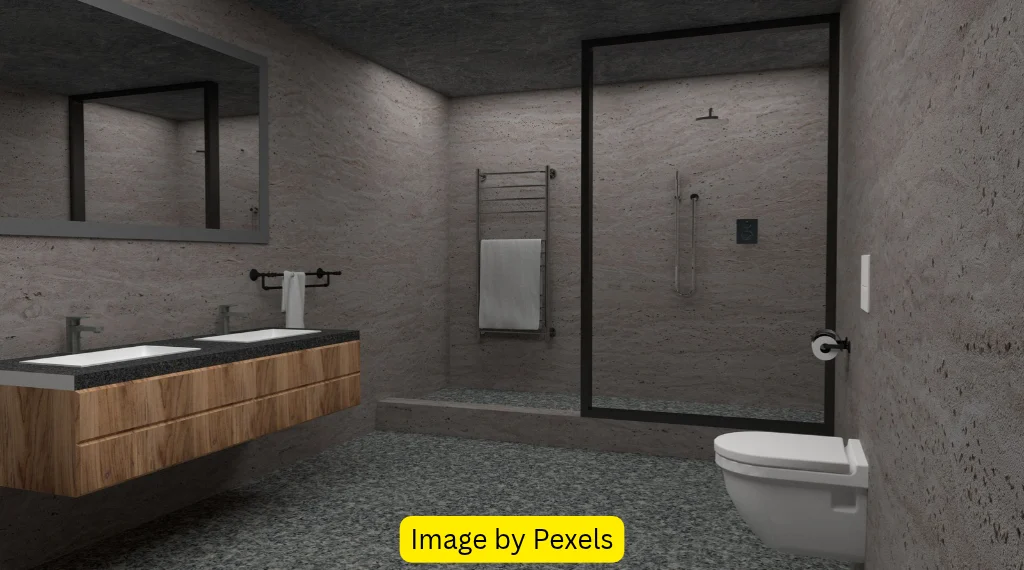
Floating bathroom vanities are mounted directly to the wall rather than resting on the floor. Their raised design leaves visible floor space underneath, creating a lighter appearance that works particularly well in contemporary bathrooms.
One of the biggest advantages is the visual openness they provide. In a small bathroom, seeing more of the floor can make the room feel less crowded. The open area underneath can also make routine floor cleaning easier, provided the installation leaves enough clearance.
Many floating vanities feature streamlined drawers, concealed handles, integrated sinks, and simple countertops. Some have a single wide drawer, while others use several compartments to separate toiletries and personal-care products.
Before choosing a floating vanity, check that the wall structure and mounting system can support its weight, including the countertop, basin, and stored items. The plumbing also needs to fit the cabinet design. Wall-mounted installation may require appropriate reinforcement and professional assistance.
Best for: Modern bathrooms, smaller spaces, and homeowners who prefer a clean, uncluttered appearance.
Freestanding Bathroom Vanities for Practical Storage
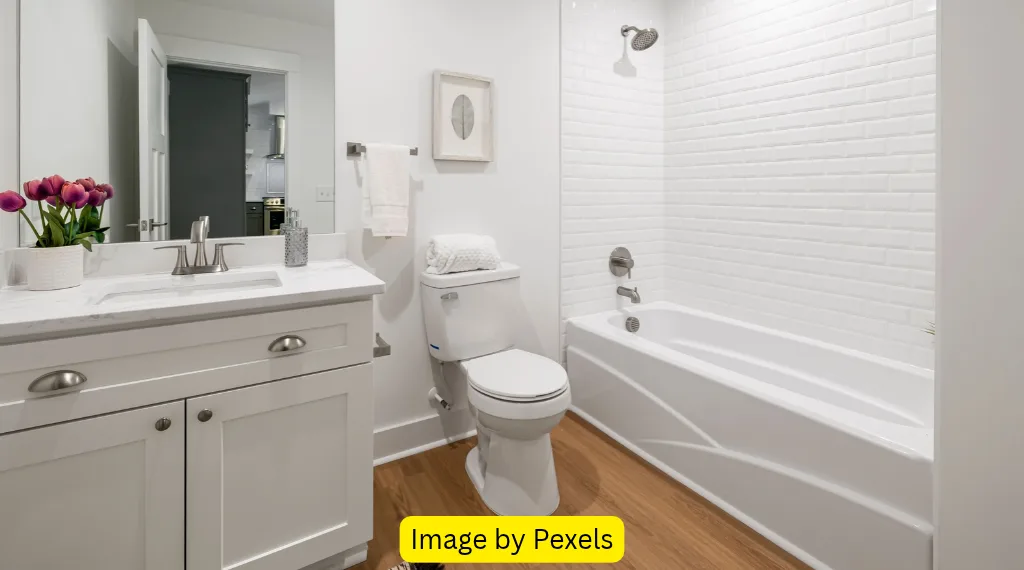
Freestanding bathroom vanities rest directly on the floor and generally resemble conventional cabinets. They remain a popular choice because they offer a familiar appearance, a wide range of designs, and useful enclosed storage.
These vanities are available in many sizes, from compact cabinets for guest bathrooms to large units with multiple drawers and doors. Their enclosed construction helps keep toiletries, cleaning products, towels, and other bathroom necessities out of sight.
A freestanding design can suit traditional, transitional, farmhouse, and contemporary interiors. You can choose a simple white cabinet for a clean look or a wood-finish unit to introduce warmth.
When shopping, pay attention to the cabinet’s internal layout. A vanity with several shallow drawers may be more convenient for smaller items, while deeper cabinets can accommodate taller bottles and larger supplies. Also check how the cabinet accommodates the sink plumbing, since pipes can reduce usable storage space.
Best for: Family bathrooms, guest bathrooms, and anyone who needs enclosed storage.
Single-Sink Bathroom Vanities for Everyday Convenience
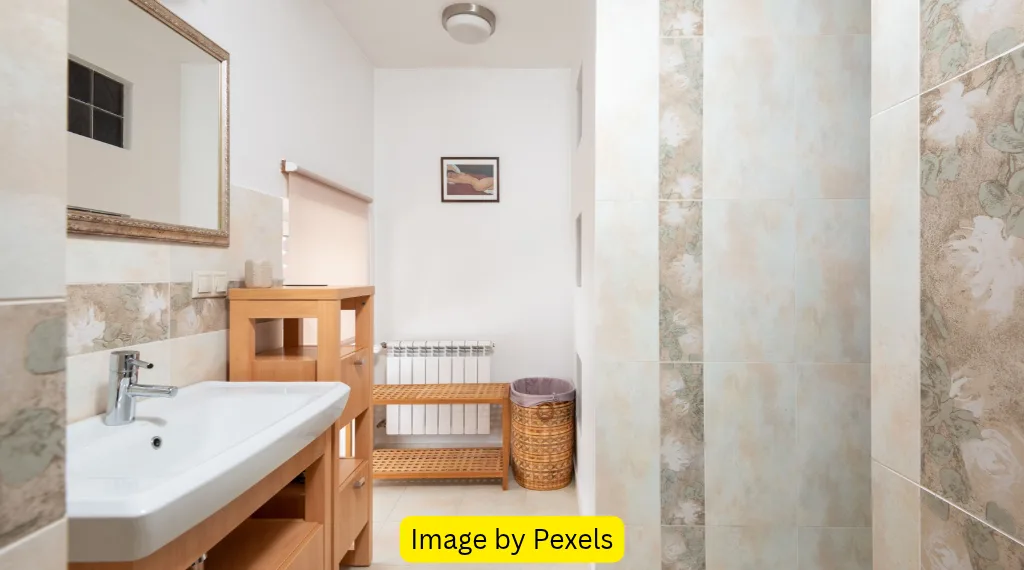
A single-sink vanity includes one basin and a surrounding countertop or integrated sink surface. It is a practical option for bathrooms used by one person at a time or households that do not need two sinks.
Because the design requires less width than most double-sink alternatives, it can fit into compact bathrooms, guest bathrooms, and many standard family bathrooms. Depending on the cabinet dimensions, you may still have room for drawers, shelves, and countertop accessories.
The size and shape of the basin influence how much usable countertop space remains. A wide basin can take up more room, while a carefully proportioned integrated sink may leave additional space for everyday items.
Think about how you use the bathroom before choosing the cabinet. If you store many products near the sink, prioritize drawer organization and countertop space. If the room is small, a narrower vanity may be more appropriate, provided it still offers comfortable access to the basin.
Best for: Small and medium-sized bathrooms, guest bathrooms, and everyday household use.
Double-Sink Bathroom Vanities for Shared Bathrooms
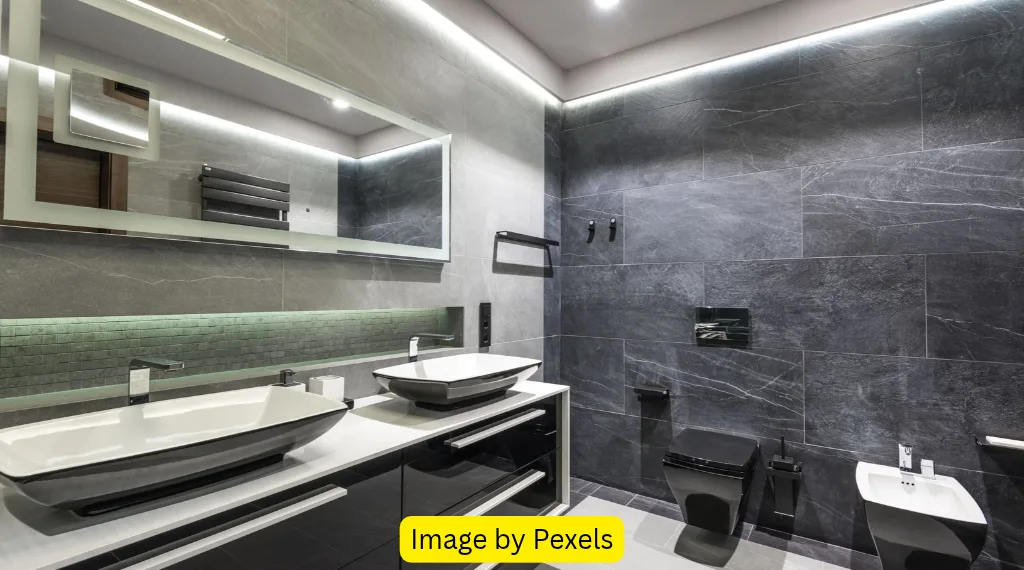
Double-sink bathroom vanities feature two separate basins, usually arranged along one continuous countertop. They are especially useful in shared bathrooms where two people may need to get ready at the same time.
A double-sink arrangement can reduce waiting during busy mornings and give each person a more defined area. Many designs also include a combination of drawers and cabinets to provide storage for household essentials.
However, two sinks require more room than a single-sink vanity. Before choosing one, measure the available wall width and consider the distance between the basins, surrounding walls, doors, and other bathroom fixtures. You also need to account for the plumbing requirements of two basins.
A double vanity is not automatically the best option for every large bathroom. If two sinks leave little room for countertop storage or comfortable movement, a spacious single-sink vanity may be more useful.
Best for: Primary bathrooms and shared family bathrooms with sufficient space.
Corner Bathroom Vanities for Small Spaces
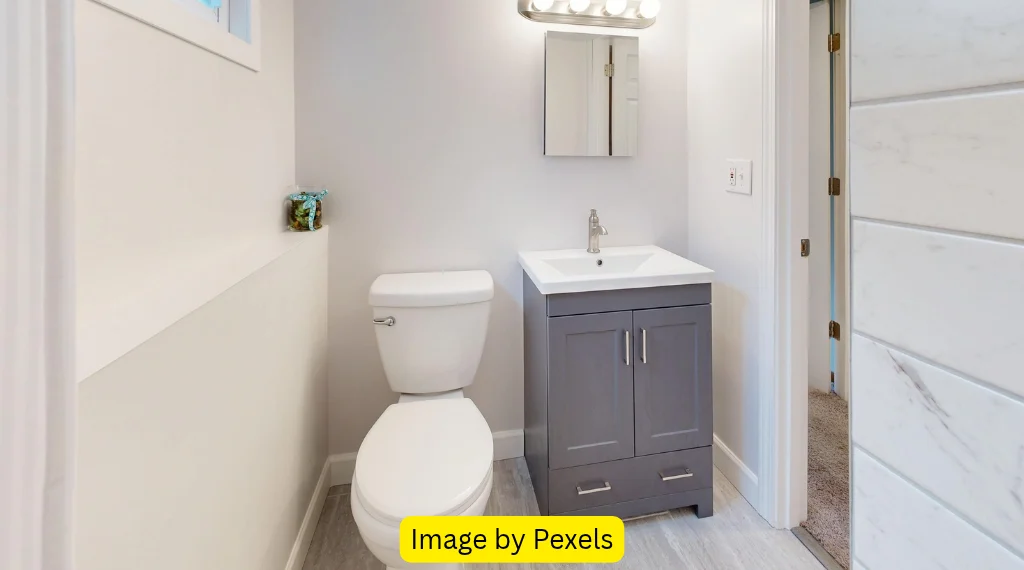
Corner bathroom vanities are designed to fit into the corner of a room. Their compact shape can help make use of an area that might otherwise remain unused.
They are particularly useful in small powder rooms, compact guest bathrooms, and unusual layouts where a conventional rectangular vanity would interfere with movement. Some designs feature angled fronts, while others have curved or triangular shapes.
Although corner vanities generally have a smaller footprint, their storage capacity can vary considerably. Some offer a simple cabinet beneath the basin, while others include small drawers or additional shelving.
Measure both adjoining walls before purchasing a corner unit. Check the door swing, nearby toilet or shower clearance, and the position of existing plumbing. A vanity that technically fits the corner may still make the room difficult to use if the basin or cabinet projects too far into the available space.
Best for: Powder rooms, narrow bathrooms, and layouts with limited wall space.
Wall-to-Wall Bathroom Vanities for Maximum Counter Space
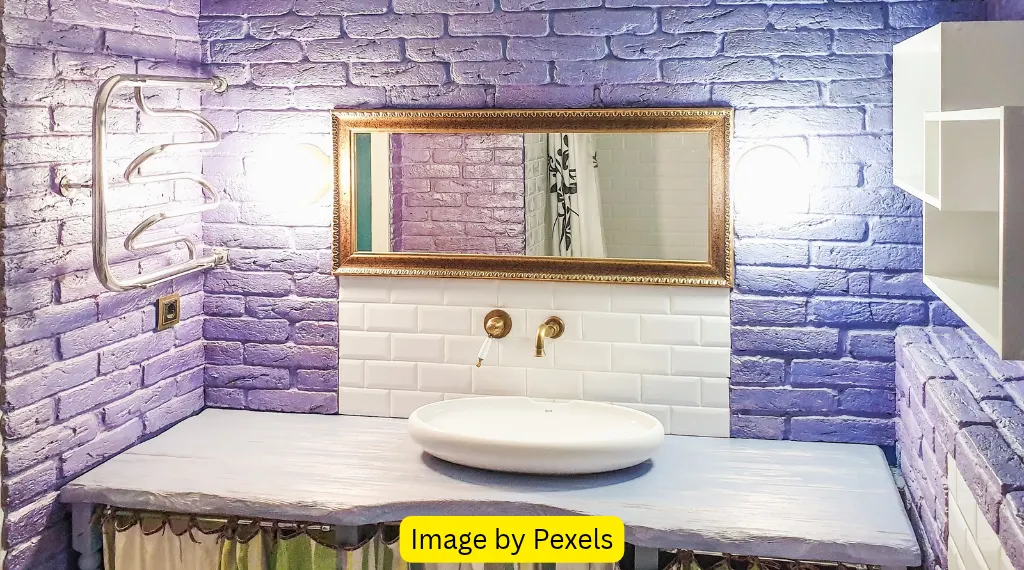
Wall-to-wall bathroom vanities extend across a substantial portion of the bathroom wall, sometimes filling nearly the entire available width. This built-in appearance can create a coordinated and substantial focal point.
The main benefit is the amount of countertop and storage space available. A longer cabinet can accommodate multiple drawers, enclosed cupboards, open compartments, and a generous surface for everyday bathroom products.
Depending on the layout, a wall-to-wall vanity can contain one basin or two. A single-sink arrangement may leave more uninterrupted countertop space, while a double-sink configuration can serve a shared bathroom.
These vanities are often planned as part of a bathroom renovation because their dimensions need to work with the wall, plumbing, mirror, and surrounding fixtures. Measure carefully and account for wall irregularities, door openings, and access panels before ordering a custom or fitted unit.
Best for: Larger bathrooms, renovations, and homeowners who need substantial storage and countertop space.
Modern Bathroom Vanities for a Clean Interior
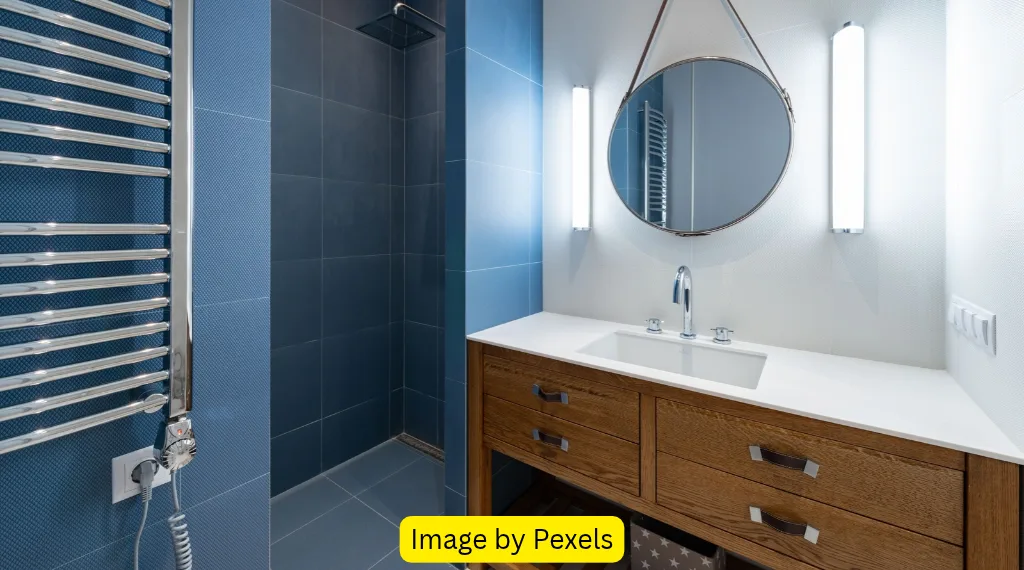
Modern bathroom vanities emphasize simple shapes, clean lines, and practical functionality. They often feature flat-front cabinet doors, streamlined hardware, neutral colors, and uncluttered countertops.
White, gray, black, and natural wood finishes are common choices. Some designs use integrated sinks and handleless drawers to create a continuous appearance, while others combine wood textures with stone-look countertops.
Modern vanities are available in both floating and freestanding configurations. This is an important distinction when shopping: modern describes the visual style, while floating and freestanding describe how the vanity is installed.
Look for a design that complements the rest of the bathroom rather than choosing the most fashionable finish. A simple vanity can remain visually appealing for years when its proportions, storage, and materials suit the room.
Best for: Contemporary bathrooms, minimalist interiors, and homeowners who prefer understated design.
Traditional Bathroom Vanities for Timeless Character
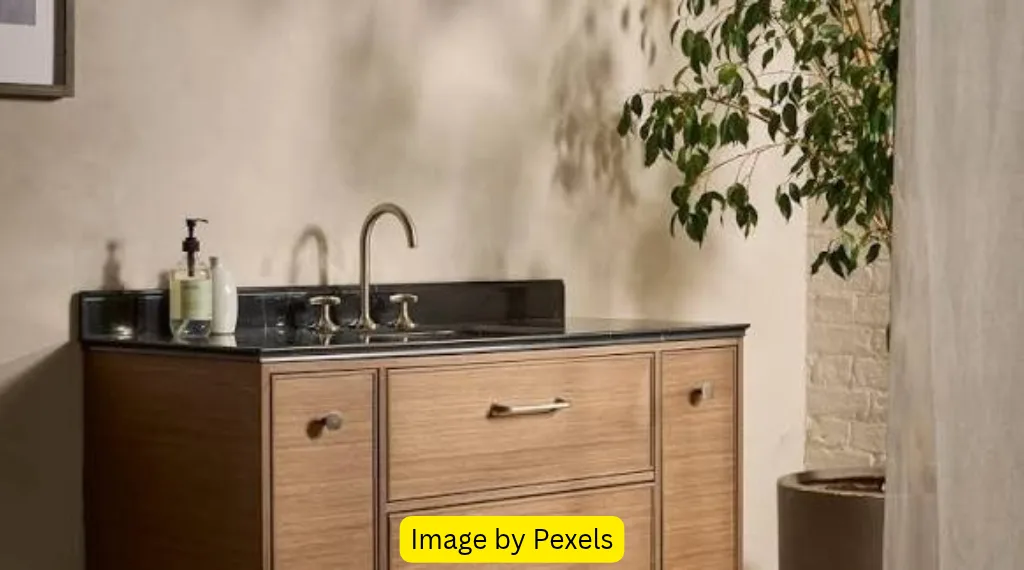
Traditional bathroom vanities feature decorative details, classic cabinet proportions, and finishes inspired by established furniture styles. They may include raised-panel doors, ornamental hardware, carved legs, and rich wood tones.
Oak, walnut, cherry, and painted finishes are common design choices. Some traditional vanities resemble elegant furniture pieces, while others use a more substantial cabinet structure with multiple drawers and doors.
This style works well in bathrooms with classic mirrors, decorative wall finishes, traditional faucets, and warm lighting. It can also introduce contrast in an otherwise simple bathroom.
When selecting a traditional vanity, consider the amount of visual detail in the surrounding room. A heavily decorated cabinet may look out of place in a very small bathroom with limited wall space. A simpler traditional design can provide the desired character without overwhelming the interior.
Best for: Classic homes, traditional interiors, and bathrooms with decorative architectural details.
Rustic Bathroom Vanities for Natural Warmth
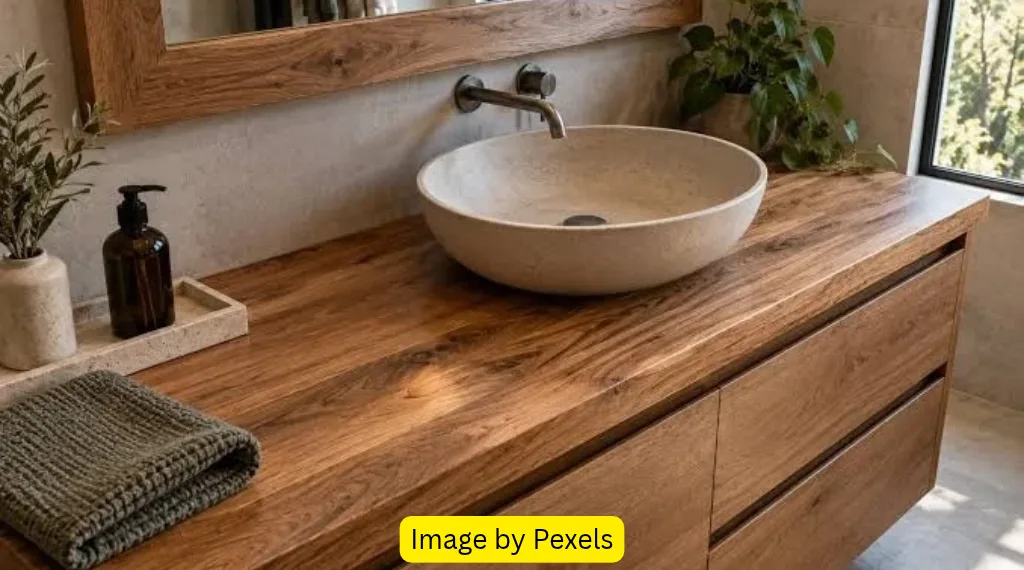
Rustic bathroom vanities use natural-looking materials, visible textures, and finishes that create a relaxed, lived-in appearance. They often feature wood grain, distressed surfaces, simple hardware, and substantial cabinet designs.
Reclaimed wood and wood-look finishes can give a vanity a distinctive character. Some designs combine timber with stone-look countertops, dark metal handles, or open shelving.
A rustic vanity can add warmth to a bathroom dominated by white tile and smooth surfaces. It can also complement natural stone, textured walls, and earthy color palettes.
However, bathrooms are humid environments, so material selection matters. Not every untreated or reclaimed wood product is suitable for bathroom use. Look for finishes and construction intended for the conditions in which the vanity will be installed, and follow the manufacturer’s cleaning and maintenance guidance.
Best for: Farmhouse-inspired bathrooms, natural interiors, and spaces that need warmth and texture.
Farmhouse Bathroom Vanities for a Welcoming Look
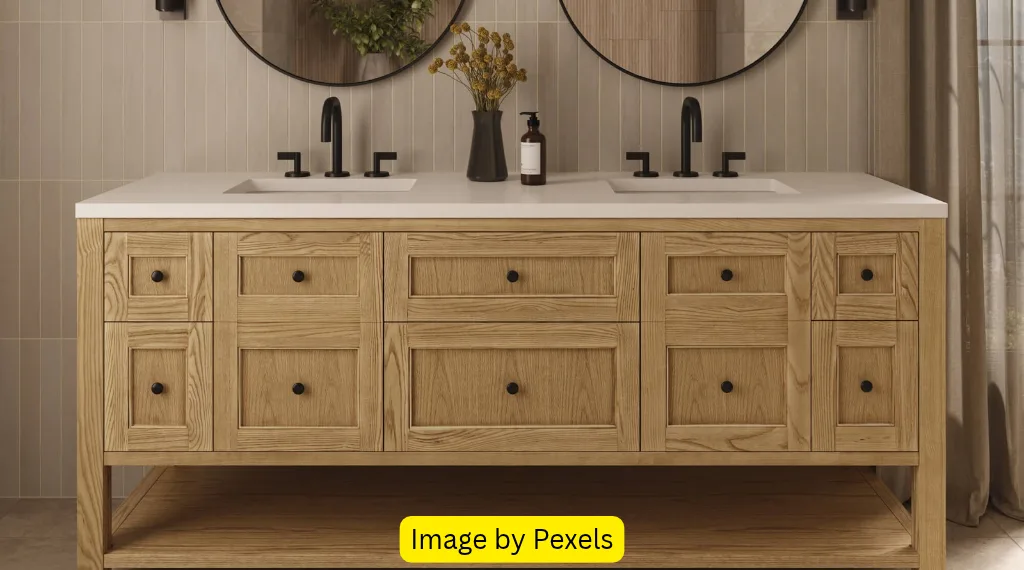
Farmhouse bathroom vanities combine practical cabinetry with relaxed, traditional design details. They often use shaker-style doors, natural wood finishes, simple handles, and a straightforward cabinet structure.
White and warm wood are popular finishes, although darker painted cabinets can also suit this style. Some designs incorporate open shelves or furniture-style legs to create a more relaxed appearance.
A farmhouse vanity works particularly well with simple mirrors, warm metal hardware, traditional-style faucets, and natural textures. It can also balance modern bathroom elements without making the room feel overly formal.
Think carefully about the amount of open storage you want. Open shelves can make towels and baskets easy to access, but they also leave stored items visible. If you prefer a cleaner appearance, choose a farmhouse vanity with more enclosed drawers and cabinet doors.
Best for: Farmhouse interiors, country-inspired homes, and bathrooms with warm, comfortable styling.
Scandinavian Bathroom Vanities for Simple, Airy Spaces
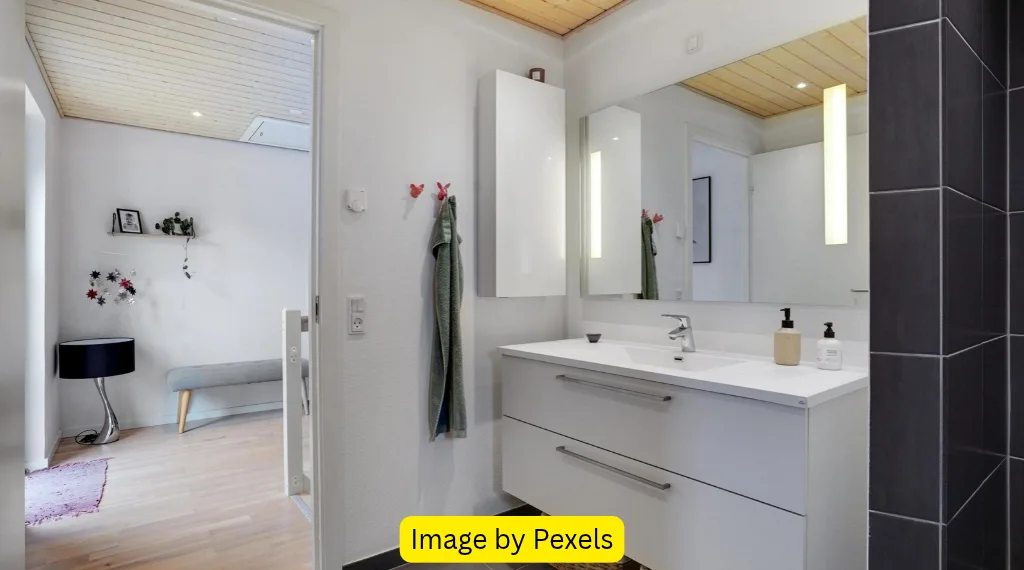
Scandinavian bathroom vanities draw inspiration from Nordic design, which often emphasizes simplicity, natural materials, practical storage, and a light visual appearance.
Light oak, ash, birch, white finishes, and understated hardware are common choices. Cabinet designs are generally straightforward, with clean fronts and storage that keeps everyday items organized.
This style can work especially well in smaller bathrooms because its light colors and simple shapes avoid adding unnecessary visual weight. Pairing a Scandinavian vanity with a simple mirror, neutral tile, and soft lighting can create a calm, coordinated interior.
Function remains important. Look for drawers that suit your storage needs and finishes that are appropriate for bathroom conditions. A beautiful minimalist cabinet is less useful if it cannot accommodate the products and supplies you regularly use.
Best for: Minimalist homes, light and neutral bathrooms, and homeowners who prefer simple natural finishes.
Industrial Bathroom Vanities for a Bold, Contemporary Style
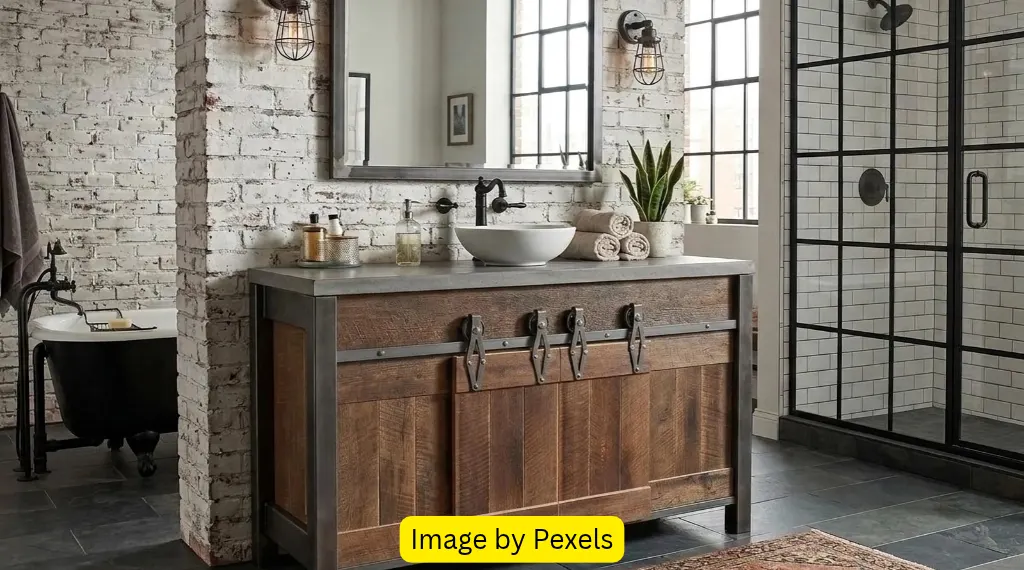
Industrial bathroom vanities combine materials and details associated with workshop-inspired interiors. Common features include metal frames, dark finishes, exposed hardware, concrete-look countertops, and wood surfaces.
The contrast between metal and wood can give a bathroom a distinctive appearance. Open shelving is also common, making it possible to display towels, baskets, and selected accessories.
Industrial vanities can suit bathrooms with concrete-look tiles, dark fixtures, simple mirrors, and exposed material textures. They can also add a strong design element to an otherwise neutral room.
When evaluating a particular model, distinguish between decorative appearance and actual material specifications. A metal-look finish is not necessarily solid metal, and a wood-look cabinet may use an engineered core. Check the product details and the manufacturer’s guidance for moisture exposure and maintenance.
Best for: Contemporary interiors, loft-inspired bathrooms, and homeowners who like strong material contrasts.
Luxury Bathroom Vanities for a Refined Finish
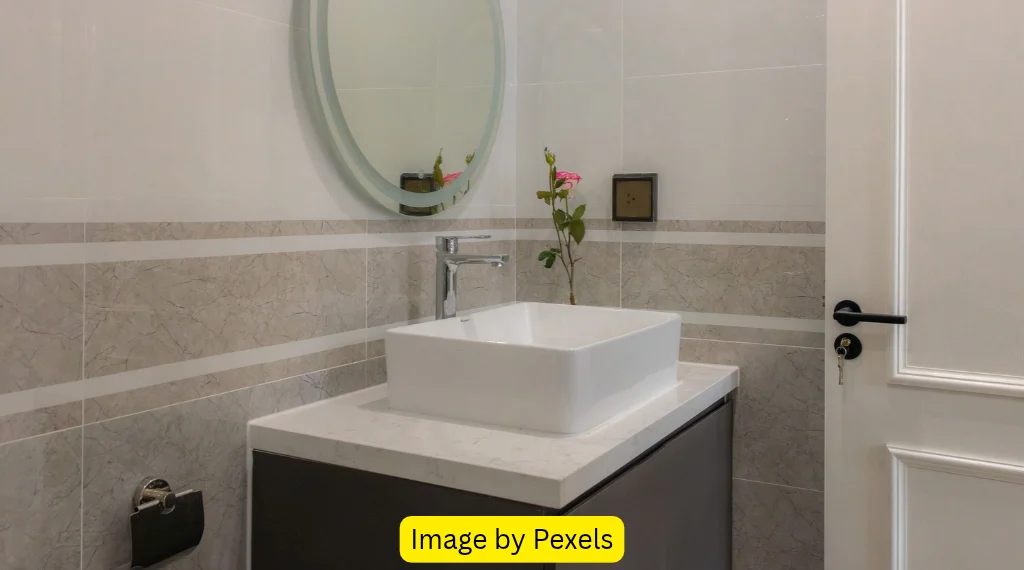
Luxury bathroom vanities are designed to create a more refined appearance through their materials, proportions, details, and overall finish. They may include natural stone countertops, premium cabinet finishes, integrated storage, decorative hardware, and coordinated mirrors.
Some high-end designs feature double sinks, custom cabinetry, concealed compartments, and built-in lighting. Others use a simpler design but focus on carefully selected materials and craftsmanship.
The word luxury does not automatically mean that a vanity is more practical or durable. Before investing in an expensive model, examine the construction, countertop material, hardware quality, finish, and available replacement parts.
Consider the whole bathroom as well. A luxury vanity looks most cohesive when its finish and proportions relate to the flooring, wall surfaces, lighting, mirror, and plumbing fixtures. You do not need to use expensive materials everywhere to achieve a polished result.
Best for: Primary bathrooms, larger renovation projects, and interiors with a coordinated high-end design.
Smart Bathroom Vanities for Added Convenience
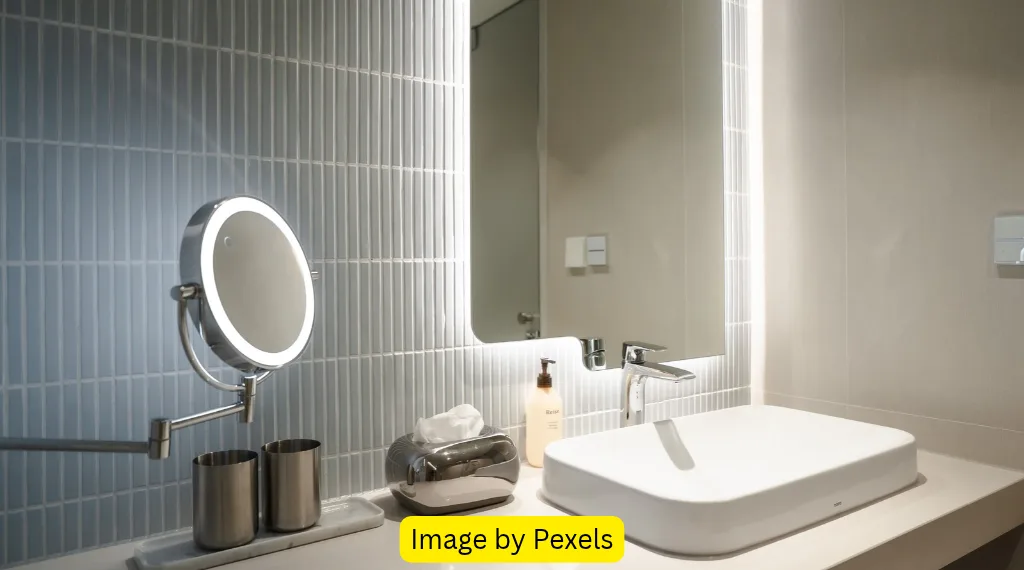
Smart bathroom vanities incorporate technology into the cabinet, mirror, or surrounding setup. Depending on the product, features may include integrated LED lighting, touch controls, anti-fog mirrors, electrical outlets, and charging connections.
These features can make certain routines more convenient. Built-in mirror lighting can provide additional illumination, while an anti-fog feature can help keep the mirror clearer after a hot shower.
However, smart features vary significantly between products. Some vanities include only basic lighting, while more advanced models may require specific electrical connections or controls. Check exactly what is included rather than assuming every product offers the same functions.
Electrical components also need to be suitable for bathroom installation. Follow the manufacturer’s instructions and applicable local electrical requirements. If a vanity requires new wiring or changes to existing circuits, use a qualified electrician.
Best for: Technology-focused homes and homeowners who value integrated lighting and convenience features.
Open-Shelf Bathroom Vanities for Accessible Storage
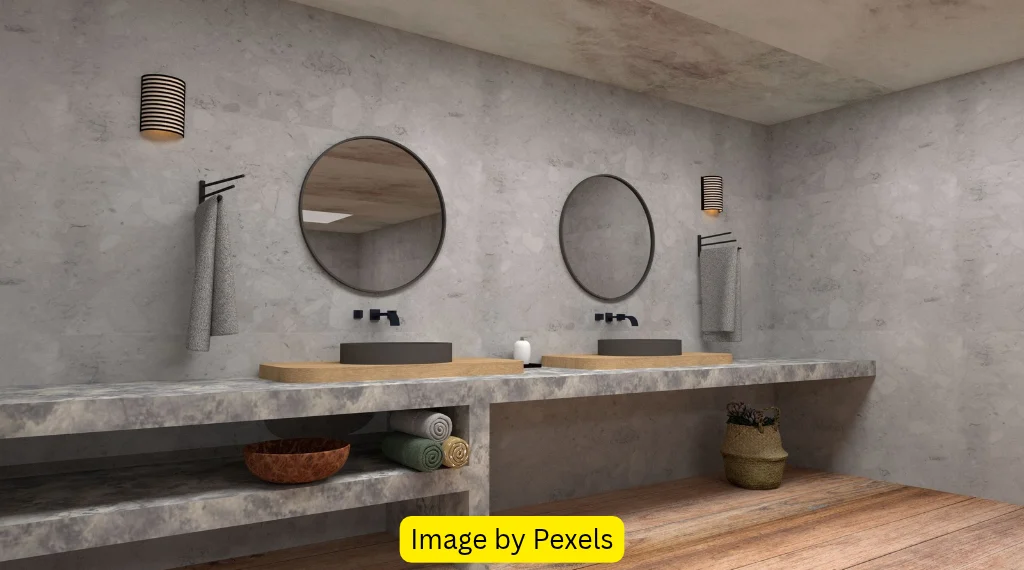
Open-shelf bathroom vanities replace some or all enclosed cabinet space with visible shelving. This arrangement can create a lighter appearance and makes frequently used items easier to reach.
The shelves can hold folded towels, baskets, toilet paper, and selected bathroom accessories. They also provide an opportunity to introduce natural materials or decorative details without adding another large cabinet.
The main trade-off is that open storage does not conceal clutter. Items remain visible, so the shelves need regular organization. In a busy family bathroom, combining open shelves with a few drawers or doors can provide a more practical balance.
Before choosing an open-shelf vanity, consider the items you plan to store and how much privacy you want. You should also check the shelf material and finish to make sure they are suitable for the bathroom environment.
Best for: Guest bathrooms, minimalist interiors, and homeowners who prefer accessible storage.
How to Choose the Right Bathroom Vanity for Your Space
After exploring different bathroom vanity styles, the next step is to identify the design that fits your room and daily routine. A vanity should look appropriate, but it must also fit the available space and work with the plumbing and other bathroom fixtures.
Measure the Available Space
Measure the width, depth, and height available for the vanity. Check nearby walls, doors, shower enclosures, toilets, and drawers to make sure the cabinet will not interfere with movement or access.
Do not rely only on the advertised width. The countertop, basin, handles, and cabinet doors may extend beyond the main cabinet dimensions. Check the manufacturer’s full measurements and installation drawings.
Choose Between One Sink and Two
A single-sink vanity is often sufficient for a guest bathroom or a bathroom used by one person at a time. A double-sink vanity may be more convenient for shared bathrooms, but it requires additional width and plumbing considerations.
Think about actual household routines. Two sinks are useful when people regularly use the bathroom simultaneously. If that rarely happens, extra countertop or storage space may be more valuable.
Evaluate Storage Needs
Make a list of the items you want to keep inside the vanity. Toiletries, towels, cleaning supplies, hair-care products, and personal-care accessories may require different types of storage.
Drawers can make small items easier to organize, while cabinet compartments can accommodate taller products. Open shelving is convenient for frequently used items but requires more visible organization.
Select Bathroom-Suitable Materials
Bathroom vanities are exposed to moisture, temperature changes, and regular cleaning. Cabinet construction, edge treatments, surface finishes, and hardware all affect how a unit performs over time.
Common materials and finishes include solid wood, plywood, engineered wood, laminate, and other manufactured surfaces. Each product has different properties, so check its specifications and maintenance instructions rather than assuming that a particular material is automatically waterproof.
Match the Countertop and Basin
The countertop and basin affect both appearance and usability. Integrated sinks can create a continuous surface, while separate vessel basins add a more distinctive visual element.
Consider cleaning requirements, available countertop space, faucet compatibility, and the way water drains from the surface. Make sure the basin, countertop, and faucet are designed to work together.
Check Plumbing and Installation Requirements
Existing plumbing can influence which vanity styles are practical. A cabinet may need specific internal clearance for pipes, drain connections, and water supplies.
Wall-mounted designs also require an appropriate mounting structure and secure installation. Check the manufacturer’s installation guidance before buying, especially when replacing a vanity with a different configuration.
Coordinate the Vanity With the Rest of the Bathroom
The vanity should relate to the bathroom’s other major finishes. Consider the color and texture of the tiles, flooring, mirror, faucets, lighting, and shower fittings.
For additional bathroom planning inspiration, explore our guides to walk-in shower ideas and bathroom tile ideas. These can help you consider how the vanity will fit into the room’s wider design.
Common Bathroom Vanity Buying Mistakes to Avoid
A bathroom vanity is a long-term purchase, so it is worth checking the details before ordering. These common mistakes can lead to an uncomfortable layout or a cabinet that does not meet your needs.
- Choosing a vanity before measuring: A cabinet that looks suitable online may be too wide or deep for the available space.
- Ignoring door and drawer clearance: Make sure cabinet doors and drawers can open without hitting nearby fixtures or walls.
- Prioritizing appearance over storage: A beautiful vanity may not be useful if it lacks enough space for everyday essentials.
- Assuming every wood finish is moisture-resistant: Check the actual construction and finish specifications.
- Overlooking plumbing compatibility: Confirm the sink, drain, faucet, and cabinet layout work with the existing plumbing or planned renovation.
- Choosing two sinks without enough room: A double vanity can reduce usable countertop space and make a bathroom feel crowded if it is not properly sized.
- Ignoring installation requirements: Floating units, electrical features, and plumbing changes may require professional installation.
- Forgetting maintenance: Consider how easy it will be to clean the countertop, cabinet surfaces, handles, and open shelves.
Frequently Asked Questions About Bathroom Vanities
What is the most popular type of bathroom vanity?
Floating and freestanding bathroom vanities are both popular choices. Floating models create a lighter, more contemporary appearance, while freestanding models offer familiar cabinet storage. The best option depends on the bathroom’s layout and the homeowner’s needs.
Are floating bathroom vanities suitable for small bathrooms?
Yes. Their raised design leaves visible floor space underneath, which can make a small bathroom feel more open. However, the vanity still needs to fit the available wall space and be securely mounted to a suitable structure.
Is a single-sink or double-sink vanity better?
A single-sink vanity is often more practical for compact bathrooms and households that do not need two basins. A double-sink vanity can be convenient in a shared bathroom when enough width and plumbing access are available.
What is the best bathroom vanity for a small bathroom?
Compact floating, single-sink, and corner vanities are worth considering. Measure the available space and check the cabinet depth, door clearance, and storage layout before choosing one.
Which bathroom vanity materials are suitable for humid environments?
The suitability depends on the specific product’s construction, finish, and installation. Some engineered materials and properly finished wood products are designed for bathroom use. Always check the manufacturer’s moisture-resistance information and maintenance instructions.
How high should a bathroom vanity be?
The appropriate height depends on the vanity design, basin type, countertop thickness, and the people using the bathroom. Check the complete installed height rather than looking only at the cabinet measurement, and compare it with the manufacturer’s specifications.
Are open-shelf bathroom vanities practical?
They can be practical for storing towels, baskets, and frequently used items. However, everything remains visible, so they require regular organization. A combination of open shelving and enclosed storage may be more suitable for busy bathrooms.
Should a bathroom vanity match the bathroom cabinets?
It does not have to match exactly. The finishes should coordinate with the other materials and fixtures, but contrast can also create an attractive design. Consider the overall color palette and visual balance.
How much storage should a bathroom vanity have?
Choose storage based on what you actually need to keep in the bathroom. Consider the number of users, the products you use daily, towel storage, and whether cleaning supplies will be stored elsewhere.
Can I replace a bathroom vanity without remodeling the entire bathroom?
In many cases, yes. A replacement vanity may be installed without changing the entire room, provided the new unit works with the existing plumbing, wall conditions, and available space. Changes to plumbing or electrical connections may require professional help.
Final Thoughts
The right bathroom vanity can improve the appearance and everyday functionality of your bathroom. Floating designs create a clean, open look, freestanding cabinets provide familiar storage, and double-sink arrangements can make shared bathrooms more convenient. Traditional, farmhouse, Scandinavian, rustic, and industrial styles offer different ways to coordinate the vanity with your home’s interior.
Before making a purchase, focus on the measurements, storage layout, materials, countertop, plumbing, and installation requirements. A vanity that fits your daily routine and the available space will usually be a better long-term choice than one selected only for its appearance.
Whether you are updating a compact guest bathroom or planning a larger renovation, choose a design that balances practical storage with a style you will enjoy using every day.
