
A coffee table does more than fill the space in front of a sofa. It gives you a convenient place to set down drinks, keep books within reach, display a few favorite accessories, and bring the seating area together. The right design can also make a living room feel more balanced, spacious, cozy, or polished.
There are many different types of coffee tables, and they are not all classified in the same way. Some are defined by their shape, such as round, square, and rectangular tables. Others are distinguished by their materials, including wood, glass, marble, and acrylic. You can also choose a table based on its function, with options such as lift-top, nesting, storage, and C-shaped designs.
Understanding these differences makes it easier to find a coffee table that suits your room, furniture, and everyday routine. This guide explains the most common options, what each one offers, and what to consider before choosing one.
Rectangular Coffee Tables

Rectangular coffee tables are a familiar choice because their long shape works naturally with many standard sofas. They provide a generous surface for drinks, books, trays, and decorative objects without requiring the visual space of several smaller tables.
This shape is particularly useful in a living room with a longer sofa or a straight seating arrangement. A rectangular table can help connect the seating area and create a clear central point. It is available in almost every material and design style, from simple wood tables to glass-and-metal combinations.
Before buying one, measure the length of your sofa and the available floor space. A table that is too long can make the room feel crowded or obstruct the route between seats. Leave enough room for people to walk around it comfortably.
Square Coffee Tables

A square coffee table is often a good match for a large sectional or a seating arrangement that wraps around the table. Its equal sides create a balanced appearance, and the broad top provides space for serving trays, books, and everyday items.
This shape can work especially well when several seats face inward toward a shared center. People sitting on different sides can reach the surface without having to lean across a long table.
However, a square table may feel oversized in a narrow room or in front of a small sofa. Check the proportions of your seating before choosing one. If the room has limited walking space, a round or oval design may be easier to move around.
Round Coffee Tables

Round coffee tables have a curved outline that can soften a living room filled with straight lines and rectangular furniture. They are often used with sectionals, compact sofas, and smaller seating arrangements where a table with sharp corners might interrupt the flow of movement.
The absence of corners can make it easier to navigate around the table, although the table still needs to be positioned safely and securely. A round design can also encourage a more conversational arrangement because the surface is accessible from several sides.
Consider the diameter carefully. A small round table may look lost in front of a large sectional, while an oversized one can take up too much floor space. The best choice should feel proportional to the seating and leave a comfortable route around it.
Oval Coffee Tables
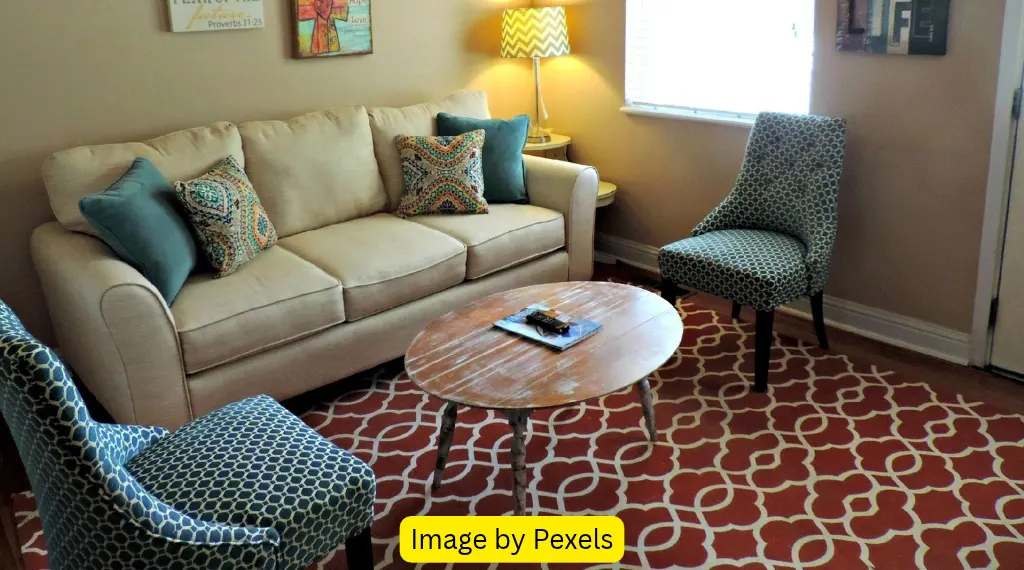
An oval coffee table combines the elongated surface of a rectangular table with the softer outline of a round one. It can be a practical choice when you want a relatively generous tabletop but prefer curved edges.
Oval tables often work well with longer sofas because their shape follows the seating arrangement without creating prominent corners at either end. They can also help a narrow seating area feel less visually rigid.
As with other shapes, the dimensions matter more than the label. Check the table’s length, width, and height against your sofa. Make sure its curved ends do not interfere with nearby chairs, walkways, or cabinet doors.
Wooden Coffee Tables

Wooden coffee tables are versatile because wood is available in many colors, grain patterns, finishes, and construction styles. Oak, walnut, maple, pine, and other woods can create noticeably different looks, from light and understated to dark and traditional.
A wooden table can suit farmhouse, contemporary, Scandinavian, rustic, and classic interiors. It may have a simple slab top, turned legs, carved details, a lower shelf, or built-in drawers. This variety makes it easier to find a design that complements existing furniture.
Care depends on the type of wood and its finish. Use cleaning products recommended by the manufacturer, wipe up spills promptly, and protect the surface from excessive heat and moisture. Solid wood and wood veneer are not identical, so check the product details rather than assuming every wooden table has the same construction.
Glass Coffee Tables

Glass coffee tables can make a room feel visually lighter because their transparent tops allow more of the surrounding floor and furniture to remain visible. This quality can be useful in smaller living rooms or spaces where a solid, bulky table would feel overwhelming.
Many designs pair a glass top with metal or wooden legs. Some use a fully transparent structure, while others combine glass with a contrasting lower shelf or frame.
Glass does require regular cleaning because fingerprints, dust, and smudges are easy to notice. Check whether the top is tempered glass and review the manufacturer’s care and safety guidance. Tempered glass is designed differently from ordinary glass, but no glass tabletop should be treated as unbreakable. Households with young children or active pets should consider the table’s stability, edges, and placement.
Marble Coffee Tables
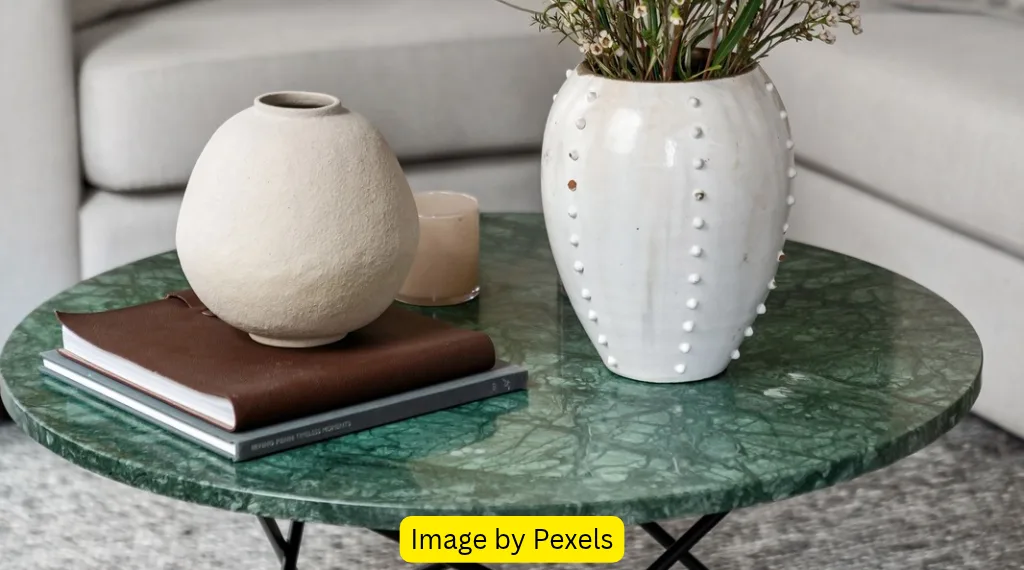
A marble coffee table can become a strong visual feature in a living room. Natural stone often has distinctive veining and color variations, so each slab can have its own appearance. Marble designs range from simple round tops to substantial rectangular tables with sculptural bases.
The material pairs well with metal, wood, and upholstered furniture. A marble-look finish may offer a similar visual effect at a different weight or price point, so check whether a product is made from natural stone, engineered material, or a printed imitation.
Marble needs thoughtful care. It can be vulnerable to staining and etching from acidic substances, depending on the stone and its finish. Use coasters, wipe spills promptly, and follow the manufacturer’s cleaning recommendations. Also check the table’s weight and floor requirements before purchasing.
Acrylic Coffee Tables

Acrylic coffee tables offer a transparent look similar to glass, often with a lighter, molded appearance. Their clear construction allows the rug and surrounding furniture to remain visible, which can help a compact room feel less crowded.
Acrylic tables are available in clear, tinted, and colored finishes. Some have simple waterfall shapes, while others use traditional legs or geometric designs. They can work particularly well in contemporary and minimalist rooms.
The surface can show scratches, dust, and fingerprints, so use a soft cloth and cleaning products suitable for acrylic. Avoid abrasive pads and harsh cleaners that could damage the finish. If you are considering an acrylic table, inspect its thickness, construction, and weight capacity rather than choosing by appearance alone.
Storage Coffee Tables
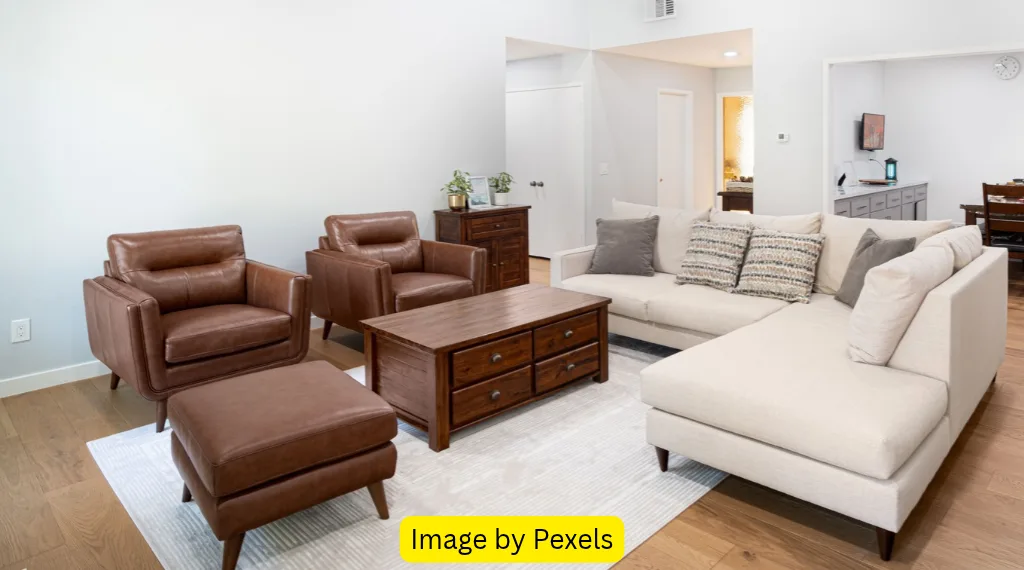
A storage coffee table is designed to help keep everyday living room items organized. Depending on the model, it may include drawers, open shelves, baskets, lift-up compartments, or a combination of storage features.
This type can be useful in apartments, family rooms, and homes where there is limited space for additional cabinets. Remote controls, magazines, chargers, board games, and small accessories can be kept close without leaving them scattered across the tabletop.
Think about what you actually need to store. Drawers are useful for smaller items you want out of sight, while open shelves make books and baskets easy to reach. Check the depth of the compartments and whether the table is easy to open without moving other furniture. A storage table should solve a clutter problem, not create a difficult-to-use piece of furniture.
Lift-Top Coffee Tables
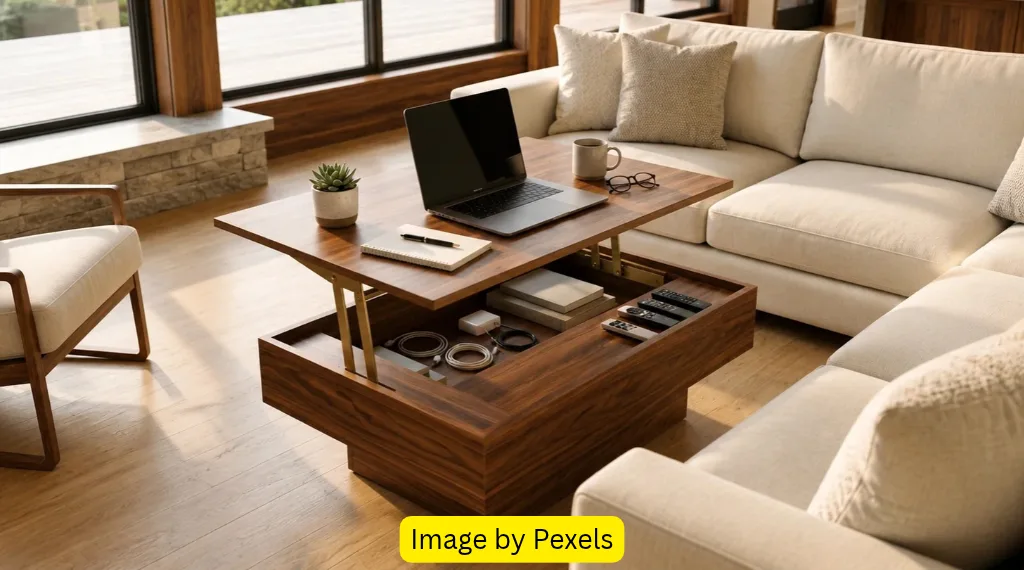
A lift-top coffee table has a movable tabletop that rises toward the seated user. Some models also move forward, bringing the surface closer to the sofa. This can make it more comfortable to use a laptop, write, eat, or read without leaning over a low table.
Many lift-top designs include storage beneath the top, making them a practical option for rooms where furniture needs to serve more than one purpose. They are particularly useful when a living room also functions as a casual workspace.
Inspect the lifting mechanism before buying. It should move smoothly and feel stable when raised. Check the manufacturer’s weight limits, safety instructions, and whether the mechanism has features that reduce the risk of trapped fingers. Measure the raised height as well as the closed dimensions to make sure it will work with your sofa.
Nesting Coffee Tables
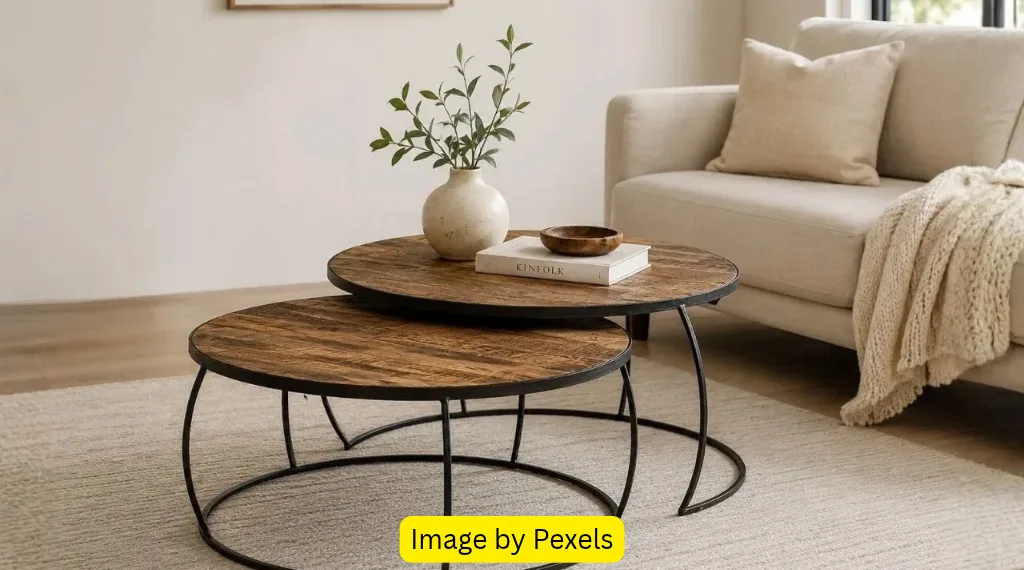
Nesting coffee tables usually come as a set of two or more tables designed to fit partly underneath one another. You can keep them grouped together for a layered look or separate them when you need extra surfaces.
This flexibility can be helpful in a small living room. When the tables are nested, they occupy less floor space. When guests arrive, the smaller tables can be moved beside chairs or used to hold drinks and snacks.
Look at the height difference between the pieces and how securely they fit together. Check whether the legs can slide beneath the larger table without scraping or catching. Nesting tables are available in wood, metal, glass, and mixed-material designs, so you can choose a set that matches your room without sacrificing flexibility.
Ottoman Coffee Tables
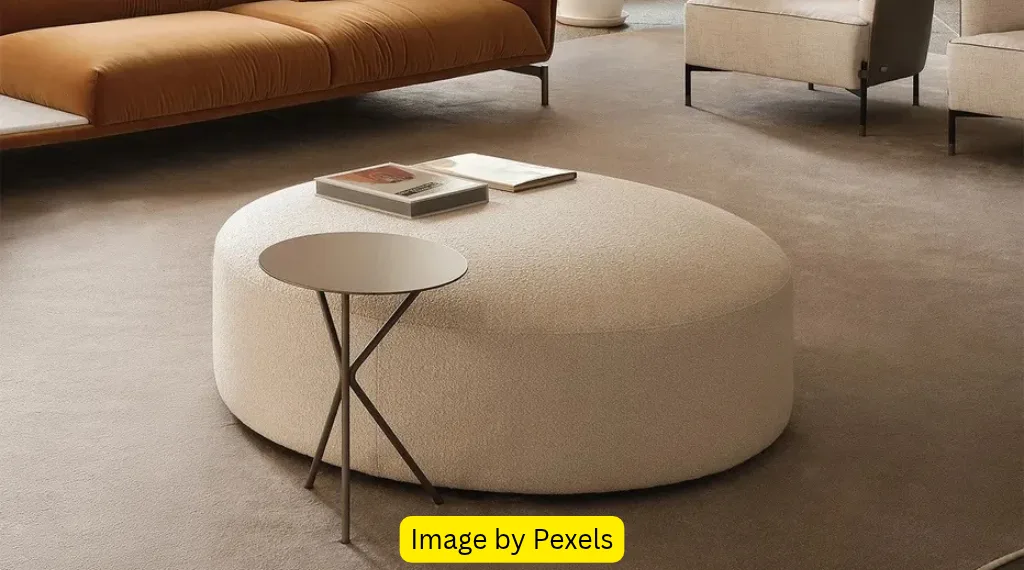
An ottoman coffee table combines the soft surface of an upholstered ottoman with the central position and everyday function of a coffee table. Depending on its construction, it can provide a place to rest your feet, extra seating, and sometimes hidden storage.
Fabric, leather, and performance upholstery are common choices. A firm, flat design can support a serving tray, creating a more stable surface for drinks and small objects. The tray can also be removed when you want to use the ottoman as a footrest.
Consider how your household will use it. If you plan to place drinks on top, choose a firm surface and a tray that sits securely. Check the upholstery’s cleaning instructions, especially if the table will be used frequently by children or pets.
C-Shaped Coffee Tables

A C-shaped coffee table has a frame that allows its base to slide partly beneath a sofa or chair while the tabletop sits over the seat area. This arrangement brings a surface closer to the person sitting down, making it convenient for a laptop, book, snack, or drink.
C-shaped tables are especially useful in compact rooms where a conventional coffee table may take up too much central floor space. They can also work alongside a larger coffee table when you need an additional surface.
Before choosing one, measure the clearance beneath your sofa. The base needs to slide underneath without hitting the legs or lower frame. Check the tabletop dimensions and stability, too. A lightweight design is easy to move, but it should still remain steady during normal use.
Drum Coffee Tables

A drum coffee table has a rounded, substantial form that resembles a cylinder or barrel. Unlike a table with four separate legs, many drum designs have a solid or enclosed base that gives them a bold, sculptural appearance.
They can be made from wood, metal, stone, concrete, or other materials. A simple finish can suit a modern room, while carved details or textured surfaces can add character to a more traditional space.
Because drum tables often have a visually heavy shape, consider the scale of the room. A large design can work well in a spacious seating area, but it may overwhelm a compact one. Check whether the base is solid, hollow, or designed with storage, and make sure its weight and footprint are suitable for your floor and layout.
Industrial Coffee Tables
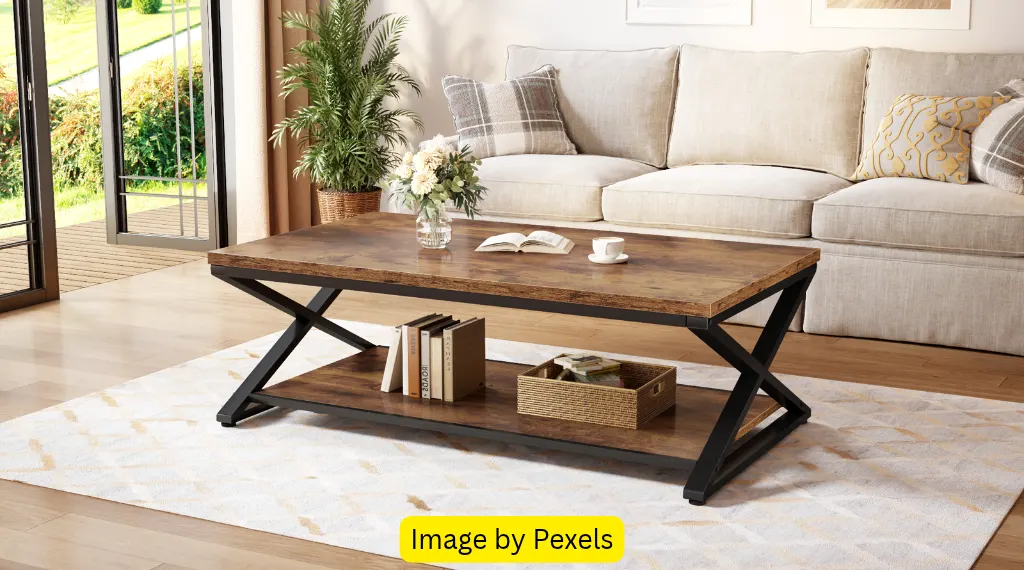
Industrial coffee tables often combine metal frames with wood, reclaimed-looking finishes, or concrete-inspired surfaces. Their design takes inspiration from workshop and warehouse furniture, using visible construction details and straightforward shapes.
Black metal legs, exposed hardware, and distressed finishes are common features. These tables can complement brick walls, leather seating, neutral rugs, and other materials with a textured or urban appearance.
Not every industrial table is heavy or rough in appearance. Some use slim frames and smooth surfaces for a more restrained look. When comparing options, pay attention to the quality of the joints, the finish on the metal, and whether the tabletop is properly sealed for everyday use.
Rustic Coffee Tables

Rustic coffee tables emphasize natural textures, visible grain, imperfect-looking finishes, and a relaxed sense of character. They may be made from solid wood, reclaimed materials, or newer furniture designed to resemble aged timber.
This style can work in cabins, cottages, farmhouse-inspired homes, and rooms that use natural fabrics and earthy colors. A rustic table may feature chunky legs, distressed paint, simple joinery, or a thick top.
The term “rustic” describes an appearance rather than a guarantee of construction quality. Check the material, finish, and stability. If the table uses reclaimed wood, look for information about how it has been prepared and finished. A well-made rustic table should feel sturdy and practical, not simply look weathered.
Farmhouse Coffee Tables
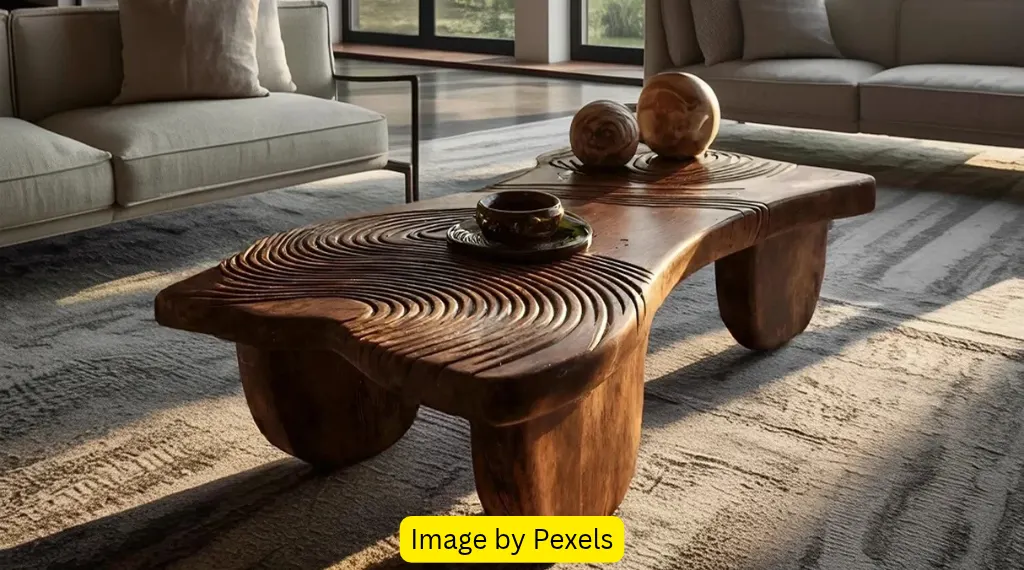
Farmhouse coffee tables bring together a comfortable, familiar look and practical furniture details. Common features include natural or painted wood, simple legs, broad tabletops, and sometimes a lower shelf or drawers.
Some farmhouse designs have a weathered finish, while others are cleaner and more contemporary. White, cream, gray, and natural wood tones are popular choices, but the best finish depends on the rest of the room.
A farmhouse table can be a useful option for a family living area because many designs offer a generous surface and straightforward storage. Check that the finish is suitable for your household’s daily use, and avoid choosing a table that is too large for the seating arrangement.
Mid-Century Modern Coffee Tables

[IMAGE SLOT: Mid-century modern coffee table with tapered legs. Filename: mid-century-modern-coffee-table.jpg. Alt text: Mid-century modern coffee table with tapered wooden legs and a clean, simple silhouette. Add a verified royalty-free stock image and the photographer’s actual credit.]
Mid-century modern coffee tables are known for clean lines, simple forms, and carefully considered proportions. Many designs feature tapered wooden legs, rounded corners, and a relatively slim profile.
The style works well in rooms that favor uncluttered furniture, warm wood tones, and a mix of vintage-inspired and contemporary pieces. Some tables include a lower shelf or a small drawer, while others keep the design minimal.
When choosing one, look at the leg angle and the overall stability of the frame. A table can have the right visual style but still be impractical if its top is too small or its height does not suit the sofa. Choose a size that supports everyday use as well as the room’s design.
Scandinavian Coffee Tables

Scandinavian coffee tables generally emphasize simplicity, useful design, and natural materials. Light wood finishes, understated shapes, and uncluttered surfaces are common features.
This style can help create a calm, airy living room, especially when paired with neutral upholstery, soft textiles, and practical storage. Some designs have rounded edges or raised legs that make the furniture appear visually lighter.
A Scandinavian-inspired table does not have to be made from a particular type of wood or follow one exact shape. Focus on the qualities that matter to your room: proportion, finish, construction, and ease of care. A simple design is most successful when it is also comfortable and convenient to use.
Smart Coffee Tables

Smart coffee tables incorporate technology into a piece of everyday living room furniture. Depending on the model, features may include USB charging ports, wireless charging pads, Bluetooth speakers, LED lighting, or refrigerated compartments.
These features can be convenient if you regularly use your living room for entertainment, work, or relaxing with a phone or tablet. However, the quality and usefulness of the technology can vary considerably between products.
Check which features are actually included rather than relying on broad product descriptions. Look for clear information about power requirements, cable management, charging compatibility, replacement parts, and warranty coverage. Also consider whether the electronic components will make cleaning or moving the table more difficult.
How to Choose the Right Coffee Table for Your Living Room
The best coffee table is not necessarily the most expensive or the most decorative. It is the one that fits your seating, leaves enough room to move, and supports the way you use your living room.
Start with the sofa. A table that is too high or too low can feel awkward to use, even if it looks attractive. Many people prefer a coffee table around the same height as the sofa seat or slightly lower, but the ideal height depends on the furniture and your comfort.
Next, consider the shape and footprint. A rectangular table often works with a straight sofa, while a round or oval option may suit a compact layout or a room with curved furniture. A square table can be useful with a large sectional if there is enough space around it.
Think about function, too. A lift-top table may be useful if you work or eat on the sofa. A storage table can help control clutter, while nesting tables provide flexible surfaces when guests visit. If you mainly want a decorative centerpiece, a simpler design may be all you need.
Before ordering, measure the available area and compare it with the product dimensions. Do not rely on a product photograph alone; wide-angle images can make furniture appear smaller or larger than it is.
Coffee Table Size, Height, and Placement
Correct sizing can make the difference between a living room that feels comfortable and one that is difficult to navigate. Measure the sofa, the proposed table area, and the walking routes around the seating arrangement.
A common starting point is to choose a coffee table that is roughly two-thirds the length of the sofa. This is a guideline, not a strict rule. A sectional, loveseat, or unusually shaped sofa may need a different proportion.
For height, compare the tabletop with the sofa seat. A table that is close to seat height or slightly lower is often convenient, but personal preference and the sofa’s design matter. If you use a lift-top table, check its raised height separately.
Leave enough clearance between the table and nearby seating for people to sit down, stand up, and reach the surface without squeezing through. Also check the route between the sofa and other furniture. A table should not block doors, drawers, or the main path through the room.
Use painter’s tape or cardboard to mark the proposed table footprint on the floor before buying. This simple step can help you judge the size in the actual room.
Coffee Table Materials and Maintenance
The material affects more than the appearance of a coffee table. It also influences weight, cleaning, durability, and the amount of care required.
| Material | Appearance | What to consider |
|---|---|---|
| Solid wood | Warm, natural grain | Protect from moisture and heat; follow finish-specific care instructions |
| Wood veneer | Real-wood surface over a core material | Avoid excess moisture and damaged edges |
| Glass | Light and transparent | Fingerprints are visible; check glass type and stability |
| Marble | Natural stone pattern | Can stain or etch; use suitable cleaners and coasters |
| Acrylic | Clear or tinted modern finish | Can scratch; avoid abrasive cleaning materials |
| Metal | Industrial or contemporary | Check coating quality and protect against scratches or corrosion |
| Upholstery | Soft and comfortable | Review fabric cleaning instructions and stain resistance |
No material is completely maintenance-free. Read the manufacturer’s care instructions before using polish, solvents, sprays, or abrasive cleaners. If you have children or pets, consider the table’s stability, edge design, surface temperature, and the possibility of spills.
Common Coffee Table Buying Mistakes to Avoid
A coffee table can look perfect online and still be a poor fit for your home. Avoid these common mistakes before making a purchase.
- Choosing by appearance alone: A beautiful table may be too large, too low, or difficult to clean.
- Ignoring measurements: Check the full dimensions, including the base and any parts that extend beyond the tabletop.
- Blocking walkways: Make sure people can move around the seating area without constantly bumping into the table.
- Overlooking storage needs: If clutter is a regular problem, consider drawers, shelves, or a lift-top design.
- Assuming every material is equally durable: Wood, glass, stone, acrylic, and metal have different care requirements.
- Forgetting stability: Check the frame, joints, base, and weight capacity, especially if the table will be used frequently.
- Not checking delivery details: Large stone or solid-wood tables can be heavy. Confirm delivery access, assembly requirements, and return conditions.
A little planning before buying can prevent an expensive piece of furniture from becoming an awkward addition to the room.
Frequently Asked Questions About Coffee Tables
What are the most common types of coffee tables?
Common types include rectangular, square, round, and oval tables, as well as wooden, glass, marble, storage, lift-top, nesting, and ottoman designs. Some categories describe a table’s shape, while others describe its material, function, or decorative style.
Which coffee table shape is best for a sectional sofa?
A square or round coffee table can work well with many sectional sofas. The right choice depends on the sectional’s shape, the amount of open floor space, and how people move around the seating area. Measure the available space before choosing.
Are round coffee tables better for small living rooms?
They can be a useful option because their curved edges make it easier to move around them. However, the diameter still matters. A large round table can occupy more space than a compact rectangular or nesting design.
How high should a coffee table be?
A coffee table is often most comfortable when it is around the height of the sofa seat or slightly lower. The best height depends on the sofa, the table’s purpose, and personal preference. Compare the actual measurements before purchasing.
What is the difference between a lift-top and a storage coffee table?
A storage coffee table has compartments, drawers, or shelves for keeping items. A lift-top coffee table has a tabletop that raises to create a higher, closer surface. Some lift-top models also include storage underneath.
Is a glass coffee table a good choice for a family home?
It can be, but consider the age of the children, the table’s stability, the edges, and the manufacturer’s safety information. Glass surfaces also show fingerprints and require regular cleaning. A different material may be more practical for some households.
What should I put on a coffee table?
A small tray, a book or two, a decorative object, or a modest vase can create an attractive arrangement. Leave enough open surface for everyday items such as drinks and remote controls. Avoid overcrowding the table or placing unstable objects near the edge.
How much space should be left around a coffee table?
Leave enough room for people to walk between the table and surrounding furniture comfortably. The exact clearance depends on the room and the layout. Measure the available space and test the arrangement before buying.
Final Thoughts
The different types of coffee tables offer more than a choice of decorative styles. Shape affects how the table fits into your seating arrangement, material influences its appearance and care, and functional features determine how useful it will be in everyday life.
A rectangular or square table may suit a larger seating area, while a round or oval design can make movement around the furniture feel easier. Storage, lift-top, nesting, and C-shaped tables offer practical solutions when space or flexibility is important. Wood, glass, marble, acrylic, and other materials each bring their own look and maintenance requirements.
Before choosing, measure your room, compare the table with your sofa, and think about what you need the surface to do. A well-chosen coffee table should complement the living room while making the space more comfortable and convenient to use.
