

The right bedroom lighting can change the entire feeling of a room. It can make a small bedroom feel more inviting, bring warmth to a minimalist space, highlight beautiful furniture, and create a relaxing atmosphere at the end of a long day.
But choosing one attractive ceiling light is rarely enough. A well-lit bedroom needs different types of lighting for different moments, from getting dressed in the morning to reading in bed or winding down at night.
The secret is combining practical fixtures with softer decorative lighting. Whether you love modern interiors, natural textures, elegant details, or simple minimalist spaces, these bedroom lighting ideas will help you create a room that feels comfortable, balanced, and beautifully finished.
20 Bedroom Lighting Ideas to Transform Your Space
1. Hang Pendant Lights Beside the Bed

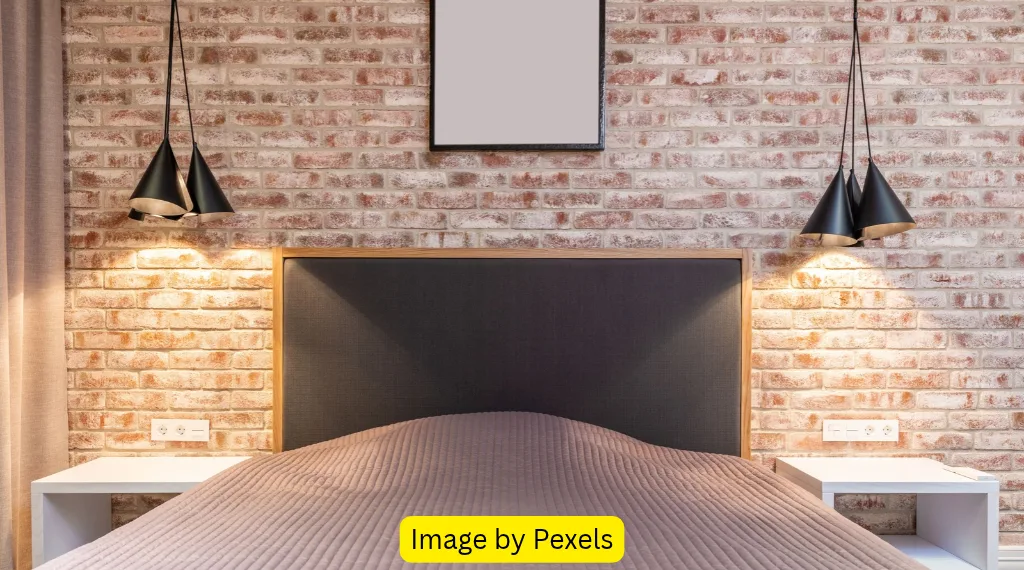
Pendant lights are a stylish alternative to traditional bedside lamps. Hanging one on each side of the bed creates a balanced arrangement while keeping the nightstands free for books, decorative objects, and everyday essentials.
For a modern bedroom, consider simple glass or metal pendants. Woven rattan, fabric, and natural-texture designs work beautifully in relaxed or organic interiors.
Pay attention to the height before installing them. The lights should provide useful illumination without hanging so low that they interfere with reading or moving around the bedside area.
Styling idea: Use matching pendants for a symmetrical look, or choose two complementary designs for a more collected interior.
2. Create a Relaxing Glow with Bedside Table Lamps

Bedside table lamps remain one of the most versatile bedroom lighting choices. They provide convenient light for reading, relaxing, or reaching for something on your nightstand without switching on the main ceiling fixture.
The lampshade makes a noticeable difference. Linen and fabric shades soften the light, while frosted glass creates a gentle glow. Ceramic, wood, and stone bases can also introduce texture to the room.
Choose a lamp that fits the scale of your nightstand. An oversized design can make a small table feel crowded, while a very small lamp may look out of proportion beside a large bed.
Practical tip: If you read in bed, look for a lamp that directs enough light toward your book rather than relying only on decorative ambient illumination.
3. Add Modern Wall Sconces for a Clean Bedside Look

Wall sconces are especially useful when you want comfortable bedside lighting without taking up table space. Mounted beside the bed, they can frame the headboard and give the room a more finished appearance.
A fixed downward-facing sconce creates focused light, while an adjustable swing-arm design gives you more flexibility for reading. Brass, matte black, brushed nickel, and simple white finishes can complement different bedroom styles.
Before installation, consider where the light will fall and whether the switch will be easy to reach from the bed.
Best for: Small bedrooms, narrow nightstands, minimalist interiors, and anyone who prefers a less cluttered bedside arrangement.
4. Install Hidden LED Lighting Behind the Headboard

Hidden LED strips can create a soft halo around a headboard without exposing the light source. This subtle effect adds depth to the bed area and makes the headboard appear visually separated from the wall.
You can position the strip behind the upper edge or along the sides of the headboard. Warm-white lighting is a good starting point if you want a relaxed atmosphere rather than a bright, colorful effect.
For a more polished result, conceal the strip so that you see the glow instead of individual LED points.
Design idea: Pair headboard lighting with simple bedside lamps. The LED glow adds atmosphere, while the lamps provide useful light for everyday activities.
5. Choose a Flush-Mount Ceiling Light for Low Ceilings

A flush-mount fixture sits close to the ceiling, making it a practical choice for bedrooms with lower ceilings or limited vertical space. It provides general illumination without hanging down into the room.
Modern flush-mount designs are available in simple round shapes, geometric forms, decorative glass, and fabric-covered styles. Choose a fixture that complements the scale of the bedroom instead of competing with the other furniture.
A warm, diffused light can make the fixture feel softer and more welcoming.
Good to know: A flush-mount ceiling light can serve as the room’s main light source, but adding bedside or accent lighting will make the overall atmosphere more flexible.
6. Make a Statement with an Elegant Bedroom Chandelier

A chandelier can become the visual centerpiece of a bedroom. It draws attention upward, adds personality to the ceiling, and can make a larger room feel more complete.
Crystal chandeliers suit glamorous or traditional interiors, while black metal and simple brass designs work well in contemporary spaces. Woven and natural-material chandeliers bring a softer look to organic or rustic bedrooms.
The size of the fixture matters. A chandelier that is too large can overwhelm the room, while a very small one may look disconnected from the furniture below it.
Styling idea: Let the chandelier provide visual interest, then use softer bedside lights to create a more comfortable atmosphere when you do not need full overhead illumination.
7. Use Recessed Ceiling Lights for Subtle Illumination

Recessed lights are installed into the ceiling, creating a streamlined appearance without a prominent hanging fixture. They are useful when you want a clean ceiling design or need light distributed across different parts of the bedroom.
Rather than filling the entire ceiling with downlights, plan their placement around the room’s actual needs. You might use them near wardrobes, along circulation areas, or in locations where general illumination is needed.
Consider glare and light direction, especially above the bed. A room with too many bright downlights can feel harsh instead of relaxing.
Practical tip: Combine recessed lighting with lamps or wall sconces so you can use softer lighting when the main ceiling lights are unnecessary.
8. Brighten an Empty Corner with a Floor Lamp

A floor lamp can turn an unused bedroom corner into a comfortable and attractive feature. Place one beside an armchair, near a dresser, or in a corner that feels visually dark.
An arc lamp can extend over a chair or small table, while a traditional upright lamp creates a simple vertical accent. Designs with fabric shades or diffused glass can soften the light and make the corner feel more inviting.
One advantage of floor lamps is their flexibility. You can move them when rearranging furniture without making permanent changes to the room.
Styling idea: Add a small reading chair, a side table, and a floor lamp to create a cozy bedroom retreat.
9. Install Focused Reading Lights Near the Bed

If you enjoy reading before sleeping, dedicated reading lights can make your bedroom more functional. Unlike general ambient lighting, these fixtures direct illumination toward a specific area.
Adjustable wall lights, swing-arm sconces, and compact reading fixtures are all useful options. Position the light so that it reaches your book comfortably without shining directly into your eyes or disturbing someone sleeping beside you.
If two people share the bedroom, separate reading lights can allow each person to control their own lighting.
Practical tip: Choose an adjustable fixture with an accessible switch so you can change the direction and brightness without leaving the bed.
10. Add Warm String Lights for a Soft Decorative Touch

String lights can introduce a relaxed, decorative glow to a bedroom. They are particularly suitable for bohemian, cottage-inspired, youthful, and romantic interiors.
You can arrange them along a headboard, around a mirror, across a shelf, or along a feature wall. Small warm-white lights usually create a more subtle appearance than brightly colored or flashing options.
The key is keeping the arrangement simple. Too many strands can make the room look cluttered and distract from the rest of the decor.
Design idea: Use a single neat line of string lights around a shelf or headboard rather than covering every wall.
11. Create Architectural Interest with Ceiling Cove Lighting

Cove lighting hides the light source inside a recessed ceiling detail, allowing illumination to bounce softly off the surrounding surface. Instead of seeing a bright fixture, you see a gentle wash of light.
This approach works particularly well in modern bedrooms with layered ceilings, recessed borders, or architectural details. It can highlight the shape of the ceiling while giving the room a more finished appearance.
Warm LED strips are often chosen for this effect because they produce a softer visual result.
Before installing: Plan the location of the lighting channel and access for maintenance. Professional installation may be needed for new ceiling work or electrical connections.
12. Choose a Backlit Mirror for a Modern Bedroom

A backlit mirror combines a useful everyday feature with decorative lighting. Integrated LEDs create a halo around the mirror, making it a striking addition to a bedroom dressing area or vanity.
This style works especially well in contemporary and minimalist interiors. The soft light can also make a plain wall feel more interesting without adding extra decorative objects.
However, backlighting is not always sufficient for detailed grooming or makeup application. The light may create a pleasant glow without evenly illuminating the face.
Practical tip: If the mirror is part of a dressing area, consider adding suitable front-facing vanity lighting for clearer visibility.
13. Add Dedicated Vanity Lighting for Better Visibility

A bedroom vanity needs a different type of lighting from the rest of the room. While ambient lighting creates atmosphere, a vanity light should help you see your face clearly when getting ready.
Wall-mounted lights positioned around the mirror can provide more balanced illumination than a single light above it. Vertical fixtures on both sides of a mirror are one option, while a well-designed vanity fixture above the mirror may suit a smaller space.
Choose a light that gives a natural-looking appearance and minimizes strong shadows.
Styling idea: Pair a simple mirror with matching wall lights and a compact dressing table for a practical, coordinated setup.
14. Use Dimmable Lighting to Change the Mood

A bedroom needs different brightness levels throughout the day. You may want brighter illumination when getting dressed or cleaning, but a much softer glow when relaxing in the evening.
Dimmable lighting gives you control over this change. Depending on the setup, you can use dimmable bulbs, compatible wall dimmers, or smart lighting controls.
Before purchasing, check that the bulb, fixture, and dimmer are compatible. Not every LED bulb works with every dimmer switch.
Practical tip: Create separate lighting settings for everyday tasks and nighttime relaxation if your lighting system supports them.
15. Select Warm LED Bulbs for a Cozy Atmosphere

The appearance of a bedroom light depends on more than the fixture itself. The color temperature of the bulb can change how the entire room feels.
Warm-white lighting, often around 2700K to 3000K, is a useful starting point for a relaxed bedroom atmosphere. Cooler lighting may be more suitable for certain task areas, but it can feel less inviting when used throughout a cozy bedroom.
Brightness also matters. A powerful bulb in a small bedside lamp may feel uncomfortable, even if its color temperature is warm.
Practical tip: Check the bulb’s lumens to understand its brightness and its Kelvin rating to understand the color of the light.
16. Highlight Artwork with Picture Lights

Artwork, framed photographs, and decorative wall pieces can become more noticeable with carefully placed picture lighting.
A picture light installed above a frame creates a focused accent that draws attention to the artwork. It can be especially effective above a headboard, dresser, or bedroom gallery wall.
Choose a fixture that suits the width of the artwork and directs light without producing distracting reflections. If the artwork is sensitive to light, check the manufacturer’s recommendations before adding dedicated illumination.
Design idea: Use a slim brass or black picture light above a favorite print to create a subtle focal point.
17. Add Hidden Lighting Beneath the Bed

Under-bed lighting creates a soft glow near the floor and can make a bed appear to float. It is a simple way to introduce a modern accent without adding another visible fixture.
LED strips can be positioned beneath the bed frame so that the light is directed toward the floor. A motion sensor can make this feature especially convenient when getting up during the night.
Keep the light subtle rather than excessively bright. The goal is to provide gentle visibility, not to replace the bedroom’s main lighting.
Practical tip: Secure cables and strips properly, keep electrical components away from areas where they may be damaged, and follow the product’s installation instructions.
18. Install Closet Lighting for a More Functional Bedroom

Closet lighting is often overlooked, even though it can make a noticeable difference to everyday bedroom routines. A dark wardrobe makes it harder to find clothes, check colors, and organize shelves.
LED strip lights, small recessed fixtures, and motion-activated closet lights are useful options depending on the wardrobe design. For built-in closets, lighting can be installed along shelves or inside suitable compartments.
Choose a setup that illuminates the storage area without creating excessive heat or exposing wiring.
Best for: Walk-in closets, deep wardrobes, built-in storage, and bedrooms where the main ceiling light does not reach the closet interior.
19. Use Track Lighting to Highlight Different Areas

Track lighting offers flexibility because multiple light heads can be positioned along a single track and directed toward different parts of the room.
In a bedroom, it can highlight artwork, illuminate a dressing area, or provide focused light near a wardrobe. Adjustable heads allow you to change the direction of the light as your furniture or decor changes.
Track lighting is particularly suitable for contemporary bedrooms, loft-style interiors, and spaces where a single central fixture does not provide enough flexibility.
Styling idea: Choose a simple track finish that blends with the ceiling or coordinates with other metal details in the room.
20. Combine Ambient, Task, and Accent Lighting

The most comfortable bedrooms rarely depend on a single source of light. They combine different lighting layers to make the space useful throughout the day.
Ambient lighting provides general illumination. It may come from a ceiling fixture, recessed lights, or cove lighting.
Task lighting supports specific activities such as reading, getting dressed, or applying makeup. Bedside lamps, reading sconces, and vanity lights serve this purpose.
Accent lighting draws attention to selected details. Picture lights, hidden LED strips, and decorative wall lighting can create depth and visual interest.
You do not need every type of fixture in one room. Choose a few that suit your layout and daily habits, then make sure each one has a clear purpose.
How to Choose the Right Bedroom Lighting
Beautiful fixtures are only part of a successful lighting plan. Before buying anything, think about how the bedroom is used, where light is needed, and how each fixture will work with the existing furniture.
Consider the Size and Layout of the Room
A large bedroom may need several sources of general illumination, while a smaller room can often work well with a compact ceiling fixture and carefully chosen bedside lights.
Look at the areas that need attention. A dark corner may benefit from a floor lamp, while a wardrobe may need its own dedicated lighting.
Avoid adding fixtures simply to fill empty spaces. Each light should solve a practical problem or contribute meaningfully to the overall design.
Pay Attention to Ceiling Height
Ceiling height affects which fixtures will look and work best.
Flush-mount and semi-flush-mount fixtures are often practical for lower ceilings because they take up less vertical space. Pendant lights and chandeliers can work beautifully in rooms with more height, provided they are positioned safely and comfortably.
Always check the fixture’s dimensions and installation requirements before purchasing.
Choose the Right Bulb Brightness and Color
Two important bulb specifications are lumens and Kelvin.
- Lumens indicate how much light a bulb produces. Higher lumens generally mean a brighter bulb.
- Kelvin (K) describes the color appearance of the light. Lower values appear warmer, while higher values look cooler.
For a cozy bedroom, warm-white bulbs around 2700K to 3000K are a useful starting point. You may prefer different brightness levels for reading, dressing, and general illumination.
Match the Fixture to Your Bedroom Style
Lighting should feel connected to the rest of the room. A woven pendant may suit a natural or bohemian bedroom, while a simple black wall sconce can complement modern decor.
Consider the finishes already present in your bedroom, including drawer handles, bed frames, mirrors, and other metal details.
You do not need every fixture to match exactly. A consistent finish or shared design element is often enough to make the room feel coordinated.
Think About Installation and Maintenance
Some lighting choices are easy to add, while others require electrical work or changes to the ceiling and walls.
Table lamps and many plug-in floor lamps are relatively simple options. Hardwired sconces, recessed lights, chandeliers, and architectural cove lighting may require professional installation.
Check product specifications, electrical requirements, cleaning instructions, and replacement options before making a purchase. For new wiring or unfamiliar electrical work, use a qualified electrician and follow local electrical codes.
Common Bedroom Lighting Mistakes to Avoid
Even attractive fixtures can make a bedroom feel uncomfortable if they are poorly placed or used without a plan.
- Relying on one ceiling light: A single overhead fixture may leave bedside areas and corners poorly illuminated. Add task and accent lighting where needed.
- Choosing bulbs that are too bright: Excessive brightness can make a relaxing bedroom feel harsh. Match the bulb to the fixture and the activity.
- Ignoring glare: Exposed bulbs and badly positioned downlights can create uncomfortable glare, especially when viewed from the bed.
- Using too many decorative lights: Multiple string lights, LED strips, and accent fixtures can make the room feel busy. Choose a few purposeful details.
- Forgetting bedside convenience: A switch that is difficult to reach can make a beautiful light frustrating to use.
- Installing fixtures without checking proportions: Oversized chandeliers and tiny bedside lamps can look out of balance with the furniture.
- Overlooking electrical compatibility: Check dimmer compatibility, fixture ratings, and installation instructions before connecting new lighting.
Frequently Asked Questions About Bedroom Lighting
What is the best lighting for a cozy bedroom?
A combination of warm ambient lighting, comfortable bedside lamps, and subtle accent lighting is a good starting point. Warm-white bulbs around 2700K to 3000K can help create a softer atmosphere.
How many lights should a bedroom have?
There is no fixed number. The right amount depends on the room’s size, layout, ceiling height, and how you use the space. Most bedrooms benefit from general lighting plus at least one form of task lighting. Accent lighting is optional.
Are wall sconces better than bedside lamps?
Neither is automatically better. Wall sconces save nightstand space and can provide focused light, while table lamps are easy to move and replace. Choose based on your furniture layout and personal needs.
What color temperature is best for bedroom lighting?
Warm-white lighting between approximately 2700K and 3000K is a popular choice for a relaxing bedroom. Task areas may need different lighting depending on the activity.
How can I make a small bedroom look brighter?
Use a suitable ceiling fixture, add bedside wall lights or compact lamps, and illuminate darker corners. A well-placed mirror can also help distribute the available light visually, although it does not replace proper illumination.
Is LED lighting a good choice for bedrooms?
Yes. LED lighting is available in different brightness levels, color temperatures, fixture styles, and control options. Choose products that suit the room and follow the manufacturer’s installation and compatibility instructions.
Final Thoughts
The best bedroom lighting is not necessarily the most expensive or elaborate. It is the lighting that makes your room comfortable, practical, and suited to the way you live.
Start with a reliable source of general illumination, add focused lighting for reading or getting ready, and introduce a few decorative details to give the space personality. A pair of bedside lamps, a statement pendant, hidden LED strips, or a softly illuminated dressing area can each make a meaningful difference.
By combining the right fixtures, placement, and bulb choices, you can create a bedroom that feels welcoming in the morning and wonderfully relaxing at night.

