
Bare walls can make an otherwise comfortable home feel unfinished. The right wall decor adds personality, introduces color and texture, and helps connect furniture, lighting, and accessories into a cohesive interior. It can also make a small room feel more balanced or give a large, open space a stronger focal point.
Modern wall decor is not limited to framed prints or expensive artwork. You can create an attractive display with decorative mirrors, floating shelves, sculptural pieces, natural materials, wallpaper, or a carefully arranged collection of personal photographs. The best choice depends on the room’s size, existing furniture, color palette, and the atmosphere you want to create.
Whether you are refreshing a living room, decorating a bedroom, updating a hallway, or adding character to a home office, these ideas offer practical ways to make your walls more interesting without making the space feel crowded.
Create a Balanced Gallery Wall
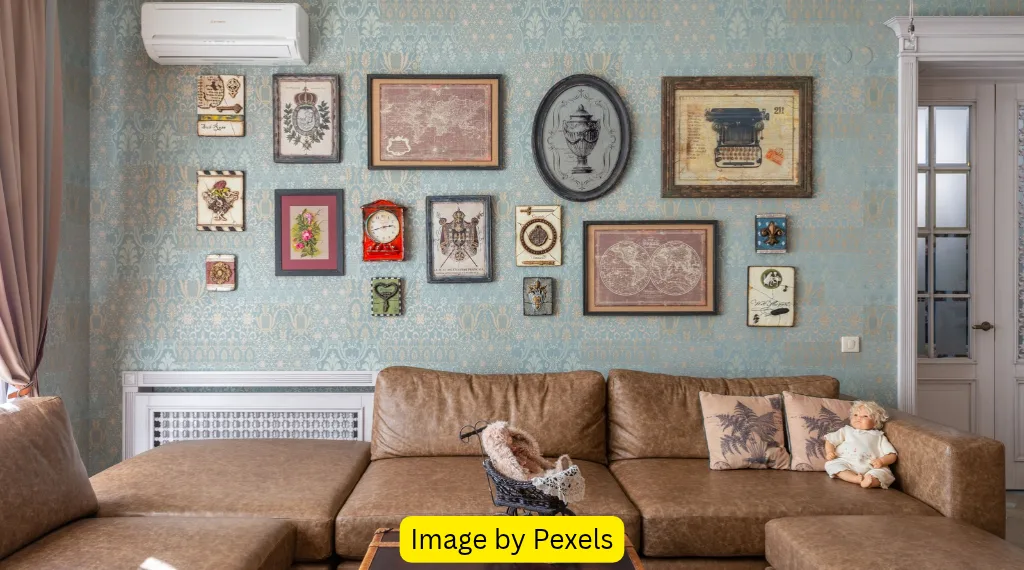
A gallery wall turns a collection of individual pictures into one coordinated display. It can include framed artwork, personal photographs, illustrations, typography, or small prints that share a color palette or visual theme. This approach works particularly well above a sofa, along a staircase, or on a large bedroom wall.
For a polished result, decide on the arrangement before hanging anything. Lay the frames on the floor and experiment with spacing until the composition feels balanced. A symmetrical layout creates a more formal appearance, while an asymmetrical arrangement feels relaxed and creative.
You do not need every frame to match. Combining different frame sizes can make the display more interesting, but repeating one or two finishes helps the collection feel connected. Leave enough empty wall around the arrangement so it remains a focal point rather than blending into surrounding furniture.
Use a Decorative Mirror to Reflect Light
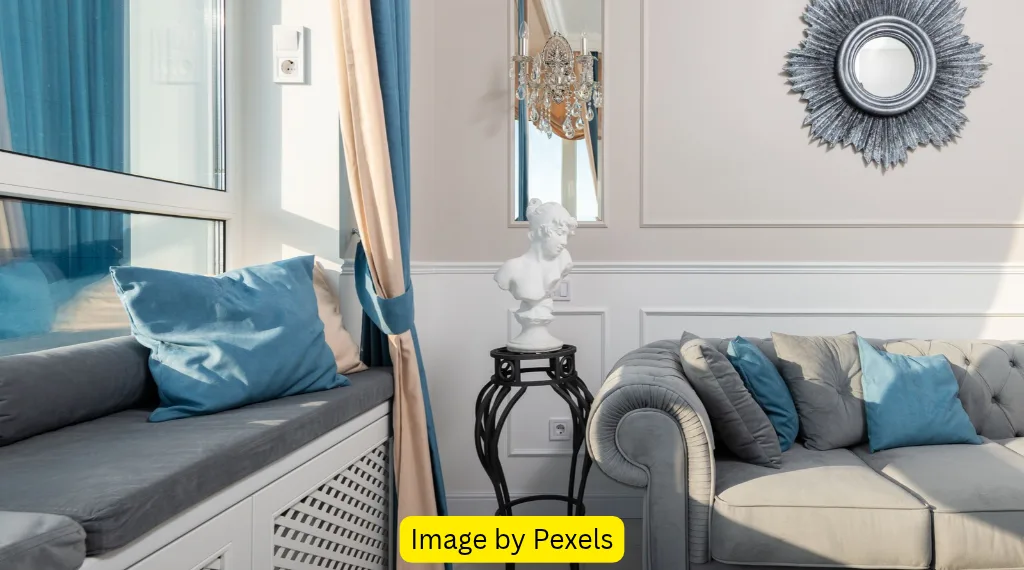
A decorative mirror adds both function and visual interest. It reflects light and views from across the room, which can make an interior feel brighter and more open. This is especially useful in narrow hallways, compact living rooms, and spaces that receive limited natural light.
Choose a mirror shape that complements the room’s existing lines. A round mirror can soften a space filled with rectangular furniture, while a tall vertical design can emphasize ceiling height. Large mirrors make a stronger statement, whereas smaller mirrors can be grouped into a decorative arrangement.
Think carefully about what the mirror will reflect before choosing its position. Placing it opposite a window can help distribute natural light, while positioning it across from an attractive feature can visually repeat that detail. Secure heavy mirrors with suitable wall fixings, especially when installing them above furniture or in busy walkways.
Install Floating Shelves for Display and Storage
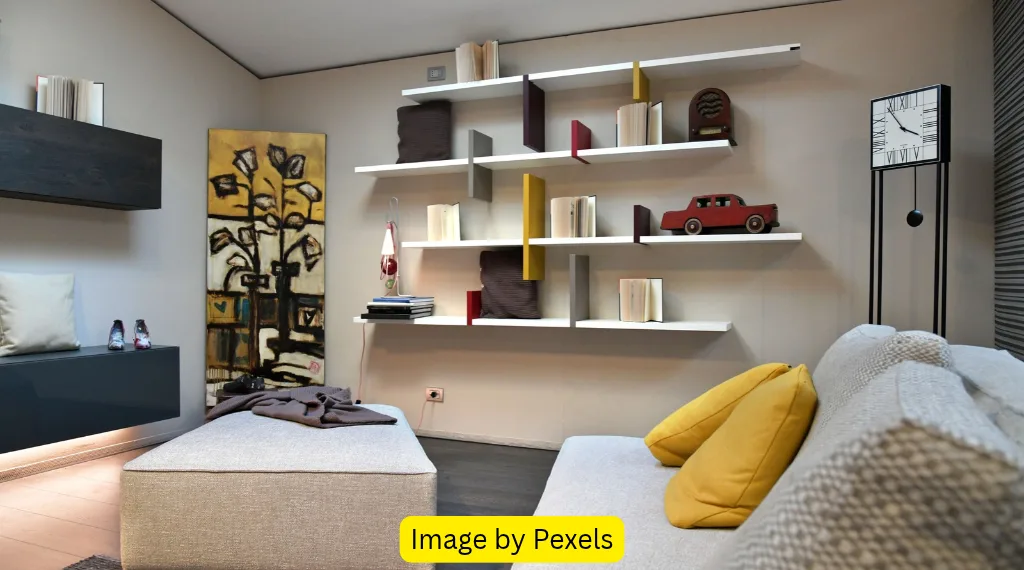
Floating shelves are a practical option when you want to decorate a wall without filling the floor with additional furniture. Their clean appearance suits contemporary, Scandinavian, transitional, and minimalist interiors. They can also provide useful display space in rooms where storage is limited.
Use shelves to arrange a thoughtful mix of books, small framed pictures, ceramics, plants, and decorative objects. Varying the height and shape of accessories creates a more natural display than lining up identical items. At the same time, leave some open space so the shelves do not look overloaded.
Material and finish matter. Natural wood introduces warmth, while white shelves blend into pale walls and black or metal finishes create contrast. Check the manufacturer’s weight limits and use fixings appropriate for the wall construction. If you plan to store heavy books or equipment, make sure the brackets and installation method are designed for that load.
Make a Statement with Oversized Artwork
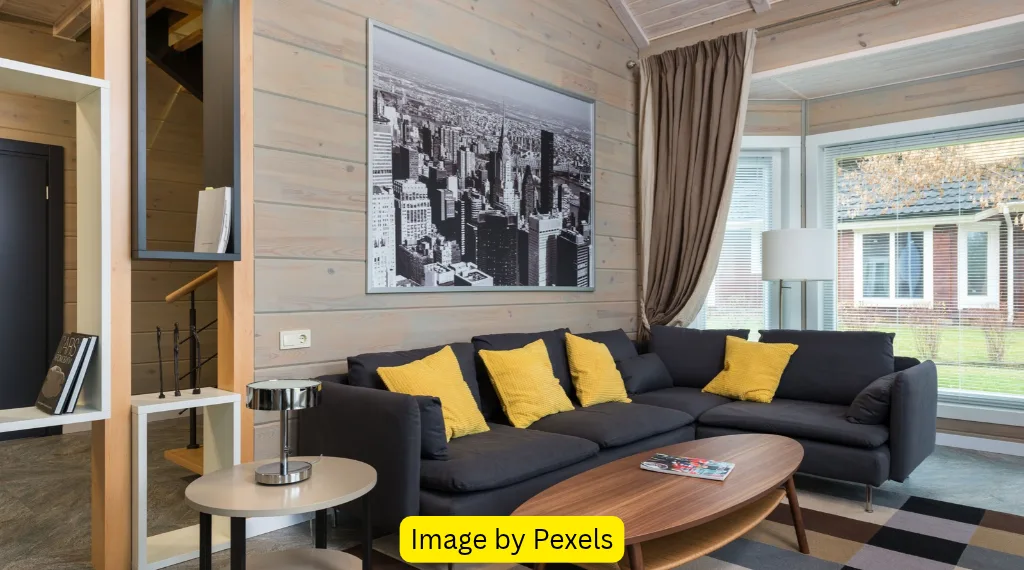
One large artwork can give a room a clear focal point without requiring a complicated arrangement. Oversized abstract paintings, landscape prints, photographic pieces, and minimalist compositions can all work well, depending on the style of the interior.
This approach is particularly effective above a sofa, bed, dining-room sideboard, or console table. Choose artwork that relates to the room’s existing colors, but do not feel that every shade needs to match exactly. A piece with one contrasting color can introduce energy into a neutral space.
Scale is important. Artwork that is too small may look disconnected from a large sofa or wall, while an excessively large piece can overwhelm a compact room. Before buying, measure the available wall area and consider the furniture beneath it. Use a paper template to test the placement before making holes.
Add Depth with Textured Wall Panels
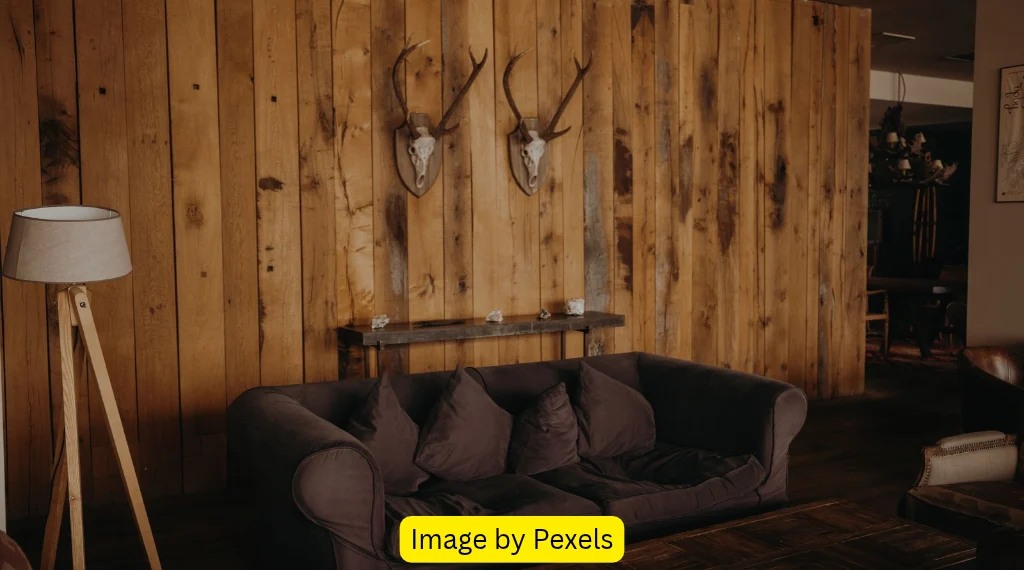
Textured wall panels create visual depth by adding raised patterns, grooves, or changes in surface material. They can turn a plain wall into an architectural feature, especially behind a sofa, television, dining area, or bed.
Options include fluted panels, three-dimensional geometric designs, decorative molding, and wood-look finishes. Vertical lines can draw the eye upward, while horizontal patterns can emphasize the width of a wall. Subtle textures tend to work well in calm interiors, whereas pronounced patterns create a stronger statement.
Consider the room’s existing finishes before selecting a panel design. A heavily patterned wall may compete with busy flooring, bold upholstery, or elaborate furniture. In a smaller room, using panels on one feature wall rather than every wall can create interest without making the space feel enclosed. Check product specifications, installation requirements, and suitability for the intended room before purchasing.
Bring Warmth with Wooden Wall Decor
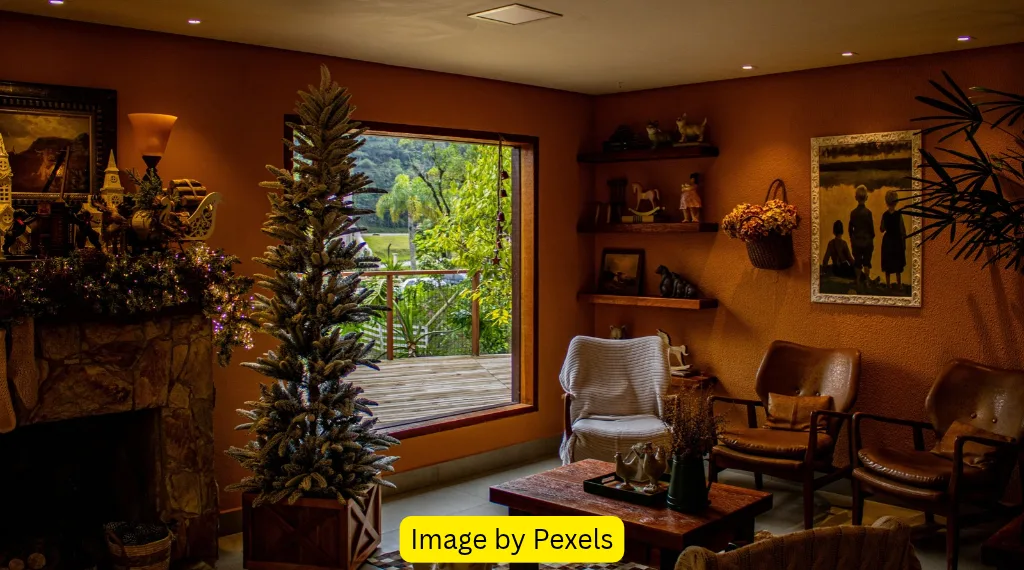
Wooden wall decor introduces natural texture and warmth into modern interiors. It can take the form of carved panels, geometric wood art, reclaimed timber, decorative slats, or simple framed pieces. The material works particularly well with neutral walls, linen fabrics, leather furniture, and indoor greenery.
Choose the finish according to the atmosphere you want. Pale oak and ash create a light, relaxed appearance, while walnut and darker stains add richness and contrast. Reclaimed or distressed wood can bring a more rustic character, but a clean, simple design may suit a contemporary room better.
You can use a wooden piece as a focal point or combine smaller elements with framed artwork. Avoid introducing too many competing wood tones in one area. If your furniture already has a strong grain or finish, choose wall decor that complements rather than imitates it.
Create a Modern Look with Metal Wall Sculptures
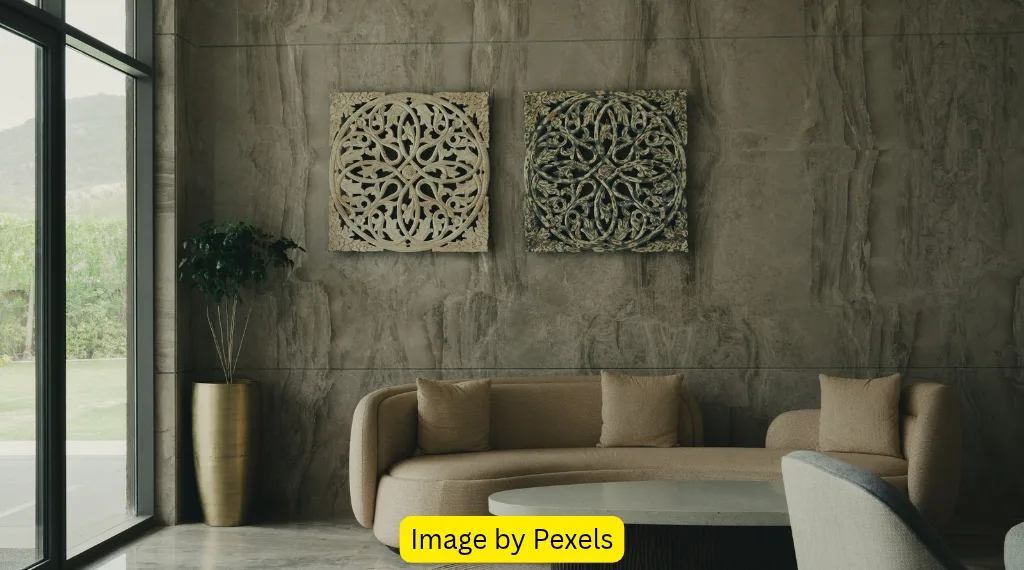
Metal wall sculptures offer a way to decorate a wall without relying on traditional framed art. They are available in abstract shapes, botanical forms, geometric arrangements, and nature-inspired designs. Their raised surfaces can create shadows and change appearance as the room’s lighting shifts.
Black metal pieces provide strong contrast against light walls. Brass, bronze, and brushed gold finishes can add warmth, while polished silver and chrome tend to create a cooler, more reflective look. Choose a finish that relates to nearby hardware, lighting, or furniture details for a more coordinated interior.
A single sculpture can work above a console or sofa, while a group of smaller pieces may suit a wider wall. Pay attention to depth and projection, particularly in narrow hallways or walkways. Use suitable anchors for the sculpture’s weight and make sure it is securely fixed.
Introduce Color and Pattern with Wallpaper
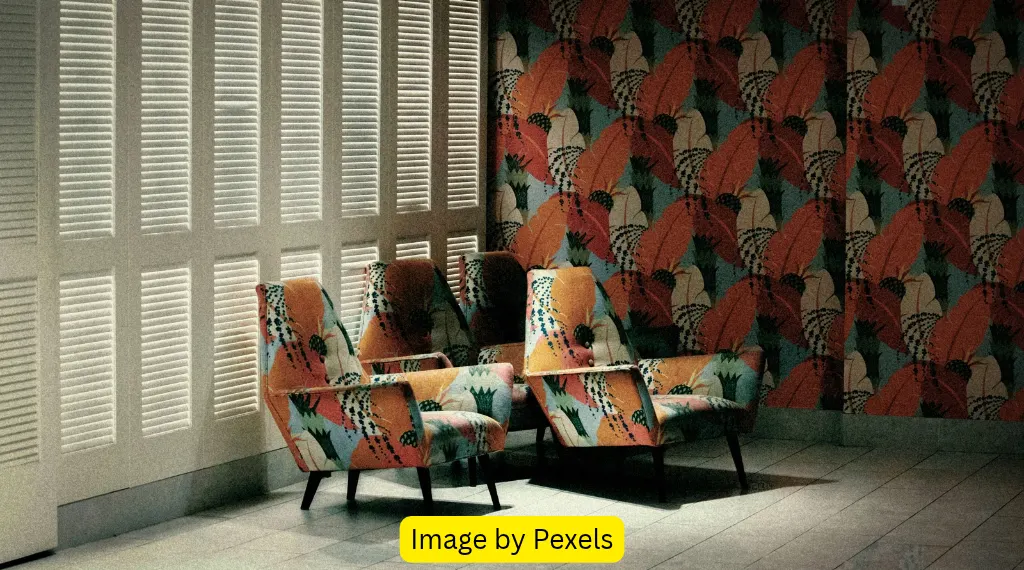
Wallpaper can transform a plain wall with color, pattern, and texture. Modern designs range from understated linen effects and soft botanical prints to bold geometric patterns and large-scale murals. It is a useful option when paint alone does not provide enough visual interest.
A feature wall is often a sensible starting point. Consider the wall behind a bed, the dining area, or a section of the living room that needs definition. If the pattern is bold, keep nearby furniture and accessories relatively simple. Subtle wallpaper can cover a larger area without dominating the room.
Before choosing a design, request a sample and view it in the room at different times of day. Lighting can change how colors and patterns appear. Check whether the wallpaper is suitable for the room’s conditions, and follow the manufacturer’s preparation and installation instructions.
Display Canvas Prints for an Easy Art Update
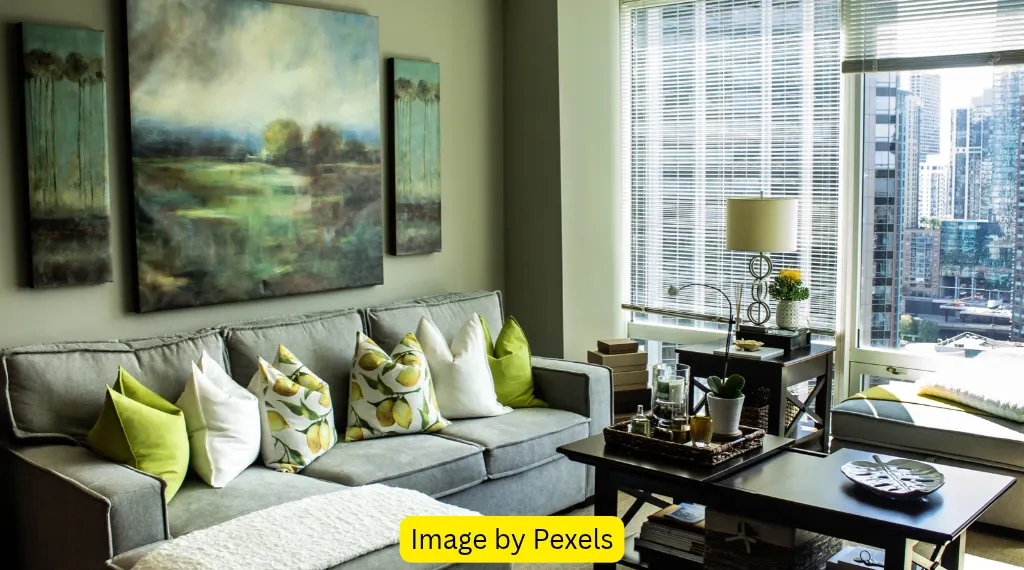
Canvas prints offer a straightforward way to introduce artwork without the reflective surface of glass. They are available in a wide range of subjects, including abstract designs, landscapes, botanical illustrations, architectural photography, and minimalist compositions.
A single canvas can create a simple focal point, while a coordinated set can fill a wider wall. When choosing multiple prints, look for a shared color palette or subject rather than selecting pieces that are identical. This creates visual consistency while allowing each image to contribute something different.
Canvas prints can work in living rooms, bedrooms, dining areas, and home offices. Consider the furniture and wall dimensions before selecting the size. A small print may disappear above a large sofa, while an oversized image can make a narrow wall feel crowded. Keep the artwork at a comfortable viewing height and use secure hanging hardware.
Soften a Room with a Wall Tapestry
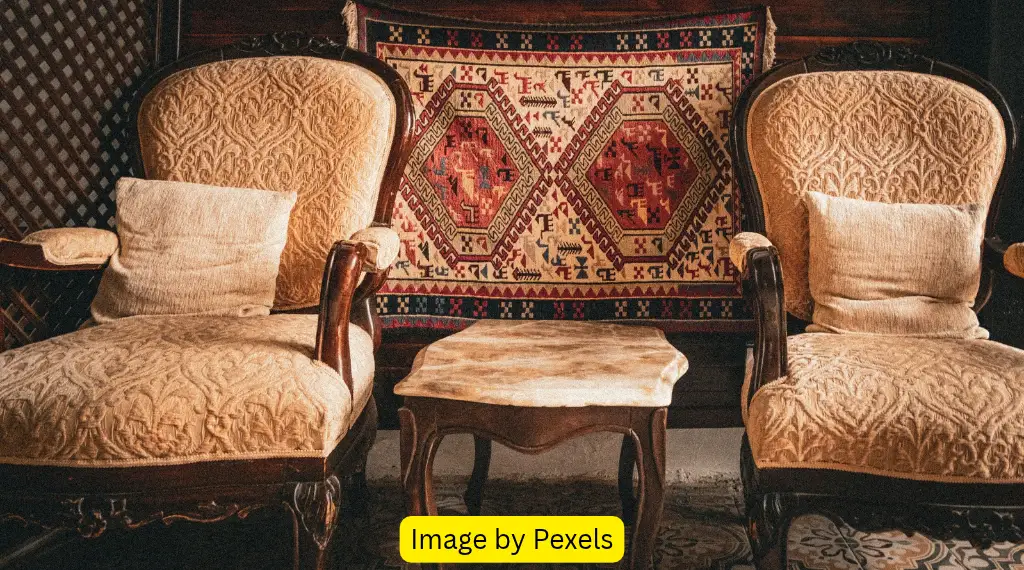
A wall tapestry introduces fabric texture that framed pictures and hard decorative materials cannot provide. Woven designs, embroidered pieces, and contemporary textile art can make a room feel softer and more layered. They are especially suitable for bedrooms, reading corners, and relaxed living spaces.
Choose a tapestry that complements the room’s fabrics and furniture. Neutral woven pieces work well with natural wood and linen, while colorful patterns can become a focal point in a simple interior. The scale should relate to the wall and furniture beneath it; a very small textile may look lost above a large bed.
Use a hanging method designed for the tapestry’s weight and fabric. A simple rod, discreet clips, or a suitable textile hanging system can help keep the material straight. Avoid placing delicate fabrics in direct sunlight for long periods, as some colors may fade.
Add Atmosphere with Decorative Wall Lighting
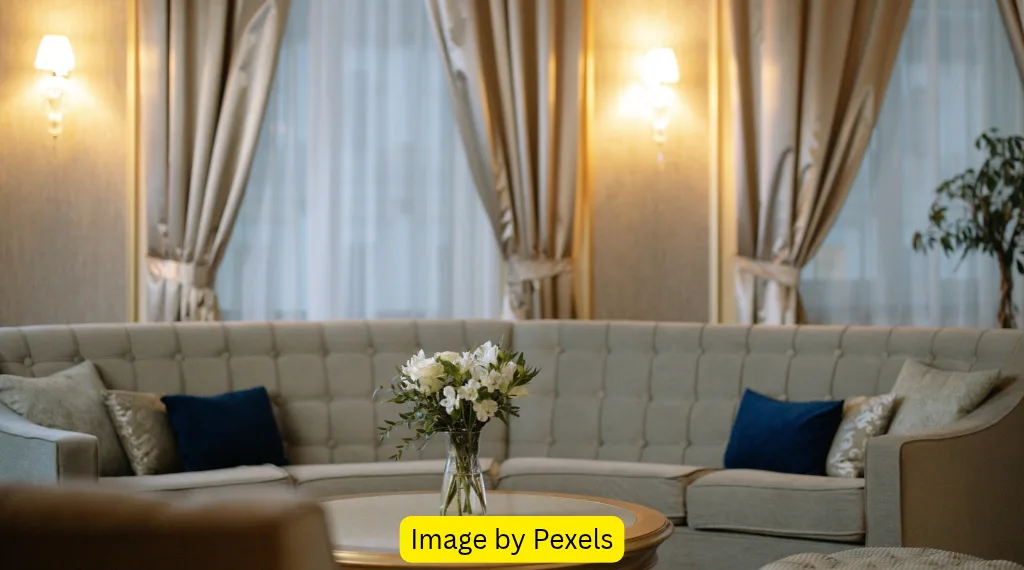
Wall lighting can make a decorative display more noticeable while adding another layer of illumination to the room. Wall sconces, picture lights, and carefully positioned LED lighting can highlight artwork, textured surfaces, architectural details, or a hallway feature.
The fixture should suit the wall and the purpose of the lighting. Picture lights are designed to illuminate artwork, while sconces can provide ambient or accent lighting. Adjustable fixtures offer more control over where the light falls. Choose a color temperature that feels comfortable with the room’s existing lighting rather than mixing very different light tones without a plan.
Think about wiring and installation before buying. Some fixtures require professional electrical work, while plug-in or battery-operated options may be easier to install. Follow product instructions and local electrical requirements, especially in areas where cables could become a trip hazard.
Turn an Empty Wall into a Decorative Niche
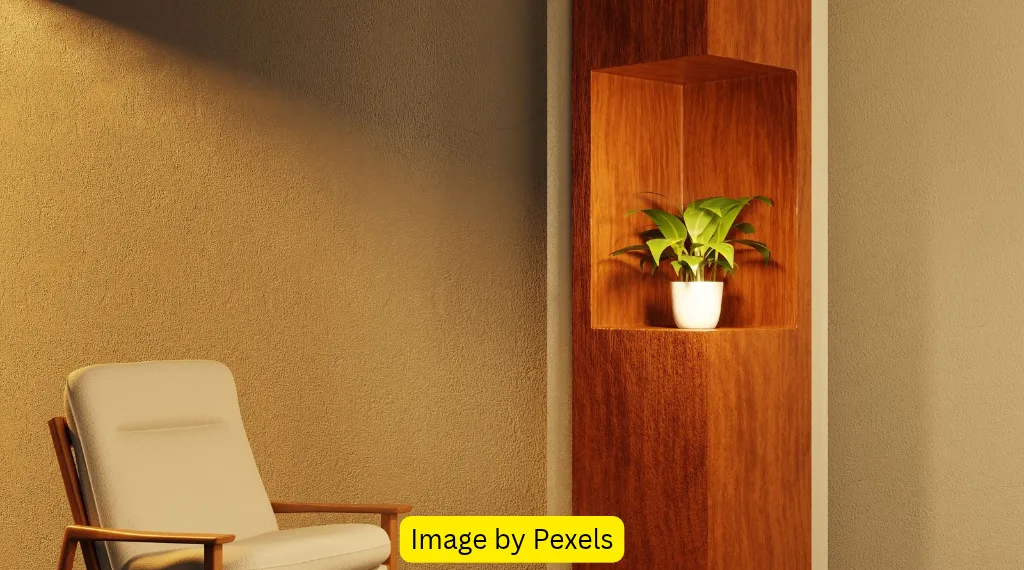
A wall niche creates a built-in display area that feels integrated with the architecture of a room. It can be used to showcase ceramics, small sculptures, books, framed photographs, or a carefully selected collection of accessories.
Recessed niches are often planned during construction or renovation because they involve the wall structure. However, a similar visual effect can sometimes be achieved with a shallow wall-mounted display unit. Consider the depth of the objects you want to display and make sure the design does not interfere with wiring, plumbing, or structural elements.
Keep the arrangement simple. A few well-chosen objects usually look more intentional than a shelf filled with unrelated decorations. Lighting inside or above a niche can draw attention to its contents, but it should be planned safely and with the appropriate fixtures.
Arrange Decorative Plates as Wall Art
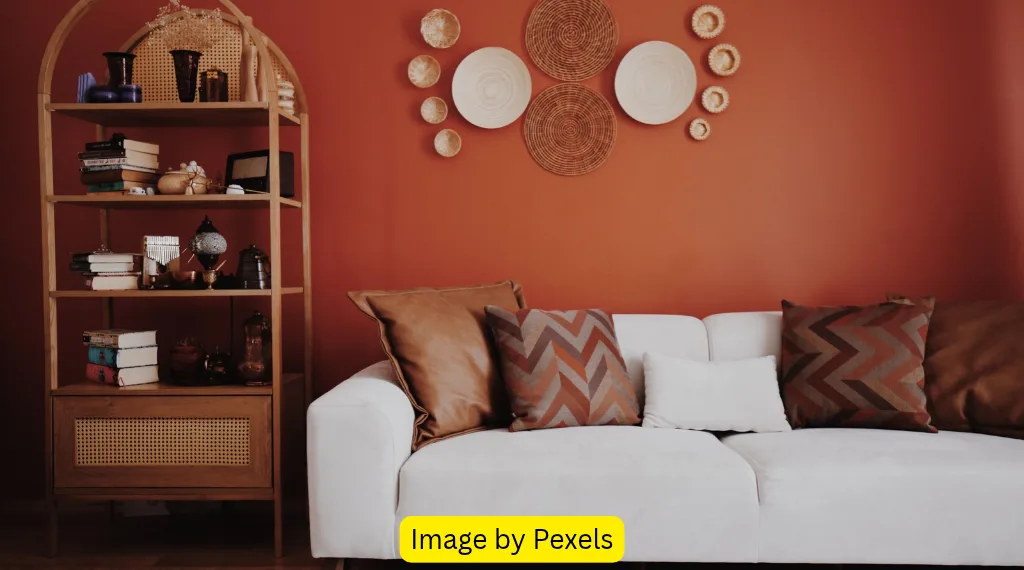
Decorative plates can create an unexpected display in dining rooms, kitchens, and breakfast areas. Their shapes, colors, patterns, and glazed finishes bring variety to a wall, making them an alternative to conventional framed artwork.
You can arrange plates in a symmetrical pattern for a formal appearance or create a more relaxed composition with different sizes. A shared color palette helps connect pieces from different collections. For a restrained look, use plates with similar tones and simple designs. For a more expressive display, combine patterns while keeping the overall arrangement balanced.
Use plate hangers or mounting systems specifically designed for wall display. Do not rely on ordinary adhesive if the plates are heavy or fragile. Before installation, lay out the arrangement on a flat surface and measure the spacing so the final display feels deliberate.
Personalize the Space with Typography Art
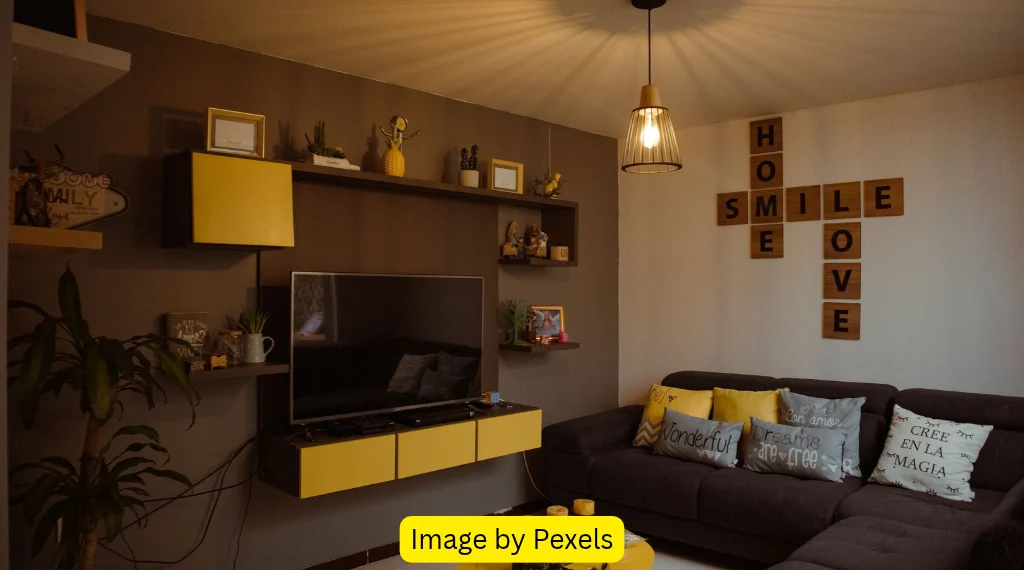
Typography art uses letters, words, and phrases as visual elements. It can be a simple way to add a personal detail to a home office, reading area, bedroom, or casual living space. Designs range from minimalist lettering and abstract typographic compositions to meaningful quotations and custom family names.
Choose the wording carefully. A short phrase or a single word often looks more refined than a wall filled with large blocks of text. Consider the font, spacing, and contrast between the lettering and background. Black typography on a light background creates a crisp appearance, while muted tones can feel softer.
Typography should complement the room rather than compete with it. In a workspace, a simple design can add character without becoming distracting. In a living area, pair it with other artwork or use one larger piece as a focal point.
Use Fabric Wall Panels for a Softer Finish
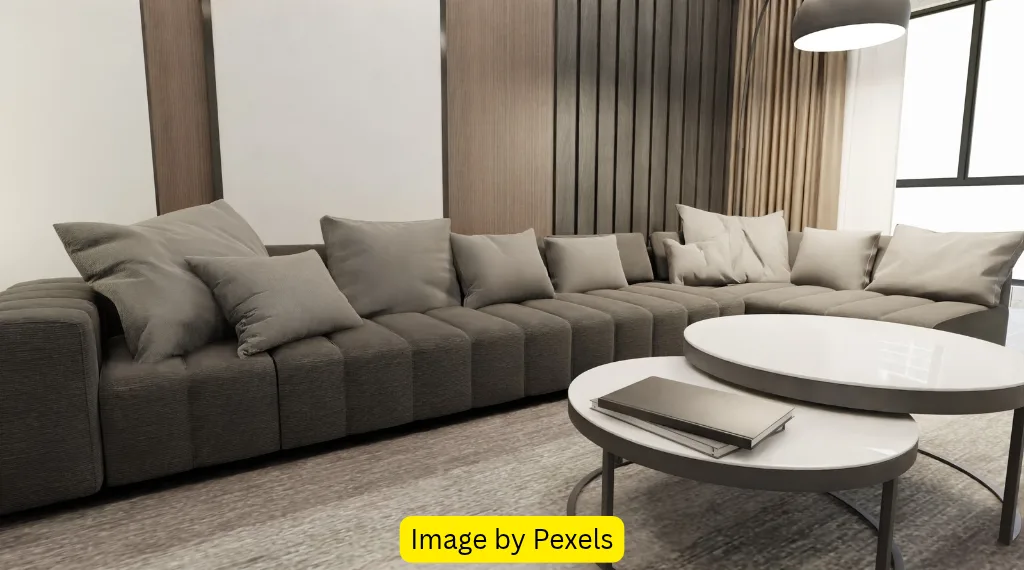
Fabric wall panels add softness and texture to a room. They are often used behind beds, in media rooms, or in spaces where a harder wall finish would feel too stark. Depending on the material and construction, some panels may also help reduce sound reflections, although their acoustic performance varies.
Choose fabric that suits the room’s use. Durable, easy-care upholstery may be more practical in a busy household, while a delicate textile may be better suited to a bedroom with limited contact. Neutral panels create a calm background, while deeper colors can make a feature wall feel more dramatic.
Plan the panel layout before installation. Repeated shapes and consistent spacing create a tailored appearance, while larger panels can make a wall feel more continuous. Check cleaning instructions and consider how the fabric will handle dust, sunlight, and everyday use.
Make a Small Room Work with Wall-Mounted Storage
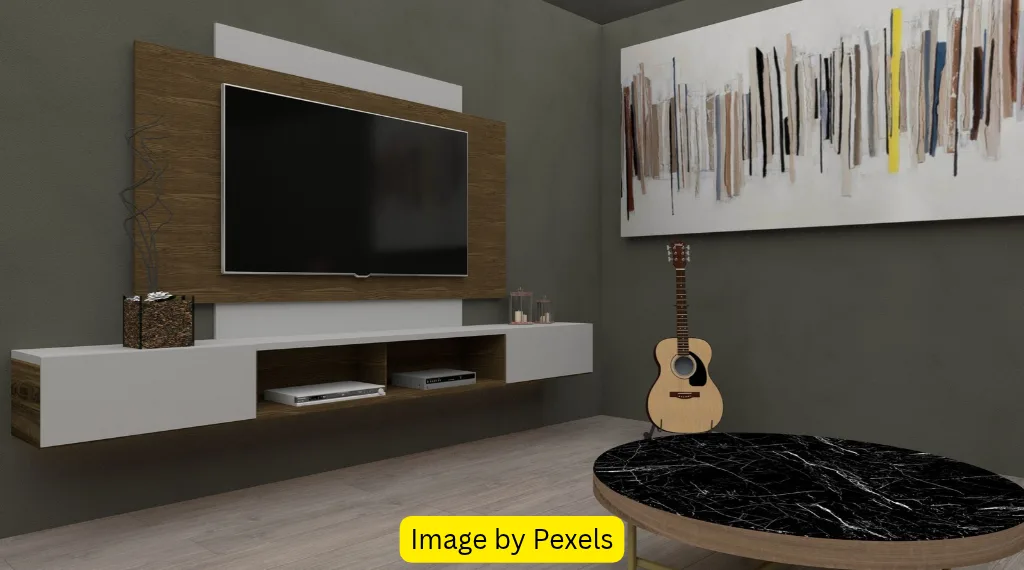
Wall-mounted storage can make a small room more functional while giving an empty wall a useful purpose. Shallow cabinets, modular shelves, wall organizers, and compact display units can hold everyday items without taking up as much floor space as freestanding furniture.
The key is to balance storage with visual simplicity. Closed cabinets can hide items that would otherwise create clutter, while a few open shelves can display books or decorative accessories. Choose a finish that relates to the room’s furniture or wall color so the storage feels integrated.
Measure carefully before installation. Check door swings, nearby switches, sockets, and walking routes. Heavy cabinets need secure fixings appropriate for the wall construction, and storage should never be overloaded beyond the manufacturer’s stated capacity. In homes with children, consider suitable anti-tip and safety measures.
Create a Natural Look with Botanical Wall Art
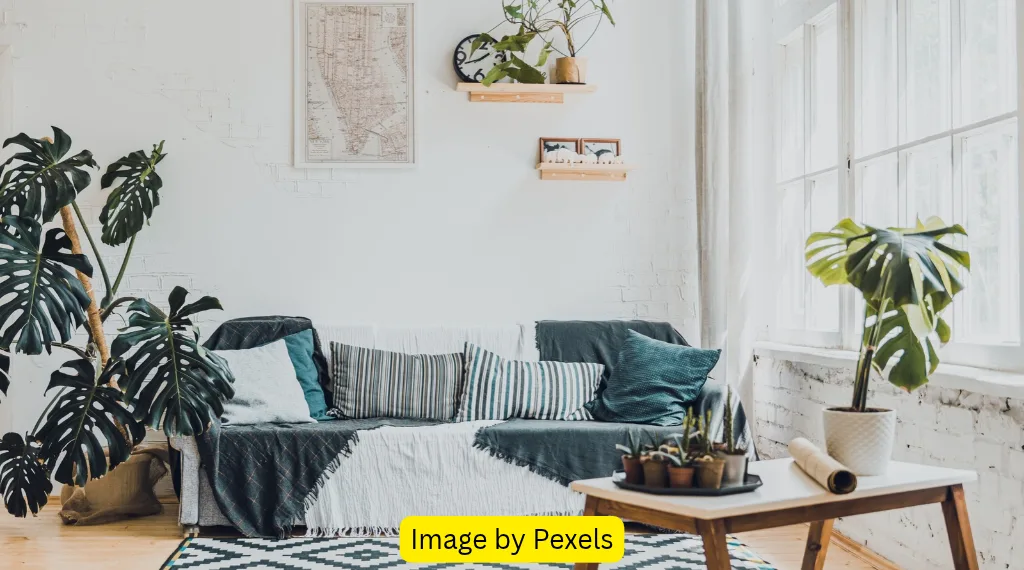
Botanical wall art introduces natural shapes and colors without requiring a collection of living plants. Leaf illustrations, floral prints, pressed-botanical designs, and nature photography can bring a calm, organic quality to a room.
This style works well with wood furniture, woven baskets, natural fabrics, and soft neutral colors. You can use one large botanical print as a focal point or arrange several smaller pieces in a coordinated series. Green tones can connect the artwork to indoor plants elsewhere in the room.
Think about the style of the illustrations. Detailed vintage botanical prints suit traditional or eclectic spaces, while simplified leaf shapes and abstract plant forms can feel more contemporary. Use consistent frames if you want the arrangement to look cohesive, or mix finishes carefully for a more collected appearance.
Add Architectural Character with Decorative Molding
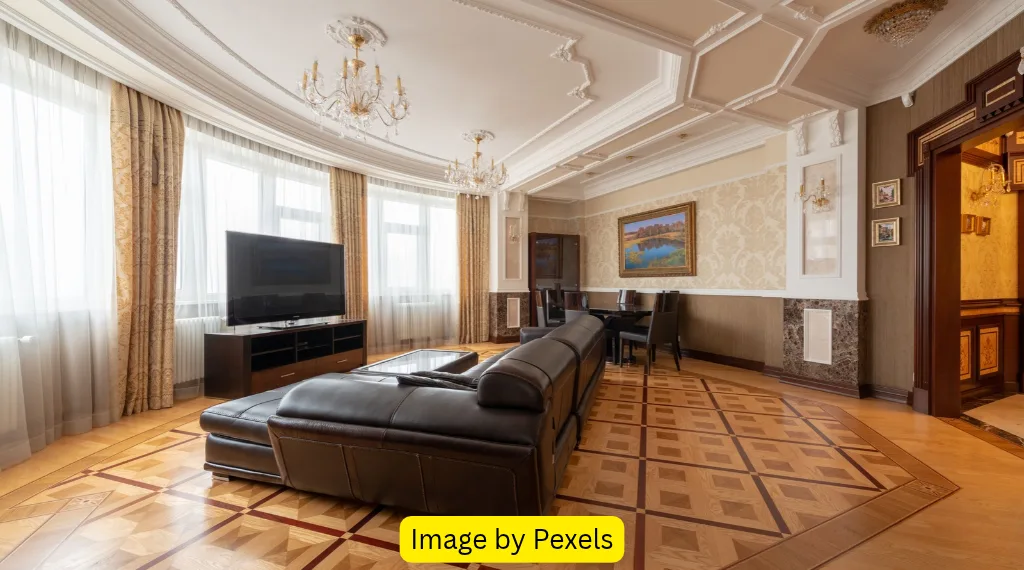
Decorative molding gives a wall structure and detail without requiring a large artwork collection. Simple rectangular panels, narrow trim, and clean geometric layouts can add architectural interest to living rooms, dining rooms, and bedrooms.
For a modern look, choose restrained profiles and consistent spacing. Painting the molding the same color as the wall creates a subtle effect, while a contrasting finish makes the pattern more noticeable. The design should relate to the room’s proportions: large wall panels may suit a spacious room, while smaller, simpler sections can work better in compact spaces.
Plan the layout around doors, windows, furniture, and existing architectural details. Measure carefully and test the arrangement with masking tape before installation. If the project involves cutting, attaching, or painting trim, use suitable materials and preparation methods for the wall surface.
Highlight a Favorite Memory with a Photo Display
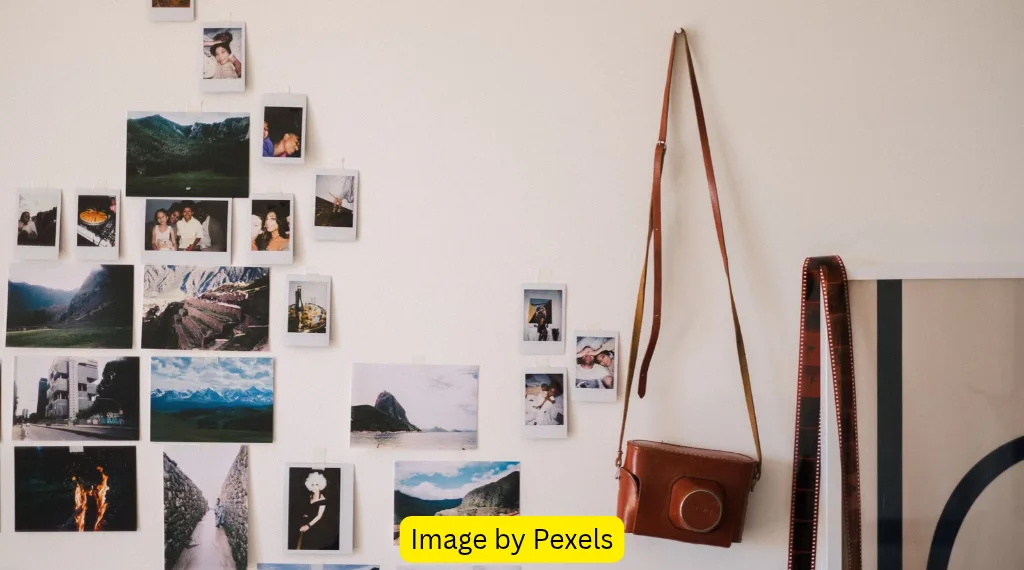
A photo display makes a home feel personal by bringing meaningful memories into everyday spaces. Family photographs, travel pictures, and special moments can be arranged in frames that suit the rest of the interior.
To avoid a cluttered appearance, decide on a visual theme. You might use black-and-white photographs, a consistent frame finish, or images from a particular trip. A simple row of frames creates a clean look, while a gallery-style arrangement feels more informal.
Hallways and staircases are useful locations because they often contain long stretches of unused wall. Make sure frames are securely attached and do not project into narrow walking routes. If you prefer to update the display regularly, use frames that make changing photographs easy without requiring new wall fixings.
Bring Dimension with Three-Dimensional Wall Art
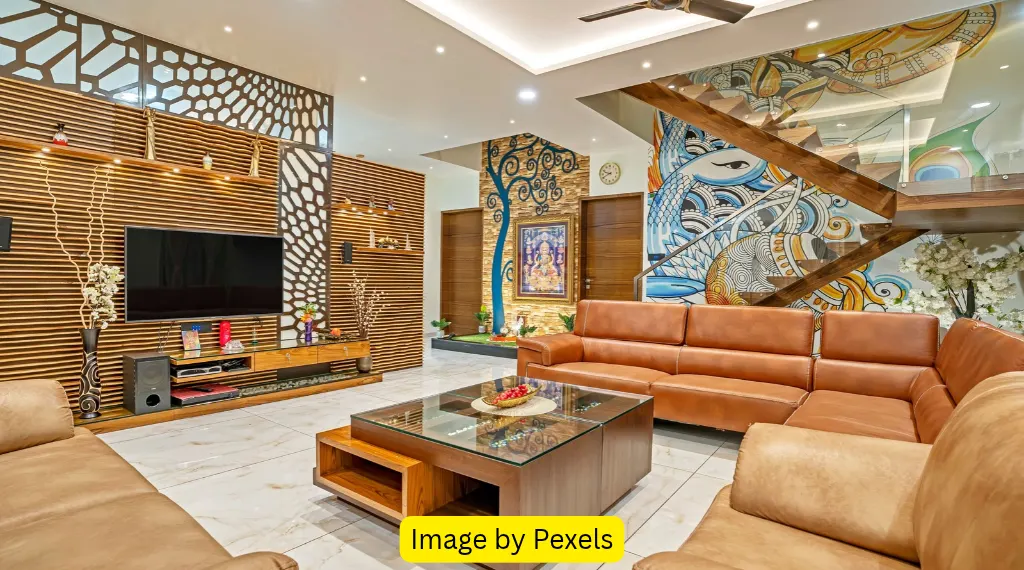
Three-dimensional wall art adds depth through raised forms, layered materials, and sculptural shapes. Unlike a flat print, it changes as light moves across the surface, creating shadows and highlights that give the wall more visual movement.
Materials may include wood, metal, ceramic, plaster, or mixed media. Choose a piece that works with the room’s existing finishes. A simple sculptural design can complement minimalist furniture, while a more intricate arrangement may suit an eclectic interior.
Consider the viewing distance and the amount the piece projects from the wall. A deep sculpture may be unsuitable for a narrow hallway or a tight passage. Make sure the mounting system can support its weight and that the piece is positioned where it will not be bumped or damaged.
Combine Different Materials in a Mixed-Media Display
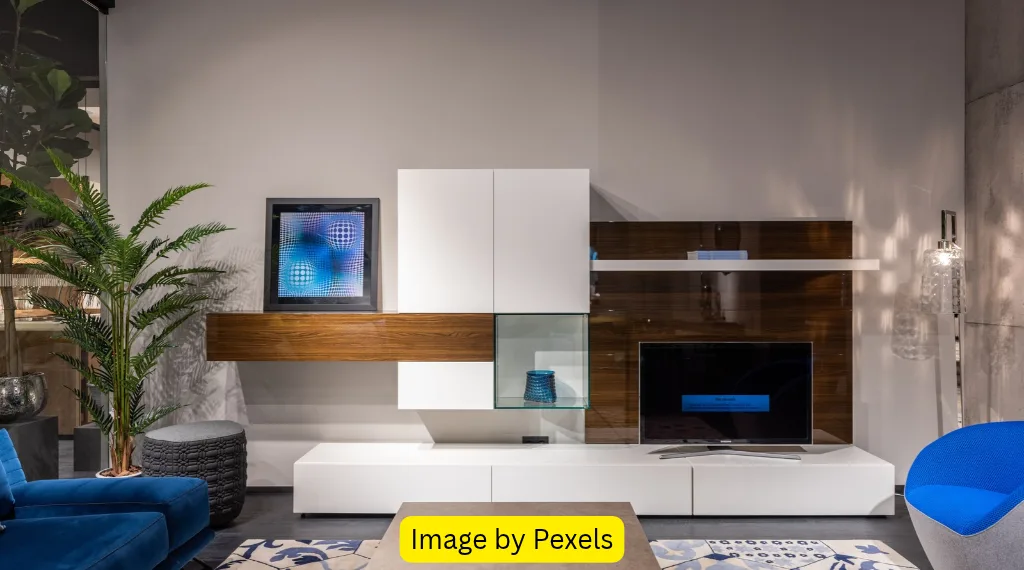
A mixed-media display combines different decorative elements to create a wall with more variety and personality. You might bring together framed prints, a small mirror, a wooden object, metal accents, and a textile piece in one coordinated arrangement.
The challenge is to make the combination feel intentional. Start with one dominant element, such as a large artwork or mirror, and build around it with smaller pieces. Repeat a color, material, or shape to connect the different objects. For example, black frames and dark metal details can provide continuity even when the artwork and textures vary.
Avoid filling every available space. Leave breathing room between objects and consider the overall outline of the arrangement. A mixed-media display should feel like a composition, not a collection of items placed wherever there is an empty spot.
How to Choose Wall Decor for Different Rooms
The same wall decoration does not necessarily work equally well in every room. A large mirror may be useful in a narrow entryway, while a soft textile display may be more appropriate in a bedroom. Consider the room’s purpose, lighting, furniture, and available wall space before choosing a design.
| Room | Wall decor ideas to consider | Practical tip |
|---|---|---|
| Living room | Oversized art, gallery walls, mirrors, textured panels | Relate the display’s width to the sofa or main furniture |
| Bedroom | Fabric panels, botanical prints, soft artwork, mirrors | Choose a calm arrangement that does not overwhelm the bed area |
| Dining room | Decorative plates, artwork, mirrors, wall molding | Position decor so it does not interfere with chairs or movement |
| Kitchen | Small framed prints, practical shelves, washable finishes | Avoid materials that are unsuitable for heat, moisture, or grease |
| Entryway | Mirrors, hooks, narrow shelves, small artwork | Keep walkways clear and use secure wall fixings |
| Home office | Typography art, simple prints, shelves, pinboards | Keep the display organized and avoid distracting visual clutter |
| Hallway | Photo displays, narrow mirrors, wall sconces | Choose shallow pieces that do not project into the walking path |
How to Arrange Wall Decor So It Looks Balanced
Even attractive pieces can look out of place if they are hung without considering scale and spacing. Before installing anything, look at the entire wall and the furniture around it.
Consider the furniture below the display. Artwork above a sofa, bed, or console should relate visually to the furniture’s width. A small picture above a large sofa can feel disconnected, while a very wide display may overwhelm a narrow piece of furniture.
Choose a comfortable viewing height. Artwork is generally easiest to appreciate when its center is close to average eye level. However, furniture, ceiling height, and the arrangement itself may affect the best position. A display above a sofa or bed should be placed with enough clearance to feel connected without appearing cramped.
Plan spacing before drilling. Lay the pieces out on the floor or make paper templates. This lets you test the arrangement and adjust the gaps without repeatedly making holes in the wall.
Use a consistent visual connection. Repeated frame colors, materials, shapes, or accent colors help different pieces work together. You do not need everything to match, but a shared detail can make the arrangement feel more cohesive.
Leave some empty space. A wall does not need to be covered from edge to edge. Empty space gives decorative pieces room to stand out and helps the room feel less crowded.
Common Wall Decorating Mistakes to Avoid
A successful wall display is not simply a matter of adding more decoration. A few common mistakes can make a room feel less balanced, even when the individual pieces are attractive.
- Choosing artwork that is too small: A tiny print can disappear on a large wall. Measure the space and consider the furniture beneath it before selecting a size.
- Hanging everything at different heights: Random placement can make a collection feel disorganized. Use a consistent alignment or plan an intentional overall shape.
- Mixing too many unrelated styles: Combining every color, material, and frame finish can create visual competition. Choose a small number of connecting elements.
- Ignoring the room’s function: Delicate textiles may not be practical in a high-traffic area, and deep sculptures can obstruct narrow walkways.
- Overloading shelves: Too many accessories make shelves look cluttered and can create safety concerns if the load exceeds their capacity.
- Forgetting lighting: A dark corner may make artwork difficult to see. Consider how natural and artificial light will affect the display.
- Skipping installation checks: Heavy mirrors, shelves, and sculptures need appropriate fixings. Check wall construction and product instructions before installation.
Frequently Asked Questions
What are the most popular modern wall decor ideas?
Popular choices include gallery walls, oversized artwork, decorative mirrors, floating shelves, textured panels, botanical prints, and sculptural wall pieces. The right option depends on the room’s size, style, and practical needs.
How can I decorate a large empty wall?
A large empty wall can accommodate oversized artwork, a gallery arrangement, decorative molding, textured panels, or a combination of shelves and framed prints. Start by considering the furniture below the wall and choose a display that feels proportional to it.
How do I decorate walls in a small room?
Use decor that adds interest without taking up valuable floor space. Mirrors can reflect light, floating shelves can provide display space, and a carefully selected artwork can create a focal point. Avoid filling every wall with small objects, as too many details can make the room feel busy.
Should wall decor match the furniture?
Wall decor does not need to match furniture exactly. It should relate to the room through color, texture, shape, or style. A contrasting artwork can look effective when it has at least one visual connection to the surrounding interior.
How high should artwork be hung?
Artwork is often easiest to view when its center is near average eye level. The ideal position can change when a piece is above a sofa, bed, console, or other furniture. Consider the entire arrangement rather than measuring each frame independently.
How can I decorate a wall without spending much money?
Consider rearranging artwork you already own, printing photographs, creating a simple gallery wall, displaying decorative plates, or using a few well-chosen accessories on existing shelves. Paint and removable wallpaper may also provide a noticeable update, depending on the wall and product.
Are floating shelves a good wall decor option?
Yes. Floating shelves combine display space with practical storage and can work in living rooms, bedrooms, home offices, and kitchens. Choose a suitable shelf depth and make sure the brackets and wall fixings can safely support the intended load.
How do I make a gallery wall look cohesive?
Use a shared visual element, such as a consistent frame finish, a limited color palette, or a common subject. Plan the layout before hanging the frames and leave balanced spacing between pieces.
Final Thoughts
Modern wall decor can change the character of a room without requiring a complete renovation. A gallery wall can make a space feel personal, a decorative mirror can help reflect light, and textured panels or wooden accents can add depth to a plain interior. Practical options such as floating shelves and wall-mounted storage can also make better use of available space.
The best results come from choosing decorations that suit the room rather than following every trend. Consider the size of the wall, the furniture around it, the lighting, and the materials already present in the space. Start with one feature that you genuinely like, arrange it carefully, and add other elements only when they improve the overall balance. A thoughtful display will feel more inviting and intentional than a wall filled simply for the sake of decoration.
